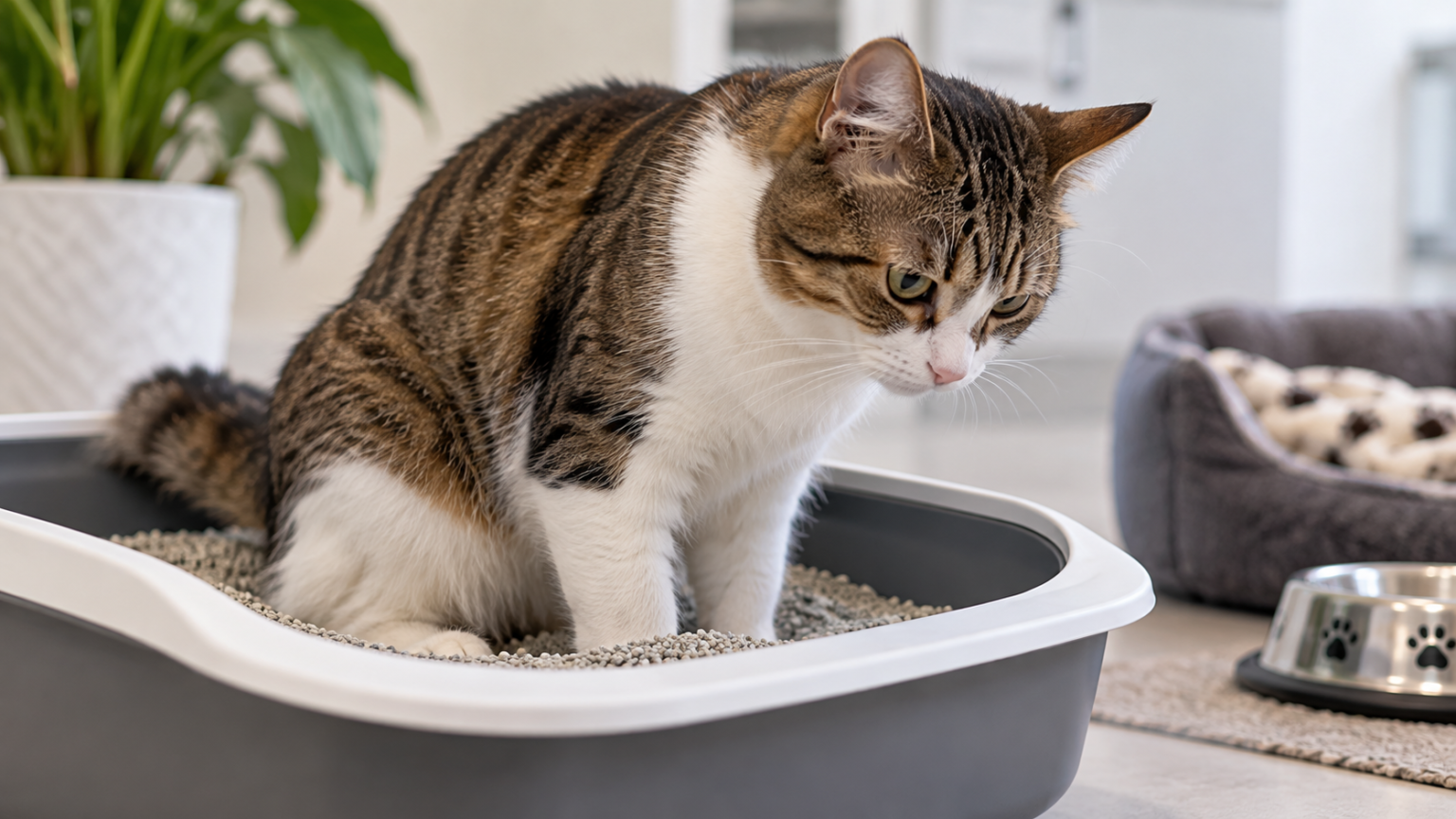
Cat constipation means passing stool infrequently, with difficulty or not at all. A constipated cat may strain in the litter tray, produce small hard pieces, vocalise or stop eating. However, repeated straining can also mean a urinary blockage, particularly in a male cat, and that can become life-threatening quickly. For cat constipation, Keysborough owners should […]
Read More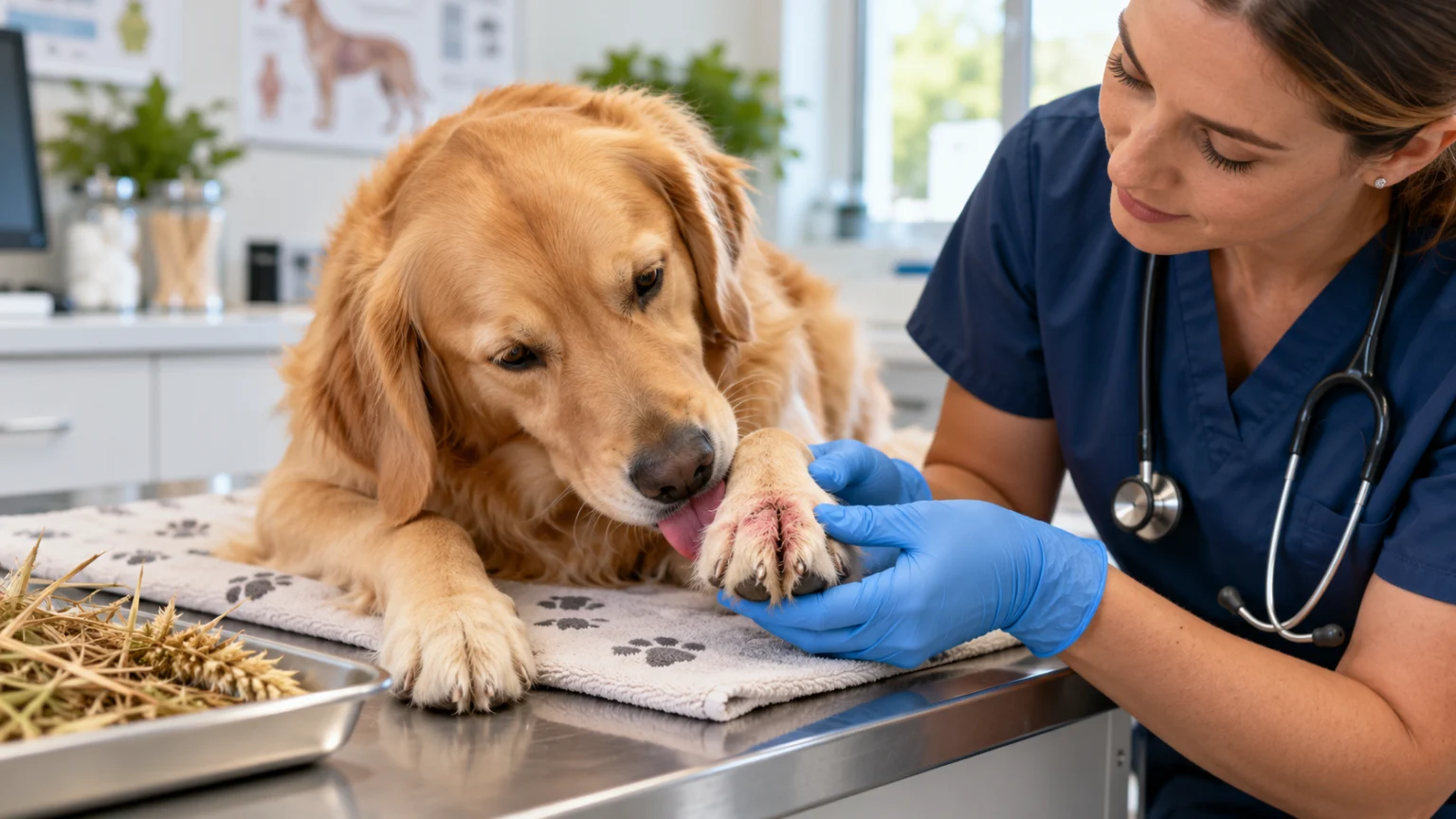
A dog licking one paw suddenly after a walk may have a grass seed, splinter, cut, nail injury or sting. A dog persistently licking several paws may be itchy from an allergy, parasites or a skin infection. The pattern is useful, but it cannot identify the cause with certainty. For a dog licking paws, Melbourne […]
Read More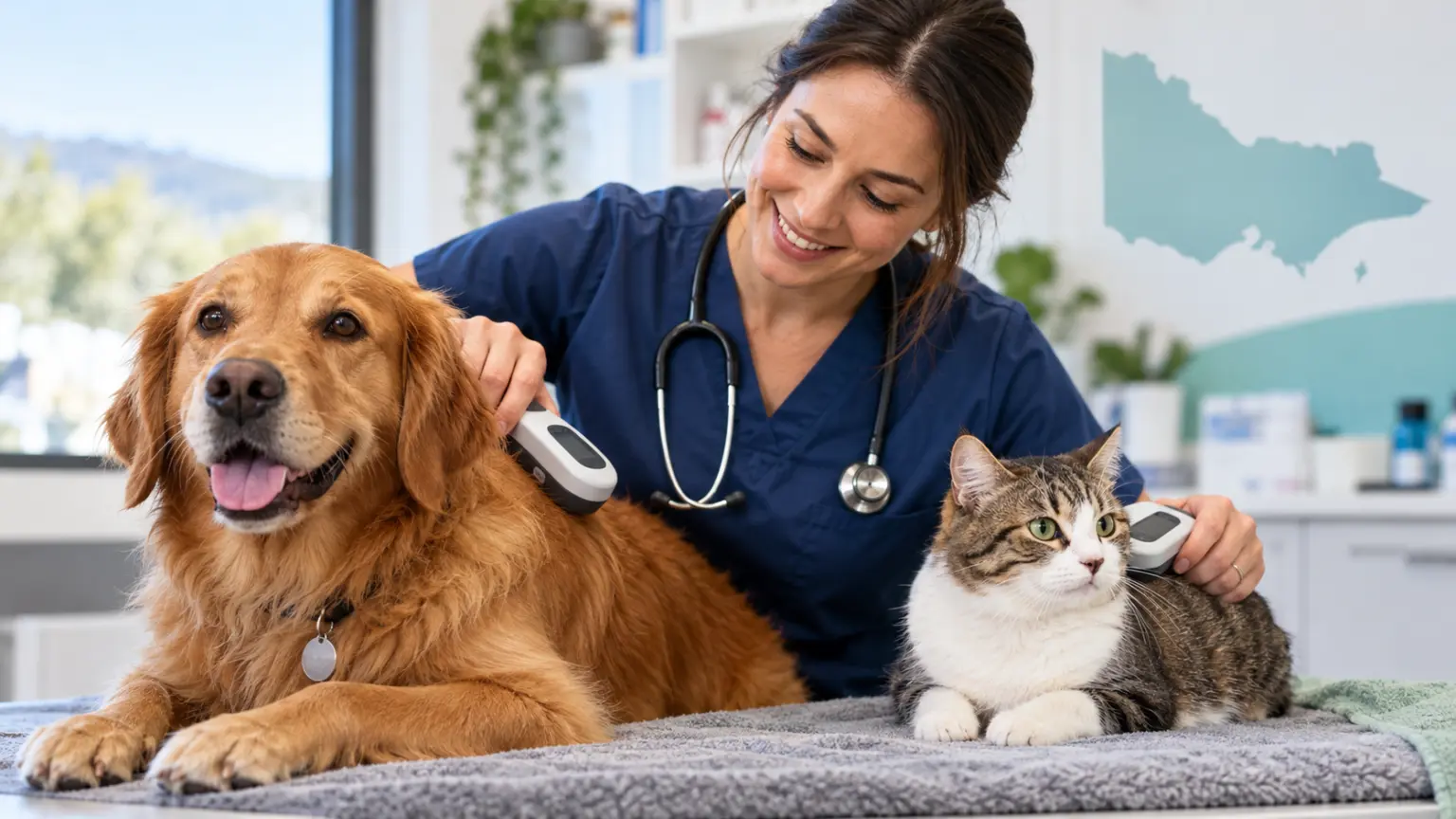
A microchip gives a dog or cat a permanent identification number, but the chip only helps reunite you when the registry details are accurate. It is not a GPS tracker; it does not replace council registration, and changing your address with the council does not necessarily update the separate microchip registry. At Keysborough Veterinary Practice, […]
Read More
If your cat is losing hair in a clear patch, the fur has usually been damaged, shed because the skin is inflamed, or removed through licking. The pattern gives us clues, but it does not reliably identify the cause on its own. Fleas, allergy, ringworm, mites, pain, infection and overgrooming can look surprisingly similar. We […]
Read More
Rainwater does not usually infect a dog’s skin by itself. The more common problem is what happens after a dog stays wet: the skin becomes warm and damp, rubbing increases, and bacteria or yeast already present on the skin can multiply. Mud, allergies, parasites, small scratches and dense coats can add to the irritation. At […]
Read More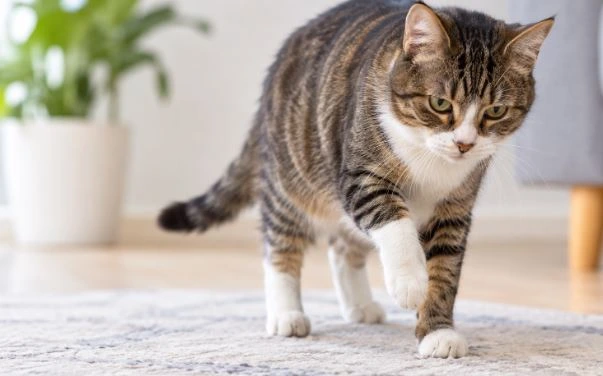
A cat limping is not always dramatic. Some cats hold a paw up; others simply hesitate before jumping, use the stairs differently or spend more time asleep. Because cats tend to hide pain, a small change in movement can be the most useful clue an owner sees. We take limping seriously without assuming the worst. […]
Read More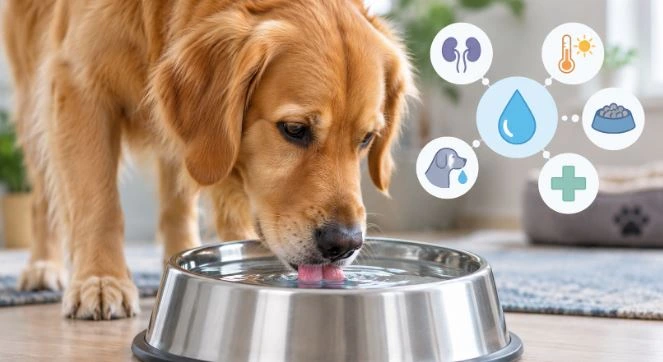
When an owner tells us, “My dog is drinking more water,” our first question is usually whether this is a true change. A warm afternoon, a longer walk or a meal of dry food can make a dog temporarily thirstier. A water bowl that suddenly needs constant refilling, especially when paired with more urination, is […]
Read More
A lower-stress vet visit begins before your dog enters the clinic. Tell the team what happened at previous appointments, identify the triggers you know and ask how they want you to arrive. The plan may involve a quieter waiting arrangement, favourite food, a different handling approach or pre-visit medicine prescribed for that dog. Keysborough Veterinary […]
Read More
A dog orthopaedic consultation assesses bones, joints, muscles and movement. The vet will ask how the problem began, watch the dog move, examine the affected area and decide whether imaging or other tests are needed. Treatment may involve rest, medicine, rehabilitation, surgery or referral, depending on the diagnosis and the individual dog. Keysborough Veterinary Practice […]
Read More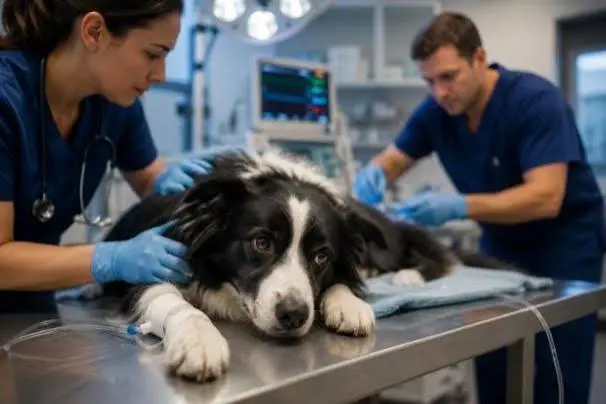
A veterinary phone appointment can help with selected follow-up discussions, medicine questions, progress reviews and deciding the next appropriate step. It cannot replace a physical examination when the vet needs to see, feel, listen to or test your pet. Keysborough Veterinary Practice offers phone appointments, but suitability depends on the animal, the concern and the […]
Read More
Pet diagnostics begin with a veterinary examination and a clear account of what has changed. Blood or urine tests, X-rays and ultrasound may then help the vet narrow the possible causes, assess severity or plan treatment. Not every sick pet needs every test, and a machine does not replace the vet’s clinical judgement. At Keysborough […]
Read More
Most dogs benefit from regular exercise, but not every walk is a good idea. Knowing when not to walk your dog is just as important as knowing when to take them out. In Australia, weather, age, health and recovery time can all change whether a walk is sensible or too much. A walk should support […]
Read More
Cats are good at hiding illness, which is why common cat health problems are often missed until they become harder to manage. A cat that is quieter than usual, eating less, hiding more or suddenly avoiding the litter box may be trying to tell you something. That is why noticing small changes early matters so […]
Read More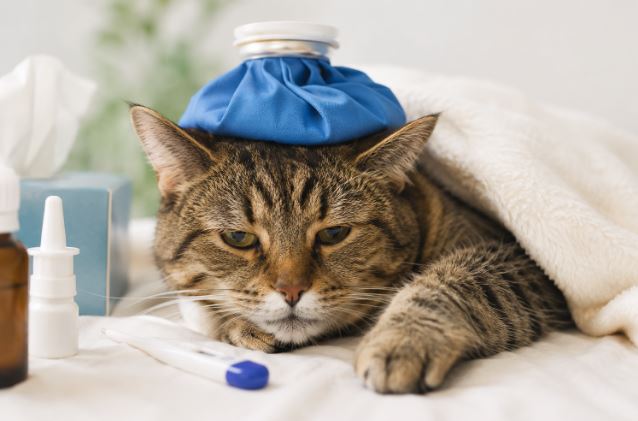
Cats with respiratory illness may sneeze, develop runny eyes or nose, lose interest in food and become quieter than usual. People often call this cat flu or influenza, but several different infections can cause similar signs, so a diagnosis cannot be made from symptoms alone. If your cat is struggling to breathe, collapsed, very weak, […]
Read More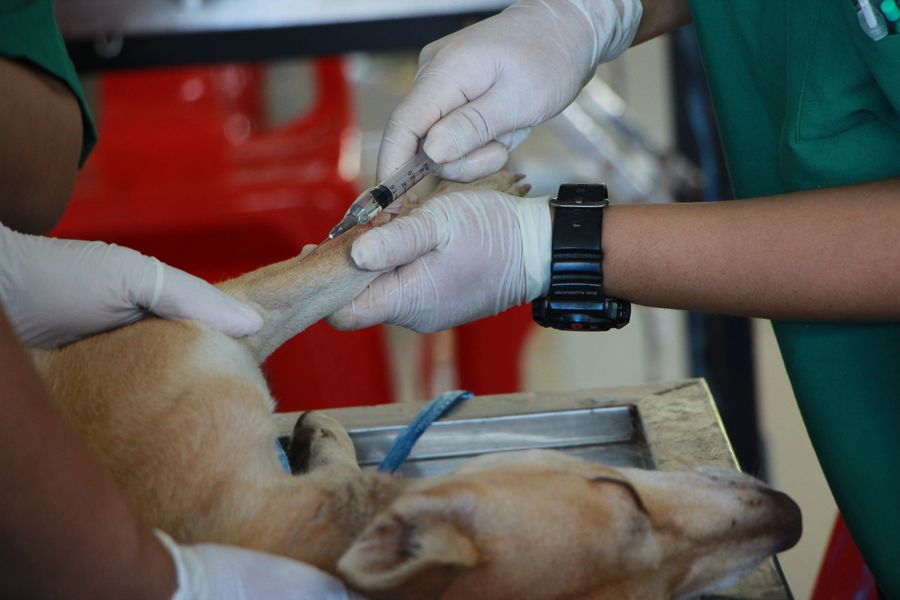
Most dogs living in Melbourne do not receive a routine rabies injection. Rabies is not established in Australia, so the question usually comes up because a dog is travelling overseas, entering Australia from another country, or has a specific exposure concern. The requirements depend on the country, route, timing and documents involved. If you are […]
Read More
A dog usually scoots because the area around its bottom is itchy, painful or irritated. Anal sac problems are a common cause, but scooting can also be related to parasites, allergies, skin inflammation, diarrhoea, material caught in the coat or, less commonly, a growth. One quick scoot does not always mean disease. Repeated scooting, licking, […]
Read More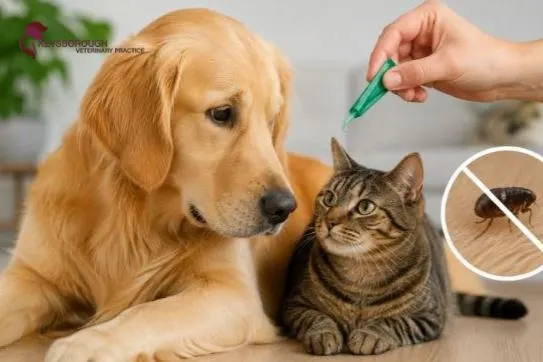
Yes. Some flea treatments made for dogs can be highly toxic to cats. Dog spot-on products containing permethrin are a particular concern. A cat can be exposed when the wrong product is applied directly, when it licks a recently treated dog or through close contact with the application area. If a dog flea product has […]
Read More
Pet insurance can be worth the expense if an unexpected veterinary bill would be difficult for you to manage and the policy provides useful cover for your pet. It is less likely to feel worthwhile when the exclusions, excess, reimbursement percentage or annual limits leave you paying most of the cost yourself. There is no […]
Read More
Standard accident-and-illness pet insurance often does not cover routine desexing because insurers generally treat it as planned or preventive care rather than an unexpected illness or injury. Some policies offer an optional routine-care or wellness benefit that may contribute a limited amount, but the rules and limits vary. Do not assume your policy will pay […]
Read More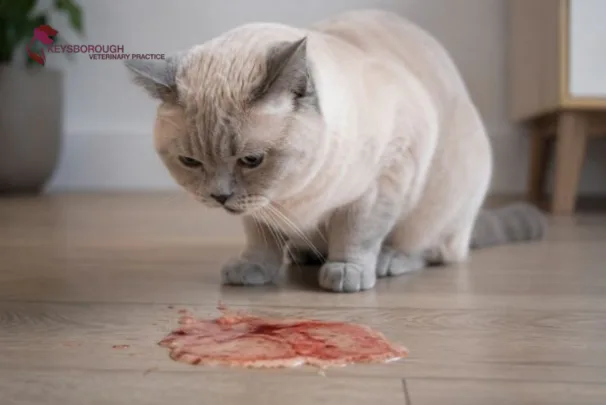
If your cat is vomiting blood, call a veterinary clinic now for triage. Fresh blood may look red or streaked through vomit. Digested blood can look dark brown or black, sometimes compared with coffee grounds. Either appearance deserves prompt veterinary advice because the source and severity cannot be judged reliably at home. If your cat […]
Read MoreCopyright © 2025 Keysborough Veterinary Practice. All Rights Reserved
Site and SEO by Telco ICT Group