



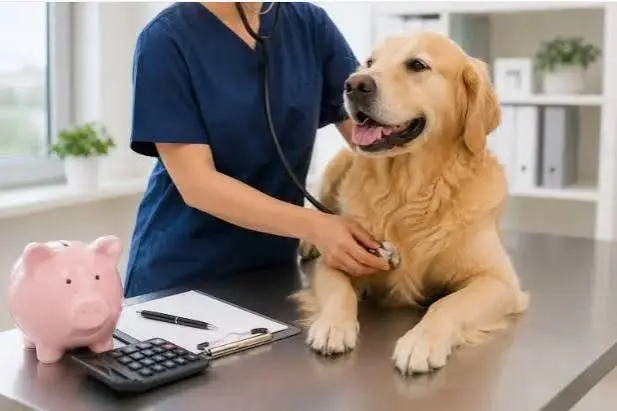
A lower-stress vet visit begins before your dog enters the clinic. Tell the team what happened at previous appointments, identify the triggers you know and ask how they want you to arrive. The plan may involve a quieter waiting arrangement, favourite food, a different handling approach or pre-visit medicine prescribed for that dog.
Keysborough Veterinary Practice has Low Stress Handling certification within its team. Low-stress handling means using a structured approach to reduce fear and distress while still completing the care a dog needs. It cannot promise that every animal will feel relaxed or that every procedure can be completed without restraint, delay or medication.
Recognise what your dog does when worried
Anxious dogs do not all look the same. Some try to hide or leave. Others become still, refuse food, pant, pace, tremble, bark, growl or snap. A dog that appears quiet may be frozen rather than comfortable.
Notice early changes, such as turning the head away, lip licking, lowering the body or repeatedly scanning the room. Tell the team what is normal for your dog and what signals that coping is becoming difficult.
Do not punish growling. It communicates discomfort and gives people a chance to change the situation. Suppressing the warning does not remove the fear.
Tell reception before the appointment
Add a note when booking rather than waiting until the dog reacts in reception. Explain whether your dog is frightened by other dogs, unfamiliar people, slippery floors, close handling or particular procedures.
Mention any history of snapping or biting plainly. The information protects your dog, staff and other clients and allows the clinic to prepare. It does not make your dog “bad”.
Ask whether you should wait in the car, enter through a particular route or call on arrival. These arrangements depend on the building and the day’s clinical workload, so confirm them for each visit.
For routine vaccination and wellness appointments, booking at a time when your dog is usually settled may help. Availability and urgent cases can still affect the clinic environment.
Practise calm car trips separately
If the only car trip ends at the vet, the vehicle itself can become a warning. Where practical, take short, calm trips that end somewhere neutral or pleasant.
Use an appropriate restraint and keep the temperature comfortable. Do not let a dog travel loose or lean far out of a window. If motion sickness is part of the problem, tell the vet rather than assuming every sign is behavioural.
Practise getting into and out of the vehicle without rushing.
On appointment day, leave enough time that traffic does not make you tn or mobility problems, ask how to use a ramp or obtain assistance safely.
Your dog may notice changes in your movements and voice even if they do not understand the reason.
Build comfort with simple handling at home
When your dog is relaxed, briefly touch areas a vet may need to examine, such as ears, paws and shoulders. Pair the contact with food or another reward the dog values. Stop before the dog struggles.
The goal is not to perform an examination or force tolerance. It is to make gentle, predictable touch less unusual. Sessions should be very short.
Do not practise painful movement or handle an injured area. A dog that suddenly objects to familiar touch may be in pain and should be assessed.
If your dog guards food, has bitten or becomes more distressed during practice, seek professional advice rather than escalating the exercise.
Help your dog feel secure on slippery surfaces
Some dogs become tense when they cannot find traction. Bring a familiar non-slip mat if the clinic agrees. Practise standing on it at home so it carries a known meaning.
Keep nails and foot hair managed appropriately, but do not undertake a stressful grooming session immediately before the visit. Pain, arthritis or weakness can also make smooth floors difficult.
For a large dog that cannot walk safely, call before moving them. The clinic may suggest a transport method or prepare assistance.
A familiar blanket can help some dogs, provided it is clean and does not prevent examination. Ask before bringing bulky bedding into a busy clinic.
Choose rewards your dog actually values
Small, high-value food pieces can support calm handling if eating is medically appropriate. Bring several options because an anxious dog may reject ordinary treats.
Ask whether food must be withheld for planned blood tests, sedation, imaging or surgery. The clinic’s instruction takes priority over behaviour preparation.
Toys or quiet praise may work better for some dogs. Avoid loud play in reception or anything that increases arousal around other animals.
Do not use food to lure a dog into a situation and then surprise them with a painful procedure repeatedly. Trust depends on giving the dog pauses and using the handling plan agreed by the team.
Consider muzzle training before it is needed
A well-fitted basket muzzle can add safety while allowing a dog to pant and, in many designs, take food. It should be introduced gradually at home, not placed for the first time during a frightening event where avoidable.
Muzzle training is not an admission that a dog is aggressive. Pain and fear can make any dog react. A familiar muzzle can allow care to proceed with less force and tension.
Ask the clinic or a qualified trainer about fit and conditioning. Never leave a muzzled dog unattended, and do not use a restrictive muzzle for longer than directed.
If the dog already has a bite history, tell reception even when you plan to bring a muzzle. The team still needs to prepare the room and handling approach.
When pre-visit medicine may help
Some dogs benefit from medicine given before leaving home. Only a vet can decide whether it is suitable, which medicine to use and how it should be timed.
Do not give a sedative prescribed for another pet or reuse an old prescription without checking. Health, weight and other medicines may have changed.
The vet may want a planning consultation before the next procedure. A trial on a quiet day may be discussed so the response is not discovered for the first time at an important appointment.
Medicine is not a failure of training. Reducing severe fear can help the dog cope and allow a more accurate, safer examination. It still needs to sit within a broader plan.
The Australian Veterinary Association offers general pet owner resources, while prescribing decisions belong with the vet responsible for the animal.
What happens in the consultation room?
Give the dog time to look and smell where the clinical situation allows. Avoid crowding them into a corner. The team may examine parts of the dog on the floor or use a mat rather than lifting them immediately onto a table.
The vet still needs accurate findings. Food, distraction and slower handling may help, but some procedures require stillness or a different level of restraint.
If distress rises, the vet may pause, change technique, perform only urgent parts or reschedule with medicine. The balance depends on how necessary the care is. An urgent painful problem cannot always wait for weeks of preparation.
Ask the team what worked and what should be recorded for next time. A good visit plan improves as the clinic learns the dog’s preferences and triggers.
Your role during the examination
Follow the team’s direction about where to stand and whether to hold the lead. Owners can comfort some dogs, while others become more protective or distracted.
Keep the lead secure but avoid tightening it constantly unless needed for safety. Speak normally. Repeated worried reassurance can signal that something unusual is happening.
Do not put your face close to a frightened dog’s face or reach between the dog and staff during a procedure. If you are uncomfortable with the plan, say so before handling begins.
You can ask for an explanation and a pause. You should also tell the team if you feel faint around needles or procedures so they can keep everyone safe.
Waiting outside can be useful
Reception areas contain unfamiliar animals, smells and sounds. Waiting in the car may reduce exposure for a dog that reacts to other pets, provided weather and safety allow it.
Call on arrival and follow the clinic’s instructions. Never leave a dog unattended in a warm vehicle. Melbourne temperatures can change quickly, and cars heat up dangerously.
If you wait outside on lead, choose space away from entrances and traffic. Do not allow greetings with other dogs simply because both are waiting.
The arrangement needs confirmation each time. An emergency or room change can affect when staff are ready to bring you through.
Plan procedures across more than one visit where appropriate
Routine care does not always need to happen all at once. The vet may prioritise the health examination and return to a non-urgent procedure with better preparation.
This is not suitable for every situation. Delaying vaccination, diagnostics or treatment has consequences that the vet must discuss. The right balance depends on clinical need and the dog’s distress.
The aim is not a perfect visit. It is care that gathers reliable information while using the least distress reasonably possible.
After the appointment
Give the dog a quiet chance to recover. Stress can leave some dogs tired or unsettled. Follow medical instructions and separate the effects of a procedure or medicine from assumptions about anxiety.
Write down what helped, what triggered a response and whether the dog ate. Share those notes before the next booking.
If the vet prescribed pre-visit medicine for the future, store it as directed and record the dose and timing. Do not adjust it yourself based on one experience.
Call the clinic about any health concern following treatment. Behaviour advice does not replace procedure-specific discharge instructions.
When outside behaviour support is useful
A qualified reward-based trainer or veterinary behaviour professional may help with broader fear, handling or aggression. Ask your vet what level of support suits the problem.
Check qualifications and methods. Avoid anyone who promises to eliminate fear instantly or relies on punishment for warning signals.
The clinic and trainer may work together, with the vet assessing pain or health factors and the trainer building gradual skills. Consent is needed before records are shared.
Severe anxiety is not stubbornness. Treating it as a welfare and safety issue leads to better decisions than trying to overpower the dog.
Book a low-stress vet visit in Keysborough
When booking, say that your dog is anxious and describe the behaviour plainly. Ask whether to wait outside, bring a mat or food, and whether a prior veterinary discussion about medicine is needed.
Keysborough Veterinary Practice is independent and owner-operated and has served Chapel Rd since 1988. To plan a low-stress vet visit in Keysborough, call (03) 9798 7274 or use the clinic website for a routine booking. Call rather than booking silently if the team needs advance warning.
Frequently asked questions
-
Should I tire my dog out before the vet?
Gentle normal activity may suit some dogs, but exhausting exercise can increase arousal or worsen pain. Ask the clinic if your dog has a health concern.
-
Can I give calming medicine left from another visit?
Only after the vet confirms it is still appropriate for that dog, dose and appointment.
-
Is growling at the vet aggression?
Growling communicates discomfort or warning. Tell the team and avoid punishment so the handling plan can change safely.
-
Can we wait in the car?
Possibly, if weather and clinic workflow allow. Confirm the process and never leave the dog unattended in unsafe temperatures.
-
Will low-stress handling mean no restraint?
Not necessarily. It aims to reduce fear and use an appropriate approach, but some care requires restraint, sedation or a changed plan.
