



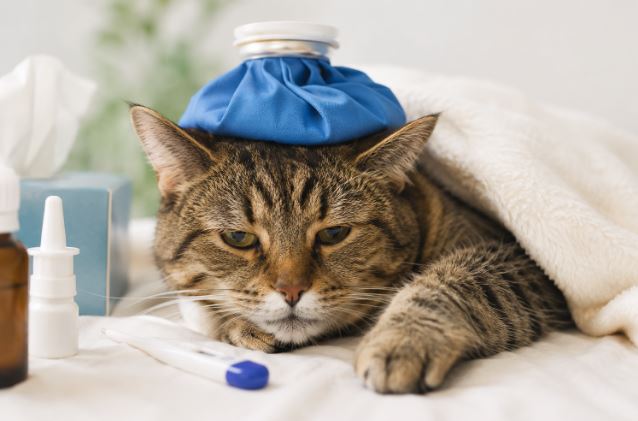
Cats with respiratory illness may sneeze, develop runny eyes or nose, lose interest in food and become quieter than usual. People often call this cat flu or influenza, but several different infections can cause similar signs, so a diagnosis cannot be made from symptoms alone.
If your cat is struggling to breathe, collapsed, very weak, unable to keep food or water down, or has not eaten, call Keysborough Veterinary Practice on (03) 9798 7274 during opening hours. Keep your cat separate from other cats while you arrange advice.
What does cat influenza look like?
Common signs of an upper respiratory infection can include:
- sneezing
- blocked or runny nose
- watery or sticky eye discharge
- sore mouth or drooling
- reduced appetite
- fever or tiredness
- coughing in some cases
Kittens, older cats and cats with other health problems may become unwell more quickly. A cat that is not eating, is dehydrated or has breathing difficulty needs prompt veterinary assessment rather than home observation alone.
What causes influenza-like illness in cats?
Several infectious agents can cause respiratory signs in cats. Feline herpesvirus and feline calicivirus are common causes of feline upper respiratory disease, but other infections and non-infectious problems can look similar.
A cat can carry an infection without showing obvious signs and may spread it through saliva, nasal discharge, eye discharge, sneezing or contaminated bowls and bedding. The exact cause affects the advice, so do not assume that a human cold medicine or leftover antibiotic will help.
Is cat flu contagious?
Many feline respiratory infections spread readily between cats. Keep an unwell cat in a separate room where possible, use separate food and water bowls, wash your hands after handling them and clean surfaces as advised by your vet. Our vaccination and wellness service can help you discuss prevention for the other cats in your household.
Avoid introducing a new cat to a household while another cat is unwell. Tell the clinic about other cats before arrival so the team can reduce contact in the waiting area.
What can you do at home?
Offer fresh water and small, palatable meals. Gently wipe discharge from the eyes or nose with a clean, damp pad, using a separate area of the pad for each eye. Keep your cat warm, quiet and away from smoke or strong fragrances.
Do not give human cold medicines, painkillers or decongestants unless a vet has specifically prescribed them for your cat. Some medicines that are safe for people can be dangerous to cats.
When should you call a vet?
Call us during opening hours if your cat is not improving, has reduced appetite, develops mouth ulcers, has thick discharge, seems painful, or is at higher risk because of age or another illness. The sooner a vet examines a cat that is deteriorating, the sooner supportive care can be considered.
Seek urgent advice for open-mouth breathing, obvious effort to breathe, blue or pale gums, collapse, severe weakness, repeated vomiting or a cat that cannot drink. Keysborough Veterinary Practice provides daytime urgent pet care during opening hours and is not staffed overnight.
How is influenza-like illness treated?
Treatment depends on the examination and suspected cause. A vet may recommend supportive care, fluids, medication for pain or inflammation, help with nutrition, eye treatment or further tests. Antibiotics do not treat viruses, although a vet may prescribe them when a secondary bacterial problem is suspected.
Some cats need closer monitoring than others. In-house X-ray, ultrasound and pathology are available at the clinic when the vet considers them appropriate, but not every cat needs every test.
Can vaccination prevent cat flu?
Routine cat vaccinations help reduce the risk and severity of several important feline infections, but they do not prevent every cause of sneezing or eye discharge. Vaccination status, age, health and exposure to other cats all matter.
Ask our team which vaccination schedule suits your cat. Keep new cats separate until their health and vaccination history have been assessed, especially in a multi-cat household.
Call our Keysborough clinic
Call Keysborough Veterinary Practice on (03) 9798 7274 if your cat is unwell. We are an independent, owner-operated clinic on Chapel Rd, Keysborough, providing daytime care during opening hours. For routine vaccination planning, use our vaccination and wellness information.
Frequently asked questions
1. Can cats catch human influenza?
Respiratory illness in cats can have several causes. Do not assume a cat has caught a human flu infection or that human flu medicine is safe. Call a vet for advice about the actual signs.
2. How long does cat flu last?
The duration varies with the cause, the cat’s age, vaccination status and general health. A cat that is worsening or not eating needs assessment rather than a fixed wait period.
3. Should I isolate a cat with respiratory signs?
It is sensible to separate an unwell cat from other cats while you seek advice. Use separate bowls and bedding and wash your hands after handling the cat.
4. Can kittens get more seriously unwell?
Kittens may be more vulnerable to dehydration, reduced eating and complications. Contact a vet promptly if a kitten shows respiratory signs or stops eating.
5. Can I use human cold medicine for my cat?
Don’t give any medicine unless a vet has specifically advised it for your cat. Human medicines can be toxic to cats.
