



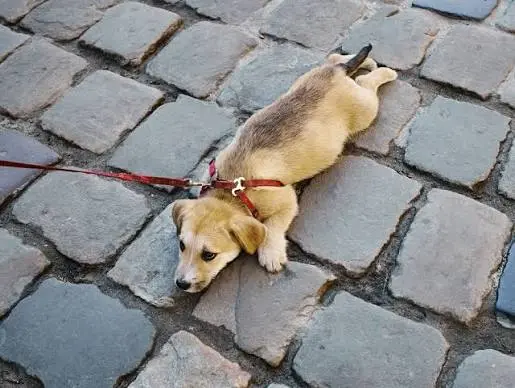
Most dogs benefit from regular exercise, but not every walk is a good idea. Knowing when not to walk your dog is just as important as knowing when to take them out. In Australia, weather, age, health and recovery time can all change whether a walk is sensible or too much.
A walk should support your dog’s health, not push them past what they can handle. If your dog is overheated, injured, sick or struggling in the current conditions, the safer option is often to skip the walk and choose a gentler routine instead.
Heat is a major risk
Heat is one of the biggest reasons not to walk your dog, especially during the warmer months in Australia. Pavement can get dangerously hot, and dogs can overheat quickly. This is especially true for brachycephalic breeds, such as pugs and bulldogs, but any dog can struggle in extreme heat.
If your dog is panting heavily, drooling, slowing down, looking uncomfortable or seeming weak, do not push the walk. Move to shade, offer water and consider a veterinary assessment if the signs are severe. Heat stress can become dangerous quickly.
Illness and injury change the rules
If your dog is vomiting, has diarrhoea, is limping, seems weak, has a fever, is coughing, or has a recent injury, a walk may do more harm than good. Recovery usually comes before exercise. A dog that is painful or unwell should not be forced into activity just because a routine needs to be kept.
This is especially important for senior dogs, dogs recovering from surgery, and dogs who have started a course of treatment that affects their energy or mobility. A vet can help you decide what is safe and what is not.
Age and fitness matter
Very young dogs and very old dogs often need tailored exercise. Puppies may not have the stamina for a long walk, and older dogs may have joint pain or reduced mobility. A dog that tires quickly, struggles on the pavement, or slows down unexpectedly may be telling you it is time for a shorter or gentler routine.
The same goes for dogs coming back from a heavy play session or a more intense walk. Recovery matters, and not every dog needs another walk because the routine says so.
Weather and environment matter too
Storms, heavy rain, poor air quality and smoke can all affect whether a walk is a good idea. Slippery surfaces can increase the risk of injury, and some dogs are more sensitive to smoke or poor air conditions than others. If the weather is uncomfortable for you, it is often uncomfortable for your dog as well.
This is also true when your dog is showing other signs such as refusal to walk, shaking, unusual stress or reluctance to move. Those are signs that the walk may not be the right choice.
A safer approach
If you are unsure whether a walk is a good idea, it is worth asking a vet. A quick conversation can help you decide whether rest, a shorter walk or a clinical assessment is the best option. This is especially important in hot weather, after a recent illness or if your dog is older or recovering from an injury.
The safest routine is the one your dog can handle comfortably, not the one that fits a schedule. A vet clinic can advise on what is appropriate for your dog’s age, breed and health.
FAQ
What are the clearest signs I should skip a walk?
Heavy panting, limping, unusual lethargy, vomiting, diarrhoea, repeated stopping, reluctance to move and overheating are all signs to stop and reassess.
Is it okay to skip a walk in hot weather?
Yes. In hot weather, a shorter walk at a cooler time of day or a gentler indoor routine may be much safer.
Should I walk my dog if they are recovering from illness?
Only if a vet has advised it. Recovery usually comes before exercise.
Can I tell if my dog is too tired for a walk?
If they are lagging, refusing to move, showing stiffness, panting heavily or seeming uncomfortable, they probably need rest instead.
