



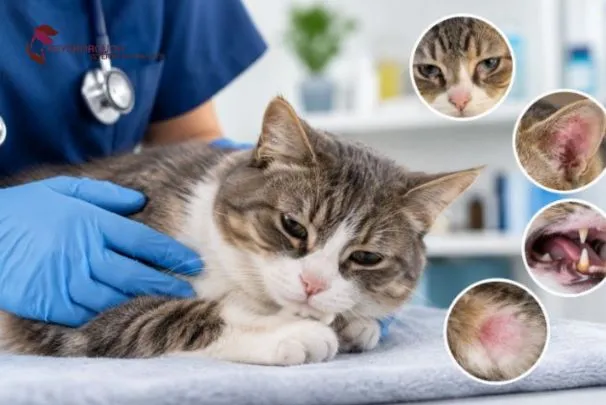
Cats are good at hiding illness, which is why common cat health problems are often missed until they become harder to manage. A cat that is quieter than usual, eating less, hiding more or suddenly avoiding the litter box may be trying to tell you something. That is why noticing small changes early matters so much.
Australian cat owners are often very good at noticing behaviour changes, but the more subtle health issues can still be easy to miss. A quick check-in with a vet can make all the difference, especially if a problem has been developing over days rather than hours.
-
Dental disease
Dental disease is one of the most common cat health problems and it can be surprisingly painful. Cats with sore gums or infected teeth may drool more, have bad breath, avoid hard food or seem uncomfortable while eating. This can also affect their overall appetite and weight.
-
Urinary problems
Urinary issues are serious and should never be ignored. Signs can include straining to urinate, frequent trips to the litter box, crying while trying to pass urine, blood in the urine or repeated small wees. If your cat is struggling to pass urine, this can become an emergency quickly.
-
Vomiting
An occasional hairball or a single episode of vomiting may not be alarming, but repeated vomiting is not something to dismiss. It can be caused by hairballs, stomach irritation, infection or other underlying issues. If it keeps happening, a vet should assess it. For specific guidance on more serious symptoms, see our article on cats vomiting blood.
-
Diarrhoea
Diarrhoea can happen for many reasons, including changes in diet, stress or parasites. If it continues for more than a day or two, or if your cat seems lethargic, dehydrated or is also vomiting, it needs veterinary care. Persistent diarrhoea can lead to dehydration and another layer of complications.
-
Weight loss
Unexplained weight loss is a sign that something may be wrong, even if the cat still seems alert. It can be linked to dental pain, digestive issues, parasites, kidney disease or hidden illness. If your cat looks leaner or is not finishing meals, it is worth a check-up.
-
Skin and coat problems
Dry skin, hair loss, redness, dandruff, excessive scratching or bald patches can all point to a skin problem. This may be caused by allergies, parasites, infection or stress. A changed coat is often one of the first visible signs that something is not quite right.
-
Eye issues
Eye discharge, swelling, squinting, redness or cloudiness can all suggest eye irritation or infection. Cats can also develop more serious eye problems, so this is one of the cat health problems that should be assessed promptly if it changes suddenly.
-
Respiratory issues
Sneezing, coughing, nasal discharge or breathing changes should be taken seriously. It may be something mild, but a cat who is struggling to breathe or has a persistent cough needs veterinary attention. This is different from a cat coughing up hairballs, which is more common but still worth investigating if it happens frequently. See our guide on cats coughing up hairballs for more detail.
-
Behaviour changes
A cat that stops playing, becomes aggressive, hides constantly or seems confused is showing signs that something is wrong. These changes can be linked to pain, illness, stress or other health issues. The cat is telling you it does not feel right, and that is worth listening to.
-
Lethargy and loss of appetite
A cat that sleeps more than usual or suddenly loses interest in food is showing two of the most important warning signs. Even if the cat still has a normal appetite, low energy over several days should prompt a check-up.
What a vet can do
A vet can examine the cat, run diagnostic tests like blood work or ultrasound if needed, and identify what is causing the problem. Early diagnosis often makes treatment simpler and more effective. Many cat health problems are easier to manage when they are caught early rather than when they have progressed significantly.
Bringing your cat to Keysborough Vet
A cat owner who notices any of these issues should book a check-up so the vet can examine the cat and identify the underlying cause. Early intervention can prevent minor issues from becoming serious. For specific concerns, see our guide to cat vomiting and blood or cat coughing and hairballs.
A vet clinic can help assess the symptoms and advise whether your cat needs urgent care. Early attention often leads to a better outcome.
FAQ
What are the most common cat health problems?
Dental disease, urinary issues, skin problems, parasites, vomiting and weight loss are among the most common issues seen in Australian cats.
When should I worry about my cat’s behaviour?
If the behaviour change is sudden, persistent or paired with poor appetite, lethargy or litter box changes, it is worth speaking to a vet.
Can cats hide illness very well?
Yes. This is one reason subtle changes in eating, grooming and activity are so important. A cat may seem “fine” while still feeling unwell.
Is it safe to wait if symptoms seem mild?
If symptoms are mild and short-lived, observation can be reasonable. But if the issue continues, worsens or is associated with pain, vomiting, breathing problems or urinary changes, it is best to seek care quickly.
