



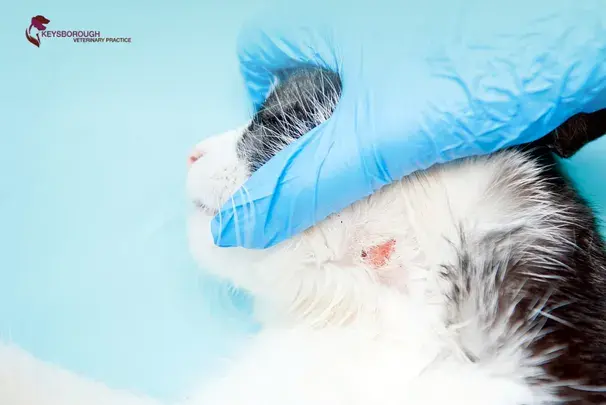
Itchy Cat? Feline Allergy & Skin Disease: Ask Your Vet
Do you know why your cat scratches constantly, leaving patches of missing fur around the house?
Feline allergic skin disease affects nearly 20% of cats, making it one of the most common reasons pet owners visit their veterinarian. Your cat’s relentless itching, over-grooming, and skin irritation aren’t just uncomfortable; they’re signs of an underlying allergy that needs attention.
Understanding what causes these allergic reactions and how to manage them can make a dramatic difference in your cat’s quality of life. This comprehensive guide will help you understand the causes of cat allergies, recognise symptoms early, and discover effective treatment options to bring relief to your itchy pet.
What is Feline Allergic Skin Disease?
Feline allergic skin disease is your cat’s immune system overreacting to substances in their environment, food, or on their skin. Think of it as your cat’s body treating harmless substances like dangerous invaders.
This condition isn’t a single disease. It’s a reaction pattern that cats display when exposed to various allergens. Veterinary professionals now use the term Feline Atopic Syndrome (FASS) to describe this complex group of allergic responses.
When a cat is allergic to something, their immune system releases chemicals that cause inflammation. This leads to the intense pruritus (medical term for itching) that makes your cat miserable. The constant scratching and licking can damage the skin barrier, opening the door for secondary bacterial infections and fungal complications.
Common Signs Your Cat Has Skin Allergies
Recognising allergy symptoms early helps your vet diagnose and treat the problem faster. Here’s what to watch for:
1. Behavioural Changes:
- Excessive scratching that seems never-ending
- Over-grooming until bald patches appear
- Constant licking of the same areas
- Biting or chewing at their skin
- Hair pulling with their teeth
2. Physical Symptoms:
- Miliary dermatitis (small, crusty bumps that feel like millet seeds)
- Symmetrical hair loss on both sides of the body
- Red, inflamed patches of skin
- Open sores or scabs, especially around the head and neck
- Skin lesions that won’t heal
- Areas most affected: base of tail, neck, face, ears, and belly
Many cats with allergies show subtle signs at first. Your cat may groom more frequently than usual. You might notice more hairballs. These early warning signs shouldn’t be ignored.
The 3 Main Types of Cat Skin Allergies
Understanding the type of allergy your cat has is crucial for effective treatment. Let’s explore each one.
1. Flea Allergy Dermatitis (Most Common Cause of Skin Disease)
Flea allergy is the most common cause of allergic skin disease in cats. When a flea bites a cat, it injects saliva into the skin. Cats with flea allergy are hypersensitive to proteins in flea saliva.
Here’s what makes this allergy so challenging:
- Just one or two flea bites can trigger severe itching
- The allergic response lasts for days or weeks
- Indoor cats can still get fleas from visiting pets or wildlife
- Symptoms appear mainly at the base of the tail and lower back
- Year-round flea control is essential, even for indoor cats
At Keysborough Veterinary Practice, we see many cases where owners don’t see fleas on their cat. The cat may be so efficient at grooming that they removes all evidence. This doesn’t mean fleas aren’t the problem.
2. Food Allergies
Food allergies can develop at any age, even if your cat has eaten the same diet for years. The most common food allergens include:
- Chicken and poultry products
- Beef
- Fish and seafood
- Dairy products
- Eggs
Cats with food allergies often show:
- Itching around the face and ears
- Gastrointestinal symptoms (vomiting or diarrhea)
- Skin problems that occur all year round
To diagnose a food allergy, your veterinarian will recommend an elimination diet. This food trial must last at least 8-12 weeks. During this time, your cat eats only a special hypoallergenic or novel protein diet. If symptoms improve, you’ve found the culprit.
3. Environmental Allergies (Atopic Dermatitis)
Atopic dermatitis happens when cats react to airborne allergens. This condition is similar to hay fever in humans, except cats show skin symptoms instead of sneezing.
Common environmental triggers include:
- Pollen from trees, grass, and weeds
- House dust and dust mites
- Mold spores
- Storage mites in dry food
Some cats have seasonal allergies that flare during spring or fall. Others suffer from allergies all year round, particularly when allergic to indoor allergens like dust mites. Environmental atopy typically causes itching on the face, ears, paws, and belly.
4. Contact Allergies (Rare)
Contact allergies happen when skin touches an irritating substance. These are uncommon in cats but can occur with certain plastics, fabrics, or cleaning products.
Treatment Options for Itchy Cats
Managing allergic skin disease requires a multifaceted approach. The goal is to reduce itching, heal damaged skin, and prevent flare-ups.
1. Immediate Relief for Allergic Dermatitis
When your cat needs quick relief from severe pruritus:
- Corticosteroids: Prednisolone reduces inflammation fast. These medications provide rapid relief but aren’t ideal for long-term use due to potential side effects.
- Antihistamines: Some cats respond well to antihistamines, though they’re less effective than in dogs or humans.
- Treating Secondary Infections: If bacterial or fungal infections are present, your cat needs antibiotic or antifungal medications. Secondary bacterial skin infections are common complications of chronic licking and scratching.
2. Long-Term Management Strategies
Sustainable control of allergic skin disease due to environmental factors requires:
- Allergen Avoidance: If skin testing identifies specific triggers, minimize exposure. Use HEPA filters, dust-free litter, and keep windows closed during high pollen seasons.
- Immunotherapy (Allergy Shots): For cats with environmental atopy, allergy shots can retrain the immune system. Custom injections based on intradermal testing results help many cats reduce their allergic response over time.
- Cyclosporine (Atopica): This immune-modulating medication reduces the allergic response without the side effects of long-term steroids.
- Essential Fatty Acids: Omega-3 supplements support the skin barrier and have anti-inflammatory properties.
- Medicated Shampoos: These help remove allergens from the coat and soothe inflamed skin.
3. Diet Management for Food Allergies
If food allergies are diagnosed through a food trial:
- Continue the hypoallergenic diet that worked during elimination
- Consider novel protein diets (protein sources your cat hasn’t eaten before)
- Try hydrolysed protein diets where proteins are broken down into too small pieces to trigger allergies
- Avoid all treats and table scraps during the trial period
The response to treatment varies by cat. Some improve within days, while others need weeks to show significant progress.
Home Care Tips for Allergic Cats
You can support your cat’s treatment at home:
Strict Flea Control:
- Use veterinary-recommended flea treatment monthly
- Treat all pets in the household
- Vacuum frequently and wash bedding weekly
- Remember that even indoor cats need flea control
Environmental Management:
- Install HEPA air filters in main living areas
- Switch to dust-free, unscented litter
- Wash your cat’s bedding in hot water weekly
- Reduce carpet and fabric where allergens collect
- Keep your cat indoors during high pollen days
Proper Grooming:
- Groom your cat regularly to remove loose hair and allergens
- Use only products recommended by your vet
- Never use over-the-counter products without veterinary approval
When to Seek Immediate Care: Contact Keysborough Veterinary Practice immediately if your cat shows:
- Rapidly spreading lesions
- Signs of pain or fever
- Severe swelling
- Loss of appetite lasting more than 24 hours
- Wounds that appear infected
Living with a Cat Who Has Allergies
Managing cats with allergies requires patience and realistic expectations. Here’s what you need to know:
- Allergies Are Lifelong: There’s no cure for allergic skin disease. Your cat needs ongoing management to stay comfortable.
- Consistency Is Key: Skipping flea prevention or medications can trigger flare-ups. Stick to the treatment plan your veterinarian recommends.
Timeline for Improvement:
- Symptom relief: 3-7 days with appropriate medications
- Full control: 4-8 weeks for most treatments
- Food trial results: 8-12 weeks minimum
Cost Considerations:
Treatment costs vary depending on the type of allergy and chosen therapies. Discuss options with your vet to find an approach that fits your budget.
Success Stories:
With proper diagnosis and treatment, most allergic cats live comfortable, happy lives. Many cat owners report significant improvement once they identify and address the underlying cause.
Prevention: Can Cat Allergies Be Prevented?
Some cats are genetically predisposed to allergies. You can’t change genetics, but you can minimise problems:
- Start flea control early in your cat’s life
- Schedule regular check-ups at Keysborough Veterinary Practice
- Address skin problems promptly before they become chronic
- Watch for early warning signs like increased grooming
- Maintain a healthy weight and good nutrition
Certain breeds may be more prone to atopy, though any cat can develop allergies.
Conclusion
Feline allergic skin disease causes significant discomfort, but it’s manageable with the right approach. Whether your cat suffers from flea allergy, food allergies, or environmental atopy, effective treatment options exist to relieve their pruritus and restore their quality of life.
The key steps are: recognise the symptoms early, work with your veterinarian to identify the specific allergen, and commit to a comprehensive treatment plan. Remember that diagnosis of feline allergies takes time and patience. Your cat’s symptoms provide important clues about the underlying cause.
At Keysborough Veterinary Practice, we’re committed to helping cats with skin problems find relief. If your cat shows signs of allergic skin disease, constant scratching, hair loss, or skin lesions, don’t wait. Early intervention prevents complications and gets your itchy cat feeling better faster.
Contact us today for a thorough examination. Together, we’ll develop a personalised treatment plan to help your cat thrive. Your feline friend deserves to be comfortable in their own skin, and we’re here to make that happen.
Frequently Asked Questions
Can cats outgrow their allergies?
No, cats don’t typically outgrow allergies. Allergies occur when the immune system becomes sensitised to specific allergens. Once established, this sensitivity usually persists for life. However, with proper management, symptoms can be controlled effectively. Some cats may experience seasonal variations where symptoms improve during certain times of the year.
Are certain cat breeds more prone to skin disease?
While any cat can develop allergies, some studies suggest that Siamese, Abyssinian, and Devon Rex cats may have higher rates of atopy. However, allergy in cats occurs across all breeds and mixed breeds. Your cat’s individual genetics and environment play larger roles than breed alone.
Can I use over-the-counter medications for my itchy cat?
Never give your cat over-the-counter medications without consulting your veterinarian first. Many human medications are toxic to cats. Even products marketed for pets may not be appropriate for your cat’s specific condition. What works for dogs can be dangerous for cats. Always check with Keysborough Veterinary Practice before starting any new treatment.
How long does it take to see improvement with allergy treatment?
The timeline depends on the treatment type. Steroids provide relief within days, while immunotherapy may take months to show full benefits. Food trials require 8-12 weeks to assess response. For environmental allergens, removing the trigger offers quick improvement if complete avoidance is possible. Your cat may need a combination of approaches for optimal control.
