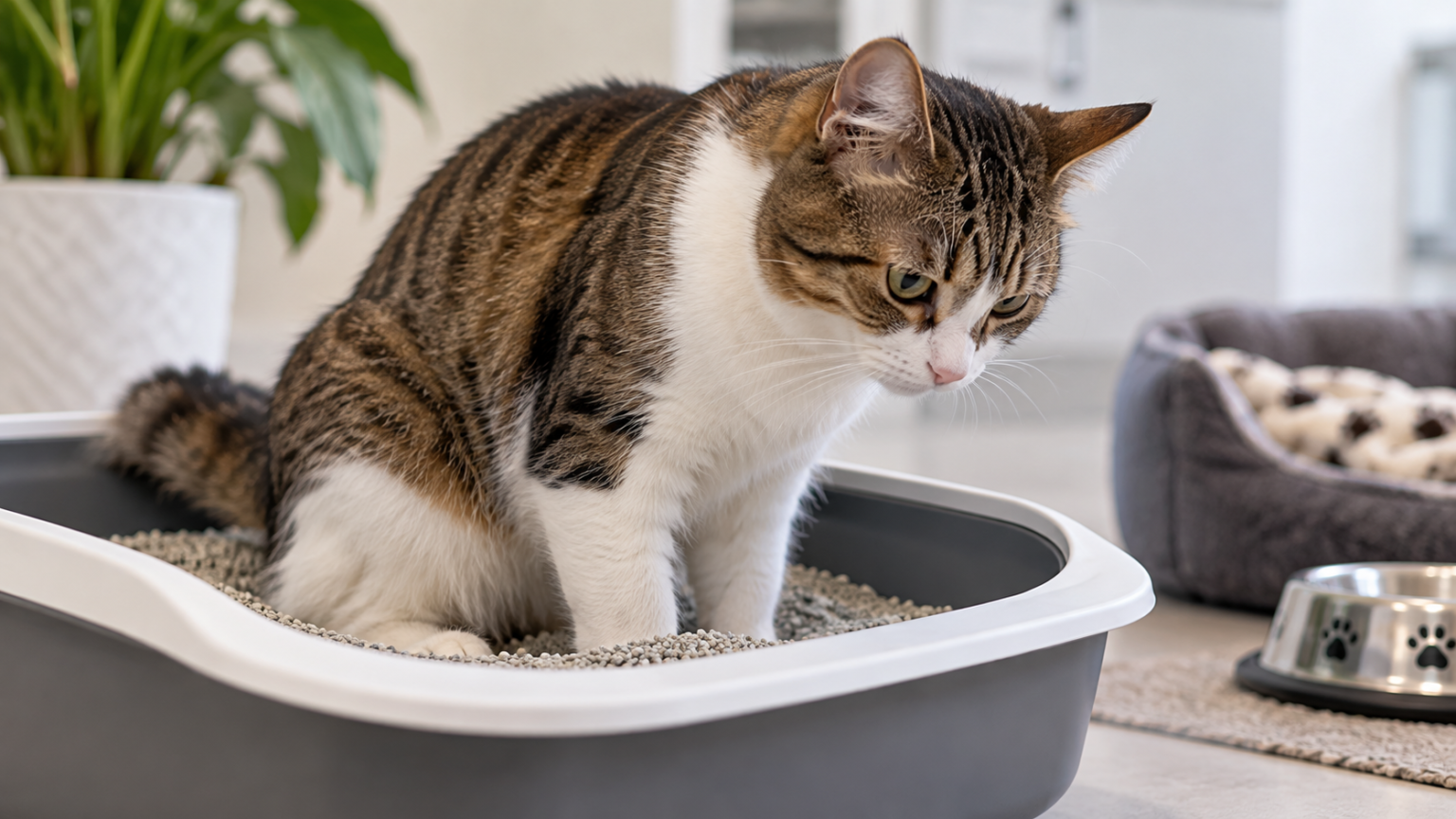
10 Common Cat Health Problems Every Australian Cat Owner Should Know

Cats are good at hiding illness, which is why common cat health problems are often missed until they become harder to manage. A cat that is quieter than usual, eating less, hiding more or suddenly avoiding the litter box may be trying to tell you something. That is why noticing small changes early matters so much.

Australian cat owners are often very good at noticing behaviour changes, but the more subtle health issues can still be easy to miss. A quick check-in with a vet can make all the difference, especially if a problem has been developing over days rather than hours.

  •  Dental disease

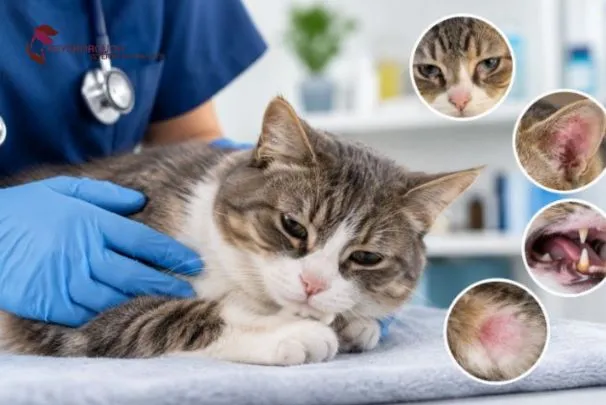
Dental disease is one of the most common cat health problems and it can be surprisingly painful. Cats with sore gums or infected teeth may drool more, have bad breath, avoid hard food or seem uncomfortable while eating. This can also affect their overall appetite and weight.

  •  Urinary problems

Urinary issues are serious and should never be ignored. Signs can include straining to urinate, frequent trips to the litter box, crying while trying to pass urine, blood in the urine or repeated small wees. If your cat is struggling to pass urine, this can become an emergency quickly.

  •  Vomiting

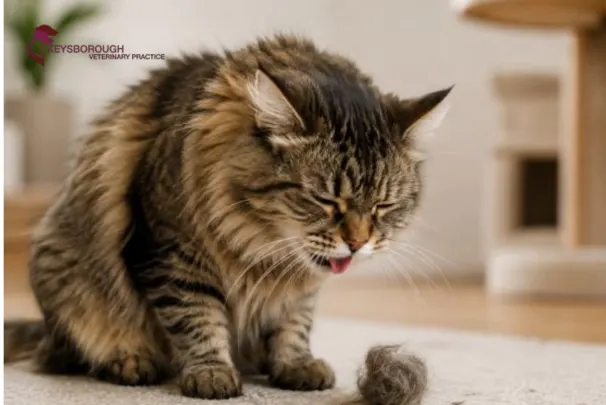
An occasional hairball or a single episode of vomiting may not be alarming, but repeated vomiting is not something to dismiss. It can be caused by hairballs, stomach irritation, infection or other underlying issues. If it keeps happening, a vet should assess it. For specific guidance on more serious symptoms, see our article on cats vomiting blood.

  •  Diarrhoea

Diarrhoea can happen for many reasons, including changes in diet, stress or parasites. If it continues for more than a day or two, or if your cat seems lethargic, dehydrated or is also vomiting, it needs veterinary care. Persistent diarrhoea can lead to dehydration and another layer of complications.

  •  Weight loss

Unexplained weight loss is a sign that something may be wrong, even if the cat still seems alert. It can be linked to dental pain, digestive issues, parasites, kidney disease or hidden illness. If your cat looks leaner or is not finishing meals, it is worth a check-up.

  •  Skin and coat problems


Dry skin, hair loss, redness, dandruff, excessive scratching or bald patches can all point to a skin problem. This may be caused by allergies, parasites, infection or stress. A changed coat is often one of the first visible signs that something is not quite right.

  •  Eye issues

Eye discharge, swelling, squinting, redness or cloudiness can all suggest eye irritation or infection. Cats can also develop more serious eye problems, so this is one of the cat health problems that should be assessed promptly if it changes suddenly.

  •  Respiratory issues

Sneezing, coughing, nasal discharge or breathing changes should be taken seriously. It may be something mild, but a cat who is struggling to breathe or has a persistent cough needs veterinary attention. This is different from a cat coughing up hairballs, which is more common but still worth investigating if it happens frequently. See our guide on cats coughing up hairballs for more detail.

  •  Behaviour changes

A cat that stops playing, becomes aggressive, hides constantly or seems confused is showing signs that something is wrong. These changes can be linked to pain, illness, stress or other health issues. The cat is telling you it does not feel right, and that is worth listening to.

  •  Lethargy and loss of appetite

A cat that sleeps more than usual or suddenly loses interest in food is showing two of the most important warning signs. Even if the cat still has a normal appetite, low energy over several days should prompt a check-up.

What a vet can do

A vet can examine the cat, run diagnostic tests like blood work or ultrasound if needed, and identify what is causing the problem. Early diagnosis often makes treatment simpler and more effective. Many cat health problems are easier to manage when they are caught early rather than when they have progressed significantly.

Bringing your cat to Keysborough Vet

A cat owner who notices any of these issues should book a check-up so the vet can examine the cat and identify the underlying cause. Early intervention can prevent minor issues from becoming serious. For specific concerns, see our guide to cat vomiting and blood or cat coughing and hairballs.


A vet clinic can help assess the symptoms and advise whether your cat needs urgent care. Early attention often leads to a better outcome.

FAQ

What are the most common cat health problems?

Dental disease, urinary issues, skin problems, parasites, vomiting and weight loss are among the most common issues seen in Australian cats.

When should I worry about my cat’s behaviour?

If the behaviour change is sudden, persistent or paired with poor appetite, lethargy or litter box changes, it is worth speaking to a vet.

Can cats hide illness very well?

Yes. This is one reason subtle changes in eating, grooming and activity are so important. A cat may seem “fine” while still feeling unwell.

Is it safe to wait if symptoms seem mild?

If symptoms are mild and short-lived, observation can be reasonable. But if the issue continues, worsens or is associated with pain, vomiting, breathing problems or urinary changes, it is best to seek care quickly.


Is Dog Flea Treatment Harmful to Cats? What to Know

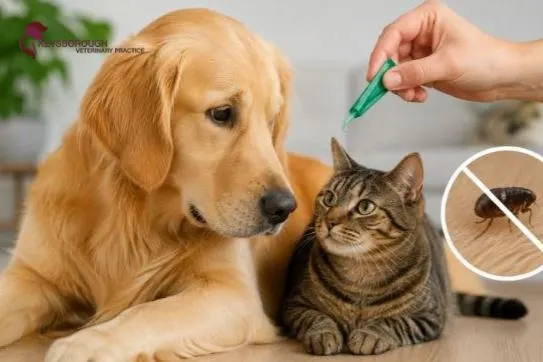
Yes. Some flea treatments made for dogs can be highly toxic to cats. Dog spot-on products containing permethrin are a particular concern. A cat can be exposed when the wrong product is applied directly, when it licks a recently treated dog or through close contact with the application area.

If a dog flea product has been applied to your cat, or your cat is trembling, twitching, drooling, unsteady or having seizures after possible contact, call a veterinarian immediately. Keysborough Veterinary Practice can be reached on (03) 9798 7274 during clinic hours. Outside those hours, contact an emergency veterinary hospital. Do not wait for symptoms to develop before seeking advice.

This article explains the risk, but it cannot identify a product or assess an exposed cat. Keep the packaging and active-ingredient information available when you call.

Why can a product be safe for dogs but dangerous for cats?

Dogs and cats process some chemicals differently. Cats are particularly vulnerable to certain pyrethroid insecticides, including concentrated permethrin used in some dog-only flea and tick products.

The Australian Pesticides and Veterinary Medicines Authority requires warnings on dog spot-on products containing permethrin. Its labelling guidance says cats should be kept away from recently treated dogs and notes reports of toxic effects after grooming or contact even 48 hours later.

The important point is that “flea treatment” is not one interchangeable medicine. Products differ in active ingredient, concentration, species, weight range and dosing interval. A label for dogs is not a dosing guide for cats.

What is permethrin?

Permethrin is a synthetic pyrethroid insecticide used in some parasite products. It affects the nervous system of insects. Dogs can use certain labelled formulations at the correct dose, but cats cannot process concentrated exposure safely in the same way.

Veterinary references describe signs such as muscle fasciculations, tremors and seizures in cats exposed to toxic pyrethroids. The severity depends on product, concentration, amount, route and how quickly treatment begins.

Do not rely on the front of the package alone. Read the active ingredients, species warning and weight range every time, even if the brand name looks familiar.

How are cats exposed?

The dog product is applied directly to the cat

This is the clearest emergency. It can happen when products are stored together, packaging is similar or an owner assumes a smaller dog dose will suit a cat.

Do not attempt to calculate a “cat amount” from a dog tube. Contact a veterinarian immediately.

The cat grooms a recently treated dog

Cats may lick dogs they live with or groom product from the dog’s coat. Exposure can occur before the application site has dried and, with relevant products, contact precautions may extend longer. Follow the exact label.

Close physical contact

Cats and dogs may sleep together, rub against one another or share bedding. Product can transfer from the treated area.

Separate pets according to label and veterinary advice. Use different rooms where necessary, not just supervision from across the room.

The wrong package is opened

Multi-pet households may have several boxes, weight ranges and dosing dates. Poor lighting, rushed routines and removed packaging make mistakes more likely.

Store dog and cat products separately and keep each dose in its original labelled packaging until use.

Warning signs of flea-treatment poisoning in cats

Signs can include:

  • Muscle twitching or rippling;
  • Tremors;
  • Unsteadiness or difficulty walking;
  • Agitation or unusual sensitivity;
  • Drooling;
  • Vomiting;
  • Weakness;
  • Difficulty breathing;
  • Seizures; and
  • Collapse.

Not every exposed cat shows every sign, and early signs can be subtle. Do not wait for a seizure before calling.

If your cat is actively convulsing, keep the area quiet and remove nearby objects that could cause injury. Do not put your fingers or anything else in the cat’s mouth. Arrange emergency transport while following veterinary instructions.

What should you do if dog flea treatment was applied to a cat?

  1. Call a veterinarian immediately. Give the product name, active ingredients, strength, amount, time and cat’s approximate weight.
  2. Keep the packaging. A photograph of the front, back and ingredient panel can help if you are already travelling.
  3. Prevent further licking. Do this safely and without delaying the call.
  4. Follow veterinary decontamination instructions. Topical products may require washing, but the correct timing and method depend on the cat’s condition. A trembling or seizuring cat needs professional stabilisation; bathing it at home can be unsafe.
  5. Do not give home remedies. Do not induce vomiting, apply another chemical or give human medicine unless a veterinarian specifically directs it.
  6. Keep the cat warm and quiet during transport, without overheating. Use a secure carrier.

The response should be guided by the product and clinical signs. Internet instructions cannot replace that assessment.

Should you wash the product off?

Removing a topical chemical can reduce further absorption in some cases. Veterinary toxicology references describe washing with a degreasing liquid detergent and water as one decontamination approach for topical agents.

However, call first. If a cat is twitching, very distressed, weak or seizing, bathing can worsen stress, lower body temperature or put both the cat and handler at risk. The veterinary team may need to control neurological signs before decontamination.

Do not use solvents, insecticides, essential oils or another flea shampoo to remove the product.

What if the cat only touched a treated dog?

Contact can still matter, particularly if the cat groomed the application site. Separate the animals and read the dog product’s warning. Call a veterinarian or the product’s veterinary advice line with the exact details.

Do not assume the cat is safe because the dog was treated yesterday. APVMA labelling guidance for permethrin dog spot-ons refers to reported toxic effects in cats that groomed or contacted treated dogs 48 hours earlier.

The veterinarian may recommend monitoring or assessment based on the product and exposure. Follow that advice rather than waiting for visible symptoms.

How is toxicity treated at the veterinary clinic?

Treatment depends on the cat’s signs and exposure. It may include decontamination, medicine to control tremors or seizures, temperature management, fluids and close monitoring. Some cats require hospital care.

There is no useful home antidote. Early treatment aims to limit further absorption and support the cat while the body clears the chemical.

Bring the packaging. “A flea spot-on” does not tell the veterinarian enough because active ingredients and concentrations vary.

Keysborough Veterinary Practice has in-house veterinary pathology and diagnostic facilities that may support assessment where clinically required. The veterinarian decides which tests or monitoring are useful.

Are all dog flea treatments toxic to cats?

No, but that does not make dog products interchangeable with cat products. Some active ingredients appear in separately labelled dog and cat formulations, often at different concentrations or doses. Other dog-only ingredients can be dangerous.

The safe rule is straightforward: use only a product labelled for cats and suitable for that cat’s age and weight, unless a veterinarian has supplied different directions for that individual animal.

Do not split dog doses between cats, estimate by size or reuse an old recommendation for a new pet.

Choosing a cat flea treatment safely

A suitable cat flea treatment depends on age, weight, health, lifestyle, other pets and parasites requiring coverage.

Ask:

  • Is this exact product labelled for cats?
  • Is my cat old and heavy enough for it?
  • Does another medicine contain the same active ingredient?
  • Does the product cover fleas only, or other parasites?
  • How often is it given?
  • What should I do if a dose is late?
  • How long should cats and dogs be separated?
  • What side effects require a call?

Follow the current label and measure weight accurately. A kitten, underweight cat, pregnant animal or cat with a health condition may need particular advice.

Flea safety in a mixed dog-and-cat household

Mixed households need a plan for every animal and the environment.

Treat every pet with a species-appropriate product

Leaving one animal untreated gives fleas another host. This does not mean using the same product on everybody.

Dose on a planned day

Set reminders, record the product and keep packages until the dose is documented. Avoid dosing when distracted.

Separate after application

Follow the longest applicable product direction and prevent grooming. Separate bedding may also be needed.

Treat the environment

Most of the flea life cycle occurs away from the adult flea on the pet. Vacuum, wash bedding and follow veterinary or pest-control advice where an infestation is established.

Consider worm prevention

Pets can acquire tapeworm by swallowing infected fleas. Keysivet’s worm-treatment guide explains why flea and worm control need to be considered together.

Avoid common product mistakes

  • Do not decant treatments into unlabelled containers.
  • Do not store dog and cat doses in the same loose bag.
  • Do not assume “natural” means safe.
  • Do not use a product after losing the label.
  • Do not combine treatments without checking active ingredients.
  • Do not apply more because fleas are still visible soon after treatment.
  • Do not use human insect repellent on pets.
  • Do not let a cat groom a recently treated dog.

If fleas remain, the cause may be environmental emergence, missed pets, incorrect dosing, application error or product mismatch. More chemical is not automatically the answer.

When flea treatment seems not to work

An established infestation can continue producing new adult fleas from eggs, larvae and pupae in the home. This can create the impression that the product failed immediately.

Continue only according to veterinary and label directions. Treat all pets appropriately, clean the environment and confirm that doses were correct. The guide on how to identify fleas on a cat explains flea dirt and household stages.

Do not shorten the interval or add another product without advice. Combining active ingredients can create toxicity.

Get veterinary advice immediately after exposure

For suspected poisoning or sudden neurological signs, call (03) 9798 7274 during Keysborough Veterinary Practice’s opening hours. The clinic provides urgent pet care during the day. Outside clinic hours, contact an emergency veterinary hospital without delay.

Frequently asked questions

What ingredient in dog flea treatment is dangerous to cats?

Concentrated permethrin in some dog-only spot-on products is a major concern. Other ingredients and formulations also require species-specific use. Check the full label and call a veterinarian with the product details.

Can a cat be poisoned by licking a treated dog?

Yes. Grooming or close contact with a dog treated using a relevant product can expose a cat. Separate pets according to the label and seek advice immediately if contact occurs.

How quickly do symptoms start?

Timing varies with the product, amount and exposure. Signs may develop within hours and can worsen. Do not wait for symptoms before calling after a known application error.

Can I use a small-dog flea treatment on a large cat?

No. Weight similarity does not make a dog product suitable for cats. Use a cat-labelled product for the correct age and weight unless a veterinarian directs otherwise.

Is supermarket flea treatment safe for cats?

Safety depends on the exact registered product, correct species, age, weight and use. The place of purchase does not replace reading the label. Ask the clinic if you are uncertain.

Should I make my cat vomit?

No. Do not induce vomiting or give a home remedy unless a veterinarian specifically instructs you. Topical exposure and neurological signs require professional guidance.

My Cat Keeps Coughing Up Hairballs: How to Reduce Them

If your cat keeps appearing to cough up hairballs, first work out whether they are retching, vomiting, or truly coughing. Hairballs come from the digestive tract and are usually brought up with retching. Repeated coughing may point to an airway problem, including feline asthma, and should not automatically be treated as a hairball issue.

Regular brushing can reduce the loose hair your cat swallows. However, frequent hairballs, repeated unproductive retching, poor appetite, lethargy, weight loss or breathing changes need veterinary assessment. Open-mouth breathing or obvious breathing difficulty is an emergency.

This guide explains what a hairball is, how to reduce risk safely and when the familiar hacking sound may mean something else.

What is a cat hairball?

Cats swallow hair during normal grooming. Their tongue moves loose hair backwards, and much of it travels through the digestive tract and leaves in the stool. Some can remain in the stomach and collect into a damp mass called a trichobezoar.

Despite the name, a hairball brought up by a cat is often long and cylindrical rather than round. It may be darkened by food and digestive fluid. Owners sometimes mistake it for stool because of the shape.

An occasional hairball in an otherwise well-cared-for cat may not cause lasting trouble. Frequency and accompanying signs matter. A cat that repeatedly tries to bring something up without producing a hairball may have a gastrointestinal obstruction, respiratory disease or another problem needing examination.

Is my cat coughing or retching?

Video is useful because the movements can look similar after the event has passed.

Retching or vomiting

Retching commonly involves visible abdominal contractions, gagging and an effort to bring material from the stomach. The cat may produce a hairball, food, fluid or foam. Nausea can also cause lip licking, drooling or repeated swallowing.

Coughing

Coughing comes from the respiratory tract. A cat may crouch low, extend the neck and make repeated dry hacking sounds. Nothing may be produced, although swallowing at the end can make owners think the cat has swallowed a hairball.

Cornell University’s Feline Health Center lists coughing, wheezing, rapid breathing, increased breathing effort and open-mouth breathing among signs associated with feline asthma. There are other respiratory causes, so coughing needs a diagnosis rather than an assumption.

Regurgitation

Regurgitation is generally more passive than vomiting. Food or fluid may come up with little warning and without strong abdominal effort. The material is often undigested.

Film an episode if you can do so safely. Do not delay urgent care to record it, especially if breathing is affected.

How often is too often for hairballs?

There is no single safe number for every cat. Cornell notes that some cats may bring up a hairball every week or two without an enduring problem, but a change from your cat’s normal pattern is important.

Book a veterinary assessment if hairballs are becoming more frequent, if episodes occur repeatedly without producing hair or if there are other changes such as:

  • reduced appetite
  • lethargy or hiding
  • weight loss
  • repeated vomiting
  • constipation or reduced stool
  • diarrhoea
  • excessive grooming or bald areas
  • coughing, wheezing or faster breathing
  • pain when handled

Frequency can reflect more loose hair, more grooming or reduced movement of material through the digestive tract. It can also indicate that the episodes are not hairballs at all.

Why might a cat get more hairballs?

Seasonal shedding

Cats can swallow more loose coat when shedding. Indoor cats may shed across much of the year because temperature and light exposure are relatively consistent.

A long or dense coat

Long-haired cats and cats with dense coats may ingest more hair during grooming. They often benefit from more frequent coat care, but every cat’s tolerance for brushing differs.

Excessive grooming

Fleas, skin irritation, allergy, pain, stress and behavioural factors can increase licking. The resulting hairballs are then a consequence of the grooming problem, not the primary disease.

Look for a thinning coat, broken hairs, bald patches, scabs or repeated attention to one body area. A vet may need to assess the skin and rule out medical causes.

Digestive disease or altered movement

Vomiting and hair in the vomit do not prove that hair caused the episode. Gastrointestinal disease may cause vomiting, while swallowed hair happens to be present. Problems that slow normal movement can also make hair accumulation more likely.

Reduced grooming assistance

Older, overweight or painful cats may struggle to groom some areas and develop mats. Mats can pull on skin and should be handled carefully. Severe matting may need professional clipping rather than forceful brushing.

How can you reduce cat hairballs?

Brush regularly

Brushing removes loose hair before your cat swallows it. Cornell recommends regular, even daily, combing for cats prone to hairballs. The practical schedule depends on coat type, shedding and how comfortably the cat accepts grooming.

Use a tool suited to the coat and begin with short sessions. Stop if the skin is irritated or the cat becomes distressed. Do not cut tight mats with scissors because cat skin is thin and can be pulled into the mat.

Keep flea and skin care current

If itching drives grooming, removing loose hair alone will not solve the cause. Use parasite prevention recommended for your cat and household. Never apply a dog flea product to a cat unless a veterinarian has confirmed it is safe for cats.

Arrange an examination for persistent itching, skin lesions, baldness or excessive licking. Diagnosis may involve parasites, infection, allergy, pain or behaviour.

Support appropriate hydration and nutrition

Feed a complete and balanced diet appropriate for your cat’s life stage and medical needs. Make fresh water available. Some cats drink more readily from several bowls or a fountain, but sudden increased thirst can itself be a sign to discuss with a vet.

Do not make abrupt diet changes solely because hair appears in vomit. If a hairball-control food or fibre change is being considered, ask your vet whether it suits your cat, particularly if there is a digestive, kidney, urinary or weight condition.

Encourage normal activity

Play and environmental enrichment support general well-being and can help indoor cats maintain healthy routines. Use toys that do not shed string or small pieces, and store wand toys after supervised play.

Activity is not a treatment for an obstruction or repeated vomiting. It is one part of routine care for a well cat.

Review stress and overgrooming

Changes in household routine, conflict between cats, limited resources or other stressors can contribute to excessive grooming. Provide separate resting areas, litter trays, food and water resources where appropriate.

Because pain and skin disease can look like behavioural overgrooming, arrange a veterinary check before assuming stress is the sole cause.

Are hairball gels or laxatives safe?

Do not give a laxative or human remedy without veterinary advice. Cornell specifically advises that laxatives for a stubborn hairball should be used only with veterinary approval and supervision.

Commercial hairball products differ in ingredients and suitability. A product may also create false reassurance when a cat is repeatedly retching because of asthma, obstruction or gastrointestinal disease.

Ask your veterinarian whether a product is appropriate, how it should be used and what signs mean it should be stopped.

When can a hairball become dangerous?

A hairball can occasionally become lodged in the digestive tract. This is uncommon but potentially serious. Warning signs can include:

  • Repeated unproductive retching
  • frequent vomiting
  • refusal to eat
  • lethargy
  • abdominal discomfort
  • Reduced or absent stool
  • deterioration over hours or days

These signs can occur with other foreign objects and illnesses as well. Do not try to force a hairball through with oil, butter, laxatives or large meals. Contact a veterinarian.

Keysi Vet offers veterinary pathology as well as X-ray and ultrasound services that may form part of investigating an unwell cat. The veterinarian will select tests based on the history and examination.

When is coughing an emergency?

Seek emergency care if your cat has:

  • open-mouth breathing
  • obvious effort to breathe
  • blue, grey or very pale gums
  • collapse or severe weakness
  • rapidly worsening distress
  • choking or a suspected airway obstruction

Keep the cat calm and minimise handling. Call ahead while arranging transport. Do not place anything in the mouth of a conscious, distressed cat.

Repeated coughing without emergency signs still deserves a veterinary appointment. Asthma, infection, parasites, heart disease and other conditions may need consideration. Hairball treatment will not address a respiratory cause.

What will the vet ask about?

Bring a video if available, and note:

  • How often do episodes occur
  • whether hair or fluid is produced
  • body posture and abdominal movement
  • breathing rate and effort after the episode
  • appetite, weight, stool and activity changes
  • skin irritation or excessive grooming
  • current parasite prevention
  • exposure to smoke, aerosols, dust or new litter
  • diet changes and medicines

The vet may examine the mouth, chest, abdomen, coat and skin. Depending on findings, testing might include X-rays, bloodwork, faecal testing, ultrasound or other investigations.

A practical weekly hairball-reduction routine

For a well cat with occasional hairballs, a simple routine can help:

  1. Brush or comb on a schedule suited to the coat.
  2. Check the skin and coat for fleas, irritation, mats and bald areas.
  3. Record vomiting, retching or coughing episodes.
  4. Monitor appetite, water intake, stool and weight.
  5. Store string, ribbon and small toy parts securely.
  6. Keep parasite prevention and routine health care current.
  7. Ask a vet about any diet or hairball product before starting it.

The record helps identify change. One isolated event is harder to interpret than a pattern showing frequency, season and accompanying signs.

Have repeated episodes checked in Keysborough

Hairballs may be common, but repeated hacking should not be dismissed without checking whether it is cough, retching or vomiting. A video and a clear history can help the veterinary team choose the next step.

Keysborough Veterinary Practice is an independent Melbourne vet clinic at 4-8 Chapel Rd, Keysborough. To arrange an assessment, call (03) 9798 7274 or book online for a non-urgent concern. For breathing difficulty or another urgent sign, call immediately and use an open 24-hour hospital if the practice is closed.

Frequently asked questions

Why does my cat keep trying to cough up a hairball, but nothing comes out?

The episode may be unproductive retching, but it could also be a true cough or another problem. Repeated attempts, poor appetite, lethargy, vomiting or breathing changes require veterinary assessment. Record a video if safe.

Can brushing stop cat hairballs completely?

Brushing can reduce swallowed loose hair, but it may not eliminate hairballs. It will not treat excessive grooming, digestive disease or respiratory coughing. A change in frequency should be discussed with a vet.

Is it safe to give my cat oil or a human laxative?

No home product should be given without veterinary direction. Oils and laxatives may be inappropriate, and self-treatment can delay diagnosis of an obstruction or another illness.

How can I tell feline asthma from a hairball?

Asthma often causes repeated coughing, wheezing or increased breathing effort, while hairball retching involves efforts to bring material from the stomach. The movements overlap, so video the episode and seek a veterinary diagnosis. Open-mouth or difficult breathing is an emergency.

New Kitten Checklist: First Vet Visit in Keysborough

Bringing home a new kitten is exciting. It’s also a big responsibility.

The first trip to the vet is one of the most important steps in week one of kitten ownership. This new kitten checklist covers what to bring, what to expect, and what your kitten will need in the first few months.

Whether you’re a first-time cat owner or adding a new family member to a house full of pets, this checklist will help your kitten get the best start in life.

When to Book Your Kitten’s First Vet Visit

Book your kitten’s first vet visit within the first week of bringing them home. This applies even if your kitten seems perfectly healthy.

An early visit to the vet helps your vet:

  • Confirm your kitten is growing well
  • Catch any hidden health issues early
  • Start the vaccination schedule on time
  • Answer your list of questions before small concerns become bigger ones

Most vets recommend the first check-up when your kitten is around 6 to 8 weeks old, though this can shift depending on when they were weaned and how they came into your care. If your kitten is already a few months old when you get them, don’t worry. It’s still worth booking an appointment as soon as possible.

What to Bring to the First Vet Visit

Being prepared helps your first appointment run smoothly and gives your vet a full picture of your kitten’s health.

Here’s what’s nice to have ready:

  • Any vet, breeder, or shelter records the kitten already has
  • Microchip details, if your kitten is already chipped
  • A note of any symptoms, appetite changes, or litter tray habits you’ve noticed
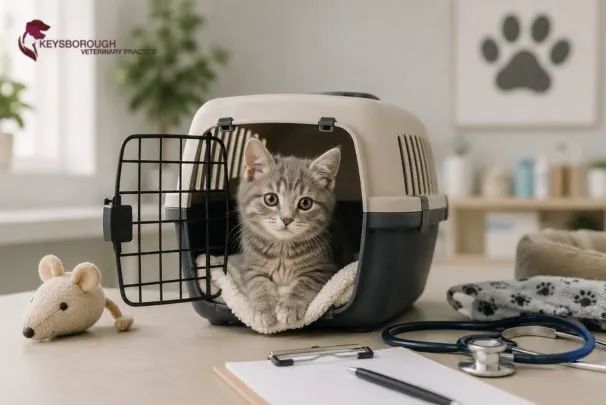
  • A secure carrier (not a box or your arms)
  • A list of questions to ask your vet

A secure carrier matters more than most new owners expect. Kittens are quick, and a stressed kitten can easily slip out of your arms in a car park or a busy waiting room. A well-ventilated carrier with a soft blanket inside also helps your kitten feel calmer on the trip.

What Happens at the First Vet Visit

Your kitten’s first vet visit covers a lot of ground. Here’s what to expect.

Full Physical Examination

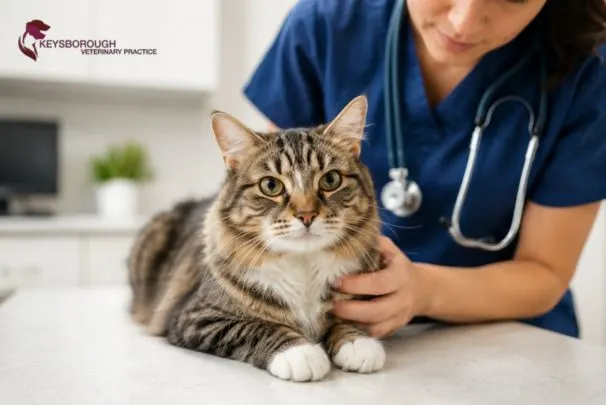
The vet will check your kitten’s weight, heart and lungs with a stethoscope, eyes, ears, teeth, and coat. This health check helps assess their overall wellbeing and flags anything that needs closer attention early on.

The vet may also try palpating the abdomen to feel the organs, checking that everything feels as it should for a kitten of that age.

Discussion of Vaccination Schedule

Your vet will explain the vaccination schedule and confirm when your kitten’s next vaccine is due. This is also a good time to ask any questions about pet vaccinations in Keysborough and how they fit your kitten’s lifestyle.

Microchipping

If your kitten isn’t already chipped, this is usually done during the first visit. Microchipping is quick and gives your kitten a permanent form of identification, which matters if they ever wander off or go missing.

Deworming and Flea Prevention

Kittens are prone to fleas and intestinal worms, so this is a standard part of the flea and worm conversation at your first visit. Your vet will recommend an appropriate parasite prevention plan based on your kitten’s age and weight.

Desexing Timeline

Your vet will talk through when desexing might be appropriate for your kitten, based on their age, breed, and health.

Nutrition and Feeding Guidance

Feeding your kitten the right food, in the right amounts, supports healthy growth. Your vet can guide you on portion sizes and the best food for your kitten’s age and breed, and can help you avoid common feeding mistakes new owners make in the first few months.

For more on preventative care, see our vaccination and wellness services and our flea and worm treatment page.

Kitten Vaccination Schedule

Kittens typically need a series of vaccinations a few weeks apart, usually starting around 6 to 8 weeks of age, with boosters continuing into adulthood.

Your vet will confirm the exact schedule based on your kitten’s age and health history, so it’s best to ask your vet directly rather than relying on a generic timeline. Every kitten is a little different, and vaccination timing can shift depending on when they were weaned or whether they’ve already had any vaccines.

Pet vaccinations in Keysborough protect kittens against several serious feline illnesses, which is why staying on schedule matters so much in these early months. Missing a booster can leave a gap in your kitten’s protection at exactly the age they need it most.

See our vaccination and wellness services page for more detail.

New Kitten Checklist for Home

The vet visit is only part of the picture. Your home needs to be ready too.

Before you bring your new kitten home, make sure you have:

  • A litter box in a quiet, accessible spot
  • A scratching post to protect your furniture
  • Kitten-specific food suited to their age
  • Safe hiding spaces where your kitten can retreat and settle in
  • A kitten-proofed home, with small objects, toxic plants, and loose cords out of reach

Kitten-proofing takes a bit of effort up front, but it makes those first few weeks far less stressful for everyone, including your other pets. If you have a puppy or kitten already at home, plan for a slow, supervised introduction rather than letting them meet all at once.

Helping Your Kitten Settle In

Let your kitten explore their new home at their own pace. A new kitten home can feel overwhelming at first, so give them a quiet room to start in before letting them explore further.

A few simple habits help your kitten feel safe:

  • Keep feeding times consistent
  • Handle your kitten gently and often, so they get used to being picked up
  • Introduce new sounds, people, and pets slowly
  • Examine your kitten’s eyes, ears, and coat gently at home, so vet checks feel familiar rather than stressful

This kind of early handling also makes future vet visits much easier, since your kitten will already be comfortable being examined.

Ongoing Kitten Care Timeline

Caring for a kitten doesn’t stop after the first visit. Here’s a simple timeline to keep in mind:

  • 6 to 16 weeks: vaccination boosters continue on schedule
  • Before 4 months of age: many vets recommend planning for desexing, in line with RSPCA guidance that early desexing reduces unwanted litters and supports long-term healththe RSPCA recommends desexing kittens before four months of age, prior to puberty, provided a vet has assessed them as being in good health, at an appropriate weight, and adequately vaccinated RSPCA South Australia
  • 3 to 6 months of age: a good time to check in with your vet about growth, diet, and behaviour
  • 12 months: first-year wellness check to make sure your kitten is on track for a long and healthy life

This isn’t an exhaustive list. Your vet will tailor the exact timeline to your kitten’s needs, breed, and health history.

Why the First Vet Visit Matters

Cats are a big part of Australian life. Around a third of Australian households own a cat, with roughly 5.3 million pet cats living in about 3.3 million homes across the country. That’s a large number of new kittens starting their lives each year, and a large number of first vet visits happening alongside them. 

Getting that first check-up right sets the foundation for your kitten’s health for years to come. It also gives you a chance to build a relationship with a vet clinic you trust, close to home in Melbourne’s southeast.

Book Your Kitten’s First Vet Visit in Keysborough

Our experienced vets are passionate about the health of every kitten and pet that walks through our door. We’ll help your kitten get off to the best start in life, from that first appointment through every stage of kitten health.

Explore ourkitten care guide for more on what to expect, or learn more about us and why Keysborough families choose our practice.

Book your kitten’s first appointment today.

FAQs

How old should a kitten be for its first vet visit?
Ideally within the first week of coming home, even if they seem healthy.

Do indoor-only kittens still need vaccinations?
Yes. Indoor cats can still be exposed to disease, so vaccination is still important.

When should I get my kitten desexed?
Many vets recommend planning for desexing before 4 months of age. Ask your vet for guidance specific to your kitten.

How much does a first kitten vet visit cost?
Costs vary by clinic and what’s included. Contact your veterinarian for a quote tailored to your kitten.

What percentage of kittens need extra care at their first check-up?
It varies. A stool sample may also be taken at this visit to check for parasites, so your vet can flag anything early.


Diabetes in Cats: Early Signs Melbourne Vets Want You to Know

If your cat is drinking more, losing weight, or seems unusually tired, these could be early signs of diabetes in cats. The most common indicators of diabetes are increased thirst, increased urination, weight loss despite a normal or bigger appetite, and lethargy.

The good news is that diabetes mellitus in cats is very manageable. With early diagnosis and the right care, most cats go on to live full, comfortable lives. Some even reach remission. Catching the signs early is the biggest factor in a good outcome.

Early Signs of Diabetes in Cats

Diabetes mellitus develops gradually. Many cat owners notice small changes before anything seems seriously wrong. Here are the early signs of diabetes to watch for.

  • Increased thirst (polydipsia)

A cat with diabetes often drinks far more water than usual. You might notice the water bowl needs topping up more often, or your cat visiting the tap or a dripping sink more frequently. This is one of the earliest and most consistent signs of diabetes in cats.

  • Increased urination

More drinking means more urinating. Some diabetic cats start having accidents outside the litter tray, or you may notice heavier, wetter clumps if you use clumping litter. This symptom often appears alongside increased thirst, and the two together are a strong early indicator.

  • Weight loss despite eating normally or more

This is one of the more common signs of diabetes in cats. The body cannot use glucose properly for energy, so it starts breaking down fat and muscle instead. A cat can be eating well and still be losing weight steadily over several weeks.

  • Increased appetite

Some diabetic cats seem hungrier than usual. This is the body’s attempt to get more fuel, even though it cannot process the glucose from that food efficiently. Owners sometimes describe this as their cat “never being satisfied” at mealtimes.

  • Lethargy or reduced activity

A cat that suddenly sleeps more, plays less, or seems flat could be showing early signs of diabetes. This can be subtle at first, especially in older cats who are already less active day to day.

  • Unkempt coat

Cats with diabetes may groom themselves less. A dull, greasy, or matted coat can be one of the clinical signs owners notice but do not immediately connect to diabetes. It is often mistaken for a sign of ageing rather than illness.

Later or More Advanced Signs

If diabetes mellitus in cats is left undiagnosed, more serious clinical signs of diabetes can appear.

  • Weakness in the back legs

Some diabetic cats develop a condition called diabetic neuropathy. This causes weakness in the back legs, and affected cats may walk flat-footed on their hocks rather than up on their toes. This gives a distinctive, dropped-down gait that owners often describe as their cat looking “wobbly” or “weak behind.”

  • Vomiting

Vomiting can be a sign that diabetes has progressed or that another condition is developing alongside it. Persistent vomiting in a diabetic cat should never be ignored.

  • Poor appetite

A sudden drop in appetite in a cat that was previously eating well is a red flag. It can point to a serious complication called diabetic ketoacidosis, a condition where the body starts producing harmful levels of acids called ketones.

These later signs are not a “wait and see” situation. A diabetic cat showing any of these needs urgent veterinary attention, not a routine booking.

What Causes Diabetes in Cats?

The most common form of diabetes in cats resembles type 2 diabetes in humans. It usually involves a mix of relative insulin deficiency and reduced insulin sensitivity in the body’s tissues, rather than a total loss of insulin production. This is different from type 1 diabetes, which involves much more limited insulin production and is rare in cats.

In practical terms, this means most diabetic cats still produce some insulin. Their bodies simply cannot use it effectively, or cannot produce enough to keep up with demand. Over time, this leads to consistently high blood glucose, which is what causes the clinical signs described above.

Risk factors for diabetes in cats

Certain cats are more likely to develop diabetes than others. Known risk factors include:

  • Being overweight or obese. Obese cats are significantly more likely to develop diabetes than cats at a healthy weight, since excess body fat reduces the body’s sensitivity to insulin.
  • Being an older cat. The risk of developing diabetes increases with age, and most diagnoses occur in middle-aged to senior cats.
  • Being male. Desexed male cats appear to be overrepresented in diabetes cases compared to females.
  • Breed. In Australia, Burmese cats have a well-documented predisposition to this condition. A study across two feline-only veterinary practices in Australia found a 5-year period prevalence of diabetes of 7.4 cases per 1,000 cats overall, but that figure rose sharply to 22.4 cases per 1,000 cats among Burmese cats. Australian research has consistently flagged this breed as being at greater risk than other domestic cats. Globally, feline diabetes mellitus is estimated to affect around one in every 200 cats, so it is not a rare condition in pets overall. 
  • Certain medications or other health conditions. Some underlying illnesses and long-term medications can increase insulin resistance, contributing to the development of diabetes.

How Is Diabetes in Cats Diagnosed?

Diagnosis of diabetes usually involves a combination of tests, since a single blood glucose reading is not always enough to confirm the condition on its own.

  • Blood glucose testing. A high blood glucose reading is the main indicator, though cats can show temporary spikes from stress alone, particularly during a vet visit.
  • Urine testing. Checking for glucose and ketones in the urine helps confirm the diagnosis and rule out other conditions, including kidney disease in cats, which can share some symptoms with diabetes.
  • Fructosamine testing. This test measures average blood glucose over the previous couple of weeks. It is particularly useful in cats, since a single stressed visit to the vet can temporarily raise blood glucose and give a false picture of the animal’s true condition.

Getting an accurate diagnosis and treatment plan usually means combining these tests rather than relying on just one. Our team offers full diagnostic pathology in house. You can read more about our general pathology services here.

Is Diabetes in Cats Treatable?

Yes. Diabetes in cats is a manageable, treatable condition, and many cats respond very well once management begins.

The main treatment option is insulin injections given at home, usually alongside a change of diet. Diabetic cat food is typically higher in protein and lower in carbohydrates, which helps support more stable blood glucose throughout the day. Some cats on insulin, especially those diagnosed early and helped to reach a healthy weight, go into remission and no longer need ongoing insulin treatment.

Types of insulin, insulin dose, and the exact treatment plan will always be tailored by your vet to your individual cat’s needs. We won’t cover specific dosing here, as this depends entirely on your cat’s weight, bloodwork, and response to treatment over time. Managing diabetes in cats safely depends on your vet assessing your cat directly and adjusting the plan as needed.

Caring for your diabetic cat at home also involves consistent feeding times, monitoring water intake, and watching for any changes in behaviour. Most owners find that this becomes routine within a few weeks.

Without insulin or with inconsistent treatment, uncontrolled diabetes can lead to serious complications, including diabetic ketoacidosis, which is a medical emergency requiring immediate veterinary care.

How to Reduce Your Cat’s Diabetes Risk

While not every case can be prevented, there are practical steps that lower the risk of developing diabetes.

  • Maintaining a healthy weight

Since obese cats are at much higher risk, keeping your cat at a healthy weight through appropriate diabetic cat food or an appropriate everyday diet, along with regular activity, is one of the most effective things you can do. Even modest, gradual weight loss in an overweight cat can meaningfully lower diabetes risk.

  • Regular wellness checks

Routine check-ups mean changes in weight, thirst, or energy get picked up early, often before you would notice them at home. This is especially important for older cats and Burmese cats, given their higher risk profile. Regular bloodwork as part of a wellness check can also catch early changes in blood glucose well before obvious symptoms appear.

You can find out more about our wellness and vaccination services here.

When to See a Vet in Keysborough

If your cat is showing any combination of the early signs above, especially increased thirst and urination together, it is worth booking a check-up. Early diagnosis of diabetes gives your cat the best chance at a smooth path to management, or even remission.

If your cat is showing more advanced signs, such as back-leg weakness, vomiting, or a sudden loss of appetite, this needs urgent attention rather than a standard appointment. You can find details of our urgent care service here.

Our Keysborough-based team has supported cat owners across Melbourne’s south-eastern suburbs with diagnosis and ongoing management of feline diabetes for years. Whether you’re in Keysborough itself or one of the surrounding Melbourne suburbs, our Melbourne vet clinic is set up to handle both routine diagnosis and ongoing diabetes management. You can read more about our practice and team here.

Ready to get your cat checked? Book an appointment with our Keysborough team today.

FAQs

Can diabetes in cats be reversed

Some cats do reach remission, particularly with early diagnosis and weight management. It is not guaranteed, but it is a realistic goal for many diabetic cats.

Is diabetes in cats common in Australia

It is not rare. Australian research found a 5-year prevalence of around 7.4 cases per 1,000 cats, rising notably in Burmese cats. 

How long can a cat live with untreated diabetes

This varies a lot between cats. Untreated diabetes can lead to serious complications, so early veterinary care matters more than a general timeframe.

Are certain cat breeds more prone to diabetes

Yes. Burmese cats are consistently identified in Australian studies as having a higher risk than other breeds.

Why Is My Cat Vomiting Clear Fluid? Types of Cat Vomit and When to See a Veterinarian

If you have ever walked into a room and found your cat throwing up a small puddle of clear liquid, you know that slightly panicked feeling that follows. Is it serious? Should you call the vet right now, or just keep an eye on things?

The honest answer is: it depends. A cat vomiting clear liquid once is not automatically a crisis. But if it keeps happening, or if other symptoms show up alongside it, that is a different story entirely. Understanding what different types of cat vomit look like and what they mean can help you make a much better call about when to act.

According to Animal Medicines Australia, cats are now found in 34% of Australian households, which means millions of Melbourne cat owners are navigating this exact question regularly. Gastrointestinal disease is the number one health ailment requiring vet visits in cats across Australia, so knowing your way around the topic is genuinely useful. 

Common Causes of Cat Vomiting: Why Do Cats Vomit?

Before getting into what vomiting clear liquid means specifically, it helps to understand feline vomiting causes more broadly.

Cats vomit for a surprisingly wide range of reasons. Some are totally benign. Others are signs that something is going wrong inside the digestive tract. Here are the most common causes of cat vomiting:

  • Eating too quickly: A cat that bolts its cat food can trigger vomiting almost immediately after a meal. The stomach fills too fast and simply pushes the contents back up. Undigested food, or food that is only partially digested, often comes up in a tubular shape.
  • Hairballs: Cats groom constantly, and that means they ingest a lot of fur. When hair accumulates in the cat’s stomach, the body tries to expel it. Vomiting hairballs is a normal part of cat’s life, but frequent vomiting of hairballs is not something to ignore.
  • An empty stomach: When a cat goes too long without eating, stomach acid and bile can build up and irritate the stomach lining, leading the cat to vomit on an empty stomach. This often produces a clear or yellowish liquid.
  • Dietary changes: A sudden switch in cat food can upset the digestive system. Cats do not adapt quickly to new foods, so any change should be made gradually.
  • Inflammatory bowel disease (IBD): This is a chronic condition where the digestive tract becomes persistently inflamed. Cats with IBD may vomit frequently and lose weight over time.
  • Kidney disease: Kidney disease is one of the more common serious conditions in older cats. It can cause nausea and frequent vomiting as toxins build up in the bloodstream.
  • Ingesting a foreign object: A cat that has swallowed something it should not have, a piece of string, a small toy, or any other foreign object, can develop an intestinal blockage. This is a serious situation.
  • Intestinal parasites: Worms and other parasites can irritate the digestive tract and trigger vomiting in cats of all ages.
  • Hyperthyroidism and other systemic illnesses: Overactive thyroid glands and various other conditions affecting the whole body can also trigger vomiting.

Cat Vomit Colour Guide: What Vomit Looks Like and What It Means

One of the most useful things you can do when your cat vomits is take a close look at what came up. Cat vomit colour gives you real information about what might be going on.

Vomit Appearance What It Usually Indicates
Clear liquid or water Stomach fluid, saliva, drinking too fast, or an empty stomach
White foam Stomach irritation or regurgitation from the oesophagus
Yellow or bile-coloured Vomiting on an empty stomach; bile from the digestive tract
Throwing up yellow liquid Bile buildup; consider more frequent meals
Undigested or partially digested food Eating too quickly or having a food intolerance
Vomiting hairballs Normal hair ingestion from grooming, but frequent vomiting of hairballs warrants attention
Green vomit Contents from the small intestine; worth a vet check
Vomiting blood or vomit that looks like coffee grounds Urgent, requires immediate veterinary attention
Black liquid Digested blood is lower in the intestinal tract; vet immediately


Cat Vomiting Clear Liquid: What Does It Mean?

So your cat is vomiting clear liquid specifically. Here is what that usually tells you.

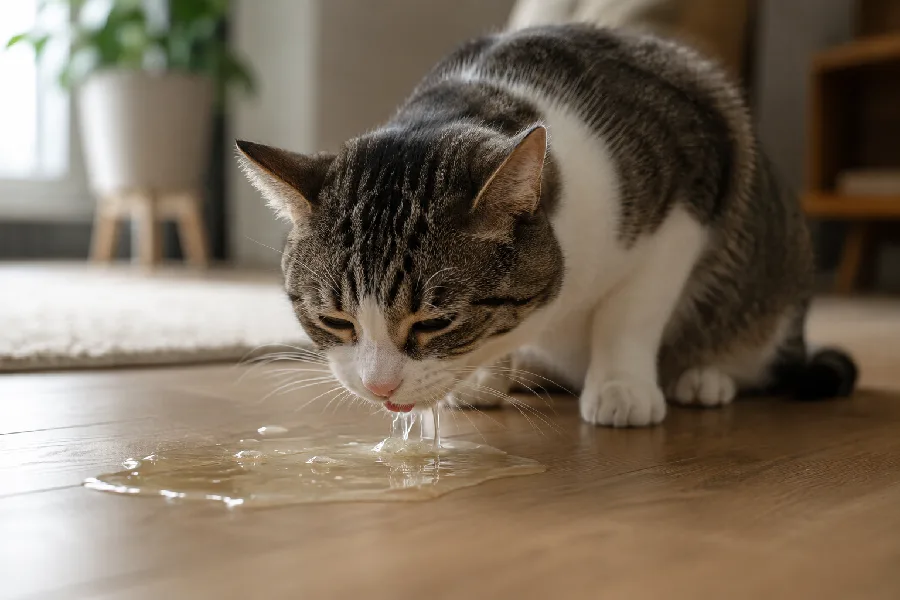
Clear liquid vomit typically means the cat is throwing up water, saliva, or the fluid contents of the stomach. This can occur due to drinking too fast, stomach irritation, or nausea from something the cat has eaten. 

A few specific scenarios to be aware of:

  • Vomiting on an empty stomach: If your cat vomits first thing in the morning before eating, this is often related to stomach acid accumulation overnight. Offering a small meal before bed or splitting meals into more frequent meals throughout the day can help.
  • White foam: When clear vomit has a foamy texture, it is usually regurgitation from the oesophagus or stomach. White foam in cat vomit is a sign that the internal lining of the stomach is likely inflamed. 
  • Clear liquid several times in a row: If your cat is vomiting clear liquid repeatedly in a short period, do not wait to see if it resolves on its own. That is when you need to call your veterinarian.

One important distinction is that cats will vomit and cats will also regurgitate, and the two are not the same thing. Vomiting involves visible effort, abdominal contractions, and often some warning signs like retching. Regurgitation is much more passive and tends to happen almost without warning, usually very soon after eating. If you are unsure which one your cat is doing, try to film it on your phone; it is genuinely helpful information for your vet.

Vomiting in Cats on an Empty Stomach: The Bile Issue

Cats with mild cases of vomiting on an empty stomach may vomit yellow liquid or a foamy liquid rather than purely clear fluid. A yellowish shade in cat vomit often indicates bile, a digestive fluid from the liver. This can happen when a cat’s stomach is empty for too long.

If your cat vomits yellow regularly in the early morning, the simplest fix is to try offering a small meal later at night so the stomach is not empty by morning. If it continues, that is a conversation to have with your veterinarian.

Is Your Cat Throwing Up Clear Liquid? When to Call Your Vet

Not every episode of vomiting requires a trip to the vet. But there are clear signs that require veterinary attention sooner rather than later. Frequent vomiting is never normal, even in cats that have a history of sensitive stomachs, and it should never be dismissed as “just what they do.”

Contact your vet as soon as possible if your cat is showing:

  • Vomiting more than two or three times in 24 hours
  • Vomiting blood or vomit that looks like coffee grounds
  • Signs of an intestinal blockage (your cat may require surgery if a foreign object is involved)
  • Lethargy, loss of appetite, or significant behaviour changes
  • Diarrhoea alongside the vomiting
  • Signs of dehydration, such as dry gums, sunken eyes, or skin that does not spring back when gently pinched
  • Persistent vomiting over several days
  • Acute vomiting that comes on suddenly and does not stop

Go to the vet immediately if your cat is:

  • Vomiting blood
  • In obvious distress or pain
  • Showing signs of an intestinal blockage, your cat may require surgery
  • Unresponsive or extremely lethargic

At Keysborough Veterinary Practice, the team provides urgent care for cats experiencing persistent vomiting, as well as general pathology, X-rays and ultrasounds to investigate what is going on internally.

How Vets Diagnose and Treat Cat Vomiting?

When you bring your cat in for vomiting, the veterinarian will start by taking a thorough history. How often is the cat vomiting? What does the vomit look like? Has the cat food or routine changed recently? What has the cat had access to?

From there, depending on what the vet finds on examination, diagnostics may include:

  • Blood and urine tests to check for kidney disease, hyperthyroidism, inflammatory bowel disease, and other systemic conditions
  • Faecal testing to rule out intestinal parasites
  • X-rays or ultrasound to look for a foreign object, intestinal blockage, or any abnormalities in the digestive tract
  • Endoscopy or biopsy in cases where inflammatory bowel disease or cancer is suspected

Cats with mild cases of vomiting can often be treated on an outpatient basis with fluids, supportive care, and a bland diet. Some form of fluid therapy is given for almost every cause of vomiting. Cats that are more unwell, or significantly dehydrated, may require fluid therapy and supportive care in a hospital.

Tips to Help Reduce Cat Vomiting at Home

If your cat’s vomiting is from indigestion or eating habits rather than an underlying illness, these practical steps can help:

  • Use a slow-feeder bowl, so your cat cannot eat too quickly
  • Offer frequent meals in smaller portions rather than one large serving, so your cat cannot eat too much at once
  • Groom your cat regularly to reduce the amount of fur they ingest, particularly for long-haired cats prone to vomiting hairballs
  • Switch cat food gradually over seven to ten days rather than all at once
  • Keep your cat away from string, ribbon, small toys, and plants that could be swallowed
  • Try dry cat food alternatives if wet food is causing issues, or vice versa

What Australian Cat Owners Should Know

According to PetSure claims data, in 2024, gastroenteritis was the most claimed condition in cats across Australia. Gastrointestinal issues are the primary problem for cats across all age groups in Australia, and 69% of cat owners reported taking their cat to the vet in the last year. 

Many cats experiencing mild digestive upset will recover with simple care at home. But many cats also have underlying conditions that go undiagnosed for longer than they should, simply because owners assume vomiting is normal. In Melbourne, particularly, where we have a large population of indoor cats, factors such as stress, diet, and limited exercise can contribute to chronic digestive issues.

If your cat has vomited more than twice in a short period, or if you notice any blood, significant lethargy, or signs of pain, that is the time to contact a Melbourne veterinarian rather than waiting to see what happens.

If you are a new cat owner, it is also worth reading up on cat vaccinations in Australia and kidney disease in cats, as both topics are closely connected to vomiting as a symptom. You might also find it helpful to review the Keysborough Vet guide on cat urinary blockages, another condition that can cause a cat to vomit or stop eating.

Frequently Asked Questions

1. Why is my cat vomiting clear fluid? 

Clear vomit is usually stomach fluid, saliva, or water. It can happen when a cat has an empty stomach, drinks too quickly, or has mild stomach irritation. If it happens repeatedly, see your vet.

2. Is it normal for cats to vomit clear liquid? 

Occasional vomiting can occur in healthy cats, but frequent vomiting is never normal for a cat. If your cat is vomiting clear liquid several times a week or more, it needs a vet assessment.

3. What does white foam in cat vomit mean? 

White foam typically indicates stomach or oesophageal irritation. It is a form of regurgitation and, if occurring regularly, warrants a veterinary check.

4. When should I take my cat to the vet for vomiting? 

Take your cat to the vet as soon as possible if it vomits more than two or three times in 24 hours, if there is blood in the vomit, or if your cat seems lethargic, is not eating, or has diarrhoea alongside the vomiting.

5. Can kidney disease cause a cat to vomit? 

Yes. Kidney disease is one of the more common causes of persistent vomiting in older cats. A veterinarian can diagnose this through blood and urine testing.

How to Tell If Your Cat Has Fleas Before a Flea Infestation Takes Hold?

Fleas on cats are one of the most common problems vets see across Melbourne and the rest of Australia, yet they’re also one of the easiest things to miss until things get really out of hand. Your cat might be scratching a little more than usual, or grooming obsessively, and it’s easy to brush that off as just “cat behaviour.” But those small signs can be early warnings of a flea problem that’s already spreading through your home.

The tricky part is that fleas are fast, small, and very good at hiding. You might never spot a single flea on your cat, even when hundreds are living in your carpets, bedding, and furniture. Knowing what to look for, before things escalate, makes a real difference.

This guide walks you through exactly how to spot fleas early, what those signs actually mean, and what to do if your cat has fleas before it becomes a bigger issue.

Why Fleas on Cats Are Such a Common Problem

The cat flea (Ctenocephalides felis) is the most common in Australia, capable of infesting dogs, rats, humans, and other mammals, not just cats. So if you have a multi-pet household or even just an outdoor garden, the risk is real year-round. 

Fleas can cause more than discomfort. In high numbers, they can lead to skin disease and anaemia, and some species can even transmit infectious diseases to people. 

Here’s the thing about the flea life cycle that most pet owners don’t realise: 95% of fleas are actually in the home, not on your cat. So if you notice fleas or flea dirt on your cat, your home almost certainly needs treating too. 

That’s why catching the signs of fleas early matters so much.

Signs of Fleas on Your Cat: What to Look For

Scratching and Restlessness

One of the first signs of a flea infestation is your cat scratching and seeming quite irritated, especially around the base of the tail or the backs of the hind legs. If you notice your cat scratching the same spots repeatedly, that’s worth paying attention to. 

Fleas on your pet don’t stay still. They move quickly through the fur, biting as they go, which makes cats restless and uncomfortable. Some cats will also start avoiding certain spots in the house where flea eggs and larvae have accumulated in the carpet or bedding.

 Flea Dirt: The Key Thing to Look For

This is probably the most reliable sign, and one that’s easy to miss if you don’t know what you’re looking for.

Flea dirt looks like small black specks of grit, similar to finely ground pepper, and is actually flea faeces. It tends to collect in the fur around the neck, belly, and base of the tail. 

Here’s a quick way to confirm it’s flea dirt and not just regular dirt:

  • Collect a few specks on a damp white paper towel
  • Press them gently
  • If they leave a reddish-brown stain, it’s flea dirt (digested blood)
  • If it just smears brown or grey, it’s probably regular dirt

This test works because flea dirt is made from digested blood, so it leaves a red residue when wet. If you see this, your cat has fleas, even if you haven’t spotted a live flea yet. 

Excessive Grooming

Cats groom themselves naturally, but there’s a point where it becomes excessive. If your cat is licking, chewing, or pulling at their fur more than usual, especially around the belly, inner thighs, and base of the tail, fleas are a likely cause.

Fleas typically only stay on the cat for the minutes to hours they feed, which is why you don’t often see live fleas unless there’s a severe flea infestation in the immediate environment. This means a cat that’s grooming obsessively might actually be removing fleas before you ever get the chance to spot them. 

Hair Loss and Skin Irritation

Cats that have been dealing with fleas for a while often develop patchy hair loss, red skin, and small crusted bumps. This pattern of irritation is known as feline miliary dermatitis, and it resembles tiny, round millet seeds on the skin, typically spread over the back, neck, and face. 

If left untreated, the scratching and biting can lead to open sores and secondary skin infections, which then need separate treatment on top of dealing with the flea problem.

Flea Allergy Dermatitis

Some cats are particularly sensitive to flea saliva. This condition, known as flea allergy dermatitis, is one of the most common skin diseases vets treat in cats across Melbourne and wider Australia.

With flea allergy dermatitis, the proteins in flea saliva cause an intensely itchy immune response. A single flea bite can cause itching that lasts for several days, and cats don’t need to be heavily infested to suffer significantly. 

Flea allergic dermatitis is one of the most common skin diseases of cats presented for veterinary attention. If your cat has a flea allergy, even occasional exposure to fleas can cause serious discomfort, so consistent flea prevention is essential. 

Pale Gums or Lethargy in Kittens

This one’s more serious. In high numbers, fleas can cause anaemia, particularly in young kittens, senior cats, or cats that are already unwell. Signs to watch for include pale or white gums, weakness, and unusual tiredness. If you notice any of these in combination with signs of fleas, get to your vet as soon as possible. 

How to Check Your Cat for Fleas at Home?

You don’t need a lot of equipment. Here’s what to do:

What you’ll need:

  • A fine-tooth flea comb
  • A white piece of paper or a paper towel
  • Good lighting

Steps to use a flea comb and check your cat:

  1. Sit your cat in a calm spot with good light
  2. Run the fine-tooth flea comb through their fur slowly, going against the natural direction of the coat
  3. Focus on the neck, base of the tail, belly, and behind the ears
  4. After each pass, tap the comb onto the white paper and look for small dark specks or live fleas
  5. Perform the damp paper test (see above) to confirm if what you’re seeing is flea dirt
  6. Check your cat’s skin for redness, bumps, or hair loss as you go

If you notice fleas or flea dirt on your cat, your home needs treatment too, not just your cat.

The Flea Life Cycle: Why You Can’t Just Treat Your Cat

Understanding the flea life cycle is key to actually getting rid of fleas, rather than just knocking back the numbers temporarily.

Stage

Where It Lives

How Long Does It Last

Egg Bedding, carpet, floorboards 2 days to 2 weeks
Larva Deep in carpet fibres, cracks 5 to 18 days
Pupa Cocoon in the environment Days to months (can lie dormant)
Adult flea On your cat Weeks to months

Each adult cat flea can lay up to 40 to 50 eggs per day, which mostly accumulate in your pet’s bedding. Larvae avoid insecticides by burying deep within carpet or cracks in floorboards, and can lie dormant for weeks to months before emerging. 

In the worst-case scenario, a full-blown flea infestation can develop in less than a month from a single mated female flea.

This is why treating only your cat isn’t enough. The pupa stage, in particular, is extremely resistant to most treatments, which is why flea infestations can seem to persist even after you’ve treated your pet.

What to Do If Your Cat Has Fleas?

Treat Your Cat

Your vet is the best starting point. There are several effective flea treatment options available, including spot-on treatments, oral tablets, and flea collars. Not all flea products are created equal, and some over-the-counter products are less effective than prescription flea treatments available through your vet.

Important: Some flea treatments that are safe for dogs are toxic to cats. Never use a dog flea treatment on a cat. Always check with your vet before applying anything. 

Treat the Home

Because most of the flea population lives in the environment rather than on your cat, treating the home is essential and involves vacuuming all surfaces, steam-cleaning carpets, and washing bedding. 

Key steps for eliminating fleas from your home:

  • Wash all pet bedding on a hot cycle
  • Vacuum carpets, rugs, and furniture thoroughly, paying attention to edges and under furniture
  • Dispose of the vacuum bag or empty the canister outside immediately
  • Consider a vet-recommended flea spray or environmental treatment for the home
  • Repeat vacuuming every few days during treatment


Treat All Pets

If you have dogs and cats in the house, all of them need treatment at the same time. Treating only one pet gives fleas somewhere to retreat to, and the infestation continues.

Ongoing Flea Prevention

The most effective way to avoid dealing with a flea infestation in your home is regular flea prevention, applied year-round. Year-round, lifelong use of a vet-approved flea product is recommended for all cats to minimise the risks of flea-borne illness and to prevent the hassle of eliminating an established flea population. 

Melbourne’s climate means fleas can be active for most of the year, not just summer. Speaking to your vet about the right flea prevention plan for your cat means you’re protecting them before a problem ever starts.

Frequently Asked Questions About Fleas on Cats

1. How do I know if my cat has fleas if I can’t see any?

 Look for flea dirt rather than live fleas. Run a fine-tooth flea comb through your cat’s fur and check for tiny dark specks. Press them onto a damp white paper towel — if they leave a reddish stain, that’s flea dirt and your cat has fleas.

2. What are the first signs of fleas on cats?

The earliest signs are usually increased scratching, especially around the base of the tail and neck, excessive grooming, and restlessness. Flea dirt in the fur is often the first physical sign you’ll spot.

3. Can my indoor cat get fleas? 

Yes. Fleas can enter your home on your clothing, on a visiting pet, or on pests like rodents. Indoor cats are at lower risk but are not immune.

4. What’s the difference between flea dirt and regular dirt? 

Place the specks on a damp white paper towel. Flea dirt will dissolve into a reddish-brown colour because it’s digested blood. Regular dirt won’t change colour.

5. How often should I treat my cat for fleas? 

Year-round prevention is recommended, even in cooler months. Speak to your vet at Keysborough Veterinary Practice about the right flea treatment schedule for your cat’s age, lifestyle, and health.

Why Is My Cat Meowing So Much? 8 Reasons and When It’s a Health Problem

If you’re reading this right now with a cat crying in the background, you’re probably wondering why your cat is meowing so much and whether something is actually wrong. You’re not alone. Millions of cat owners across Australia deal with this exact question every day, and the answer is not always as simple as “they’re hungry.”

Approximately 69% of Australian households own pets, with cats found in around 33% of homes RSPCA, meaning there are roughly 5.3 million pet cats across Australia. For a significant portion of cat owners, excessive meowing is a daily challenge.

Here’s the thing: meowing is an important way for cats to communicate, and there are a lot of reasons why they meow and vocalise in different ways. If your cat is starting to meow a lot more than normal, there’s a reason, and a little detective work will often help identify the likely possibilities. 

This guide walks you through the 8 most common reasons behind excessive cat meowing, what different sounds actually mean, when to call a vet, and some things you can try at home first.

Quick Reference: Common Reasons for Excessive Cat Meowing

Common Reasons for Excessive Cat Meowing
Hunger or thirst
— Short, repetitive meow. Check food and water bowls.

Attention-seeking — Persistent, escalating meow. Structured playtime.

Stress or anxiety — Frequent, urgent meow. Identify and remove stressors.

In heat (not desexed) — Loud yowling. Speak to your vet about desexing.

Boredom (indoor cats) — On-and-off meowing. Environmental enrichment.

Cognitive dysfunction — Confused, especially at night. Vet assessment.

Hyperthyroidism — Constant, restless meowing. Blood test at the vet.

Pain or discomfort — Sharp, sudden cry. Vet visit promptly.

8 Reasons Your Cat Meows Excessively (and What to Do About Each)

1. Hunger or Thirst

This is one of the most common reasons cats meow, especially around mealtimes. A hungry cat may meow every time someone walks into the kitchen, hoping to be fed. An empty or dirty water bowl will also prompt your cat to vocalise. 

What to try:

  • Check the food and water bowls first
  • Keep to a regular feeding schedule
  • Try an automatic feeder to remove the anticipation cycle

2. Attention-Seeking Behaviour

Many cats learn to meow to signal their wish for attention, to go outside, or to be fed. When you give in to your cat’s demands, you’ve just trained them that the way to get what they want is through vocalising. Once this happens, the cat will continue to vocalise and might even increase the behaviour. 

What to try:

  • Set aside dedicated playtime each day
  • Ignore the meowing and reward quiet, calm behaviour instead
  • Avoid giving attention to the moment meowing starts

3. Stress or Anxiety (New Home, New Baby, New Pet)

Cats are creatures of habit, and anything that disrupts their routine can cause them real distress. Moving to a new home, bringing a new pet into the house, or even rearranging furniture can set off a period of increased meowing. Social changes such as a new home, a new cat or different people visiting the house, as well as activity outside the house that they can see and loud noises, can all make a cat meow more often and more loudly. 

What to try:

  • Give your cat a quiet, safe space away from the disruption
  • Use pheromone diffusers designed for feline anxiety
  • Introduce changes slowly wherever possible

4. They’re in Heat (Not Desexed)

An unneutered female cat in heat will yowl loudly and persistently, sometimes for days at a time. When female cats are in heat, they become extremely vocal, yowling for about a week every month. A male cat that smells a female in heat will also meow quite a bit more to try to find her. 

What to try:

  • Speak to your vet about getting your cat spayed or neutered
  • Desexing eliminates heat cycles and has significant health and behavioural benefits

5. Boredom (Especially for Indoor Cats)

Indoor cats need mental and physical stimulation. Without it, they get bored and restless, and meowing is often how they let you know. If your cat spends many hours alone during the day, they may feel lonely. An entertaining way to alleviate loneliness is to put a bird feeder outside a window or leave different toys out for play. 

What to try:

  • Rotate toys regularly to keep things interesting
  • Consider puzzle feeders to give your cat something to work for at mealtimes
  • Window perches near bird activity can keep them entertained for hours

6. Cognitive Dysfunction in Older Cats

Just like humans can develop dementia as they age, older cats can experience a condition called Feline Cognitive Dysfunction Syndrome (FCDS). Estimates of FCDS prevalence range from 13% to 88% for cats aged 8 to 19 years, with a positive correlation between age and prevalence. 

Senior cats can suffer from mental confusion or cognitive dysfunction. They can become disoriented and cry without any apparent reason, especially at night.

What to try:

  • Add nightlights to reduce disorientation in the dark
  • Keep the home layout consistent and predictable
  • Book a vet check to rule out other medical causes

7. Hyperthyroidism

Hyperthyroidism is a common condition in senior cats that causes the thyroid gland to produce too much hormone. It leads to a range of symptoms, including increased vocalisation. It is estimated that over 10% of all senior cats will develop the disorder, and it is now recognised as the most common feline endocrine disorder. In Australia and New Zealand, feline hyperthyroidism is recognised as the most common endocrinopathy of middle-aged to older domestic cats.

What to try:

  • If your older cat has started meowing constantly and seems restless or is losing weight despite eating well, book a vet visit
  • A simple blood test can confirm or rule out hyperthyroidism
  • Effective treatments are available, including medication and dietary management

8. Pain or Discomfort They’re Hiding

Cats are instinctively good at hiding pain, which is a survival mechanism. But excessive meowing, especially sudden or sharp cries, can be a signal that something is wrong physically. Serious health issues, such as kidney disease or urinary tract diseases like cystitis or bladder obstruction, can cause cats to meow more often. Cats in distress may also vocalise loudly while sitting on the litter box if they are experiencing urinary obstruction. 

What to try:

  • Watch for changes in litter box habits, appetite or movement
  • Any sudden, unexplained meowing warrants a vet check, especially if accompanied by hiding or behavioural changes

Meowing vs. Yowling vs. Howling: What Each Sound Means

Not all cat sounds mean the same thing. Here’s a quick breakdown to help you read what your cat is trying to tell you:

Short meow — Greeting or a simple “hello.”

Repeated meows — Excitement or an urgent request.

Slow, drawn-out meow — A demand for food or attention.

Yowl — Pain, distress, territorial dispute, or being in heat.

Howl at night — Cognitive confusion (especially older cats), fear or disorientation.

Chirping/chattering — Watching prey (birds, insects) from a window.

Unlike meowing, adult cats do yowl at one another, specifically during breeding season. A yowl is similar to a meow but more drawn out and melodic. 

Night Meowing: Why Cats Do It and What to Try

Meowing at night is one of the most disruptive things for cat owners, and it’s worth understanding the specific reasons it happens.

Common causes of night meowing include:

  • Cognitive dysfunction in senior cats causes disorientation, especially in the dark
  • Hunger, particularly if your cat’s feeding schedule doesn’t include a late meal
  • Being in heat, which can intensify overnight
  • Boredom or excess energy, especially in younger cats, not getting enough daytime activity

Practical tips for night meowing:

  • Feed a small meal closer to your bedtime
  • Engage in a good play session in the evening to tire your cat out
  • Use nightlights if your cat is older and may be confused in the dark
  • Avoid responding to the meowing, as this reinforces the behaviour

When Meowing Is a Vet Concern: Signs You Should Not Ignore

Knowing when to act is just as important as understanding the causes of excessive meowing. The following signs mean it’s time to contact a veterinarian:

  • Sudden change in vocal behaviour in a previously quiet cat
  • Meowing accompanied by hiding, appetite loss, or litter box changes
  • Loud yowling while in or near the litter tray
  • Excessive, constant meowing in a cat over 10 years of age
  • Meowing alongside weight loss despite eating normally
  • Any sharp, sudden crying that seems linked to movement or touch

Kidney disease, though not the most common cause of excessive meowing, can make cats more restless and vocal than when they were healthy. Hypertension may also cause cats to meow more incessantly.

If your cat is meowing more than usual and you’re based in Melbourne or the surrounding south-eastern suburbs, don’t wait to see if it passes. Some conditions, especially in older cats, are much easier to treat when caught early.

Simple Things to Try at Home First

Before heading to the vet, it’s worth working through this checklist:

  • Are the food and water bowls full and clean?
  • Has anything changed in the home recently (new pet, new baby, visitors, renovations)?
  • Is your cat desexed?
  • Are you spending time playing with your cat each day?
  • Does the meowing happen at a specific time (meals, bedtime, when you leave the house)?
  • Has the behaviour come on suddenly or gradually increased over time?

A sudden change in vocal behaviour should always be taken seriously. Gradual increases may be behavioural, but they can also indicate a slow-progressing medical condition that deserves a check-up.

See Your Vet at Keysborough Veterinary Practice

If you’re in Melbourne or the Keysborough area and something feels off about your cat’s behaviour, Keysborough Veterinary Practice is here to help. Our team understands that excessive or sudden changes in your cat’s vocalisation can be worrying, and we take those concerns seriously.

Whether it’s a routine wellness check, a senior cat assessment, or something that needs same-day attention, our Melbourne-based practice is experienced in both the medical and behavioural causes of excessive meowing in cats.

Book an appointment with Keysborough Veterinary Practice today and let’s make sure your cat is happy, comfortable, and in good health.

Frequently Asked Questions

1. Why is my cat meowing so much all of a sudden?
A sudden increase in meowing often points to a medical reason, stress, or a change in the home environment. It’s best to rule out health issues with a vet visit if it’s out of character.

2. Is it normal for a cat to meow constantly throughout the day?
Not really. While some cat breeds like the Siamese are naturally more vocal, constant meowing throughout the day usually signals that something is off, whether that’s boredom, hunger, anxiety, or a health condition.

3. Why does my cat meow so much at night?
Night meowing is common in older cats with cognitive dysfunction and in cats that are not desexed. It can also be a sign of hunger or excess energy. A consistent bedtime routine and play session before sleep can help.

4. At what age do cats start showing signs of cognitive dysfunction?
Behavioural changes linked to cognitive dysfunction typically emerge in cats aged 11 and older, though the condition can begin developing from around 8 years of age.

5. When should I take my cat to the vet for meowing?
If the meowing is sudden, paired with other symptoms (hiding, appetite changes, litter box issues, weight loss), or your cat is older and meowing especially at night, a vet visit is the right call.

Cat Urinary Blockages: The Silent Emergency Every Keysborough Cat Owner Should Recognise

If your cat is making repeated trips to the litter box but producing little or no urine, this is not a moment to wait and see. A urinary blockage in cats is a life-threatening emergency, and every hour counts. Understanding urinary blockages, what causes them, and what warning signs to look for could genuinely save your cat’s life.

At Keysvet in Keysborough, our team sees these cases regularly, particularly in male cats. Melbourne cat owners need to know that this condition can turn fatal within 24 to 48 hours if left untreated. This guide covers everything you need to know.

Understanding Urinary Blockages in Cats: What Is Actually Happening?

A urinary blockage happens when something blocks the urethra, the tube that carries urine from the bladder to the outside of the body. When the urethra is partially or completely blocked, urine cannot pass. The bladder keeps filling, toxins build up in the bloodstream, and the kidneys begin to fail. Without emergency veterinary care, this process can become fatal within two to three days, according to International Cat Care.

This is why understanding urinary blockages is so important for every cat owner in Keysborough and across Melbourne.

What causes a urinary blockage?

1. Urethral Plug – A buildup of mucus, proteins, and crystals forms a soft blockage in the urethra

2. Bladder Stones – Stones develop in the bladder and can become lodged in the urethra

3. Crystal Formation – Struvite or calcium oxalate crystals accumulate in the urine

4. Inflammation or Spasm – Swelling and muscle spasms restrict normal urine flow

5. Stricture – Scar tissue narrows the urethra, often after a previous blockage

Blockages in cats most commonly result from feline idiopathic cystitis (FIC), a condition linked to stress, though bladder stones and crystal formation are also very common triggers.

Why Male Cats Are at Higher Risk Due to Their Narrower Urethra

Urethral obstruction occurs almost exclusively in male cats and can be life-threatening. The reason comes down to anatomy. A male cat’s urethra is significantly longer and narrower than a female’s, which means even a small plug or crystal can cause a complete blockage where a female cat might pass the same material without issue.

That said, female cats can develop urinary issues too, including inflammation of the urinary tract, bladder stones, and infections. They are just far less likely to become fully blocked.

If you have a male cat, particularly one that is neutered, young to middle-aged, and kept primarily indoors, he is at higher risk. These are the cats Keysvet sees most often presenting as a blocked cat emergency.

Early Signs Most Keysborough Cat Owners Miss

This is where things get tricky. The early signs of a urinary blockage in cats can look like nothing more than an upset tummy or constipation. Many owners in Melbourne and Keysborough waste precious hours assuming their cat is just having a slow day.

Early warning signs include:

Frequent trips to the litter box with only small amounts of urine produced, or none at all

Straining in the litter box, which is easy to mistake for constipation

Crying or vocalising while trying to urinate

Excessive licking around the genital area

Restlessness, hiding, or loss of appetite

Blood-tinged urine visible in or around the litter box

These early signs include behaviours that can seem mild or even normal at a glance, but they are not. If you notice any of these symptoms, call your veterinarian immediately. Do not wait to see if symptoms resolve on their own.

Emergency Signs: Call Keysvet Right Now

If a cat’s urinary blockage goes untreated past the early stage, the signs become impossible to ignore, but by this point the situation is critical.

Emergency signs of a blocked cat:

Complete inability to produce any urine

Vomiting and rapid deterioration

Extreme lethargy or inability to stand

Distended, hard, and painful abdomen

Collapse

Without treatment, urethral obstruction can cause kidney failure and can be fatal within two to three days. A distended bladder is also at risk of bladder rupture, which carries life-threatening consequences of its own.

This is a medical emergency that requires immediate veterinary attention. Do not attempt to give your cat any medications without veterinary guidance. Call Keysvet on (03) 9798 7274 and head straight in.

How Vets Diagnose a Cat Urinary Blockage

When you bring a blocked cat into Keysvet, the team moves quickly. The diagnosis process for a urinary blockage typically involves several steps, many of which can be completed right here in Keysborough without needing to travel across Melbourne.

Diagnostic process:

Diagnosing a urinary blockage involves several key tests to confirm the condition and assess severity. A physical examination may reveal a full, painful bladder, indicating obstruction. Blood tests evaluate kidney function, potassium levels, and toxin buildup, while urinalysis helps identify crystals, infection, or blood. Imaging techniques like X-rays can detect bladder stones, and ultrasound provides a more detailed view of the bladder and surrounding tissues.

Our urgent care, general pathology, and X-ray and ultrasound services mean we can run a full diagnostic workup on-site. The sooner we know what kind of obstruction we are dealing with, whether it is a urethral plug, a stone, or inflammation-related spasm, the faster and more targeted treatment can be.

In various studies over the past three decades, a cause in around 55 to 65% of cases could not be established, and these cats were classified as having feline idiopathic cystitis.  This is why comprehensive diagnostics matter, not just confirming the block exists, but understanding the underlying cause to prevent future episodes.

Treatment: What Happens at the Vet

Once a complete urinary blockage is confirmed, treatment begins immediately. There is no home remedy that will unblock a cat. This requires professional veterinary care, full stop.

Treatment steps typically include:

1. Sedation or anaesthesia so the cat can be handled safely without causing further distress or injury

2. Urinary catheter placement to relieve the obstruction and drain the bladder

3. IV fluids to flush toxins, rehydrate the body, and support the kidneys

4. Hospitalisation for ongoing monitoring, often 24 to 48 hours depending on severity

5. Medication including pain relief, anti-inflammatories, and drugs to reduce urethral spasm

6. Follow-up diagnostics to identify causes such as bladder stones or crystal formation

Recurrence rates after an episode of urethral obstruction are in the range of 30 to 40%. This means treatment is only the first step. Understanding the underlying cause is just as important for your cat’s long-term urinary health.

For cats with frequent blockages that do not respond to medical management, a surgical option called perineal urethrostomy may be discussed. This creates a wider urethral opening and significantly reduces the risk of future blockage.

How to Prevent Urinary Blockages at Home

Once your cat has recovered, preventing future blockages becomes the main focus. The good news is that there is a lot Keysborough cat owners can do at home to support their cat’s urinary health.

Practical steps to prevent urinary blockages:

1. Switch to wet food:

Wet cat food increases overall fluid intake and helps dilute the urine, which reduces crystal formation and the risk of urinary issues

2. Add a cat water fountain:

Running water encourages cats to drink more and helps keep urine from becoming too concentrated. A cat water fountain can make a real difference for cats who ignore still water

3. Multiple water sources:

Place cat water bowls in several spots around your home, away from food and litter boxes

4. Litter box management:

Provide one litter box per cat plus one extra. Keep them clean, as cats who avoid a dirty litter box tend to hold their urine, which increases the risk of urinary problems

5. Stress reduction:

Feline stress is a major trigger for idiopathic cystitis, which can escalate into a blockage. Environmental enrichment, consistent routines, and safe spaces around your home all help

6. Weight management:

Obesity is closely linked to urinary tract issues. According to PetSure’s 2025 Pet Health Monitor, over half of cats aged six to seven are now overweight or obese, and obesity in felines is closely linked to urinary tract issues.

7. Prescription diets:

If your veterinarian recommends a urinary diet to prevent crystal formation, keep your cat on it long-term

Monitoring at home:

Check the litter box daily for normal urination patterns

Look for small amounts of urine, blood-tinged urine, or no output at all

Book follow-up wellness checks at Keysvet to monitor urinary health over time

According to PetSure claims data, urinary tract disorders were the second most common health condition experienced by cats in Australia in 2024. This is not a rare problem. It is one of the most common reasons Melbourne cats need urgent veterinary care, and many of those visits could be less severe with earlier detection and home prevention strategies in place.

Do Not Wait: Seek Emergency Veterinary Care Now

A urinary blockage is a true emergency, and a blockage is a life-threatening emergency that requires immediate veterinary attention. If your cat, especially your male cat, is straining at the litter box, crying, or not producing urine, do not wait.

Call Keysvet immediately on (03) 9798 7274. We are here for Keysborough cat owners, and for the broader Melbourne community, because when it comes to a blocked cat, every minute matters.

Frequently Asked Questions

1. How do I know if my cat has a urinary blockage or is just constipated? 

Both involve straining, but if your cat is straining in the litter box and producing no urine at all, treat it as a urinary emergency. A constipated cat will usually pass something. A blocked cat will not. When in doubt, call your vet.

2. Can female cats get urinary blockages? 

Female cats can develop urinary issues and inflammation of the urinary tract, but complete blockage is far less common due to their shorter, wider urethra. Any female cat showing signs of distress or straining still needs prompt veterinary attention.

3. How quickly does a urinary blockage become dangerous? 

A complete urinary blockage becomes life-threatening very quickly. Without treatment, serious complications including kidney damage and cardiac effects can occur within 24 to 48 hours.

4. Will my cat be okay after a blockage? 

With prompt veterinary care, most cats recover well. However, recurrence is common, so dietary changes, hydration, and follow-up checks are essential to reduce the risk of urinary blockages happening again.

5. Can I give my cat over-the-counter medication for a suspected blockage? 

No. Never give your cat any medications without veterinary guidance. Some human medications are toxic to cats, and delaying professional treatment by trying home remedies can cost your cat its life.

What Cat Vaccinations Does My Cat Need in Australia? A Complete Guide

Cats have a reputation for being independent and low-maintenance. But when it comes to their health, they need just as much attention as any other family pet, and that includes regular vaccination.

Australia is home to around 5.8 million cats, with 34% of households having at least one. Yet only 66% of cats received a vaccination in the last 12 months, according to the 2025 Pets in Australia report by Animal Medicines Australia, with cost and a perceived lack of need being the most common reasons owners skip it.

If you’ve recently welcomed a kitten into your home, adopted a rescue cat, or it’s just been a while since your cat’s last vet visit, this guide covers everything you need to know about cat vaccinations in Australia, including what vaccines your cat needs, when, and why it matters right here in Keysborough.

What Cat Vaccinations Are Required in Australia?

The Australian Veterinary Association (AVA) categorises cat vaccinations into “core” and “non-core” vaccines. Core vaccines are those that all cats and kittens should receive, regardless of lifestyle.

In Australia, the standard core vaccine for cats is the F3:  a single injection covering three feline diseases:

  • Feline Herpesvirus (FHV-1):  also called feline rhinotracheitis, this is one of the main causes of cat flu. It causes sneezing, nasal discharge, and eye ulcers. Once a cat is infected, the herpesvirus can stay dormant in the nerve cells and reactivate during times of stress for the rest of the cat’s life.
  • Feline Calicivirus (FCV): Another major cause of cat flu, feline calicivirus causes mouth ulcers, lameness, and respiratory symptoms. It’s highly contagious and can survive on surfaces for extended periods, which is why it spreads so easily in shelters and multi-cat households.
  • Feline Panleukopenia (FPV):  also known as feline distemper or feline parvovirus, panleukopenia is one of the most serious and contagious feline diseases. It attacks the immune system and gut, and can be fatal, especially in young kittens.

This vaccination combination is commonly known in Australia as the F3 vaccination. The F3 vaccine is considered essential for all cats and kittens:  indoor and outdoor alike.

Non-Core Vaccinations: FIV, FeLV, and Chlamydia

Non-core vaccinations are recommended based on your cat’s lifestyle and risk factors. Your veterinarian will help you decide which ones are appropriate.

  • FIV (Feline Immunodeficiency Virus)

FIV, often called cat AIDS, is a virus that gradually weakens a cat’s immune system, leaving them vulnerable to infections, cancers, and a shortened life. There is no cure.

It’s spread mainly through deep bite wounds, which makes outdoor and roaming cats, especially undesexed males, the most at risk. If your cat goes outside unsupervised or lives in a multi-cat household where contact with other cats is possible, FIV vaccination is strongly worth discussing with your vet.

Here in Victoria, FIV is a genuine local concern. Studies have shown that between 7% and 32% of Australian cats test positive for FIV, and the prevalence in Victoria is around 15%.  Research, using data from Melbourne’s Lort Smith Animal Hospital, found FIV prevalence clustering in the northern and western areas of Melbourne areas not far from Keysborough. If you’ve adopted your cat from a rescue or shelter, an FIV test at your first vet visit is a smart idea.

The FIV vaccination involves an initial course of three injections given 2–4 weeks apart, followed by annual booster vaccinations.

  • FeLV (Feline Leukaemia Virus)

Feline leukaemia virus is another serious retrovirus that can cause feline leukaemia and suppress the immune system. The feline leukemia virus is spread through close contact:  grooming, shared food bowls, and bites. The FeLV vaccine is recommended for cats in high-density multi-cat households, cats that roam outdoors, and cats living in shelters.

  • Chlamydia

Chlamydia in cats causes conjunctivitis and upper respiratory signs. It’s mainly a concern for cats in shelters, catteries, or those with regular contact with other cats.

Cat Vaccination Schedule by Age (Kitten to Senior)

Complete Cat Vaccination Timeline for Every Life Stage

Kittens are temporarily protected against many diseases in their first weeks of life through maternal antibodies:  immunity passed on through their mother’s milk. But that immunity from kitten vaccinations weakens over time, which is why starting vaccinations early is so important.

The recommended kitten vaccination schedule is as follows, with the first core vaccination administered from 6–8 weeks of age, then every 3–4 weeks until 16–20 weeks of age. 

Here’s a simple breakdown:

  • 6–8 weeks of age:  First F3 vaccine (and FIV first dose if recommended)
  • 10–12 weeks:  Second F3 booster
  • 14–16 weeks:  Final kitten vaccination (this is the most important one:  it ensures immunity has properly developed)
  • 6 months of age:  The WSAVA vaccination guidelines recommend a booster at 6 months to ensure a protective immune response develops in any cat who may not have responded to the initial course of vaccinations. 

It’s important to follow this schedule closely:  spacing matters. It is important to follow this schedule to ensure that vaccinations are effective and that your kitten’s immunity is properly established.

After the initial course of vaccinations, keep your kitten indoors for 7–10 days following their final shot. Their immune system needs that window to build proper protection before they’re exposed to diseases outside.

Adult Cat Vaccination Schedule: What Do Adult Cats Require?

Once the kitten vaccination series is complete, adult cats require ongoing booster vaccinations to ensure their immunity stays strong. Immunity from kitten vaccinations weakens over time, which is why those annual or triennial check-ins matter.

  • Outdoor cats:  Annual vaccination (F3 + FIV booster if applicable) is recommended to keep them protected, given their higher exposure to other cats and the environment.
  • Indoor-only cats:  Adult cats require a booster every 3 years for F3, though your vet will advise what’s best based on your cat’s lifestyle and risk profile. Annual vaccination every 1–3 years is the general guidance for most cats.
  • FIV:  Annual booster required once the primary course is complete, for cats with any outdoor access or contact with other cats.

Adult cats require this ongoing protection, even if they seem perfectly healthy. Regular booster vaccinations are also a chance to catch any health concerns early.

Do Indoor Cats Need Vaccines? (Yes:  Here’s Why)

This is one of the most common questions cat owners ask, and the answer is yes. Vaccinating your cat is still important even if they never step outside. Here’s why:

  • Calicivirus can travel on you:  You can bring feline calicivirus in on your clothes or shoes after contact with other cats. Your indoor cat doesn’t need to go anywhere to be exposed.
  • Panleukopenia is tough:  Feline panleukopenia is incredibly resilient in the environment and can survive for months on surfaces. It can be carried in on shoes or clothing without you knowing.
  • Vet visits are a risk:  Even a routine trip to the clinic means your unvaccinated cat is in a shared environment. Ensuring your cat is up to date before any visit helps protect them and other cats in the waiting room.
  • Cats escape:  Even the most dedicated indoor cat can slip outside. Vaccinations help protect your cat if the unexpected happens.

Protecting your cat with core vaccines is still the responsible call, regardless of whether they’re a homebody or an explorer.

What Happens at a Cat Vaccination Appointment?

If you’re a new cat owner, the vet visit doesn’t have to feel daunting. Here’s what a standard cat vaccination appointment looks like:

  • A head-to-tail health check:  your vet checks eyes, ears, teeth, weight, and coat condition
  • A review of your cat’s vaccination history and lifestyle
  • The vaccination itself is given under the skin, which is generally less uncomfortable than injections into the muscle
  • A microchip check:  to make sure details are current
  • A chat about any signs of illness, parasite prevention, and nutrition

It’s also a great time to ask about flea and worm prevention alongside vaccinations:  something that often gets overlooked but is just as important for your cat’s quality of life.

Health checks at each vaccination appointment mean your vet can catch things early:  dental disease, weight changes, lumps, before they become bigger problems.

Book Your Cat’s Vaccination at Keysi Vet

Whether you have a new kitten working through their initial course or an adult cat who’s overdue for a booster, the team at Keysborough Veterinary Practice is here to help.

We understand that every cat is different:  an indoor-only cat has different needs than a cat that roams the neighbourhood. We’ll take the time to talk through your cat’s lifestyle and risk factors and tailor a vaccination plan that makes sense for them.

Book your appointment for cat vaccinations at Keysborough Veterinary Practice today:  we welcome new clients and offer convenient online booking.

Frequently Asked Questions

What is the F3 vaccine for cats? 

The F3 vaccine is the core cat vaccine in Australia. It protects against feline herpesvirus, feline calicivirus (cat flu), and feline panleukopenia (feline distemper). All cats and kittens should receive it.

How often does my cat need a booster vaccination? 

Outdoor cats generally need an annual vaccination. Indoor-only cats may be able to go every 3 years for the F3, but your vet will advise based on your cat’s specific situation.

Does my indoor cat really need to be vaccinated? 

Yes. Calicivirus and panleukopenia can be brought in on clothing and shoes. Plus, any vet visit puts an unvaccinated cat at risk. Core vaccinations are recommended for all cats.

What is FIV, and does my cat need the vaccine? 

FIV (feline immunodeficiency virus) is a serious virus spread through cat bites. It’s especially relevant in Victoria, where prevalence is around 15%. If your cat goes outside or lives with cats that do, talk to your vet about the FIV vaccine.

When should I start vaccinating my kitten? 

Kitten vaccinations start at 6–8 weeks of age, with boosters at around 10–12 weeks and 14–16 weeks. It’s important to follow this schedule so your kitten builds proper immunity before venturing outside.