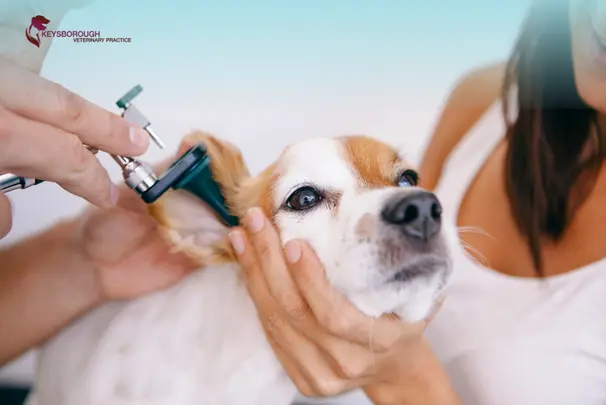
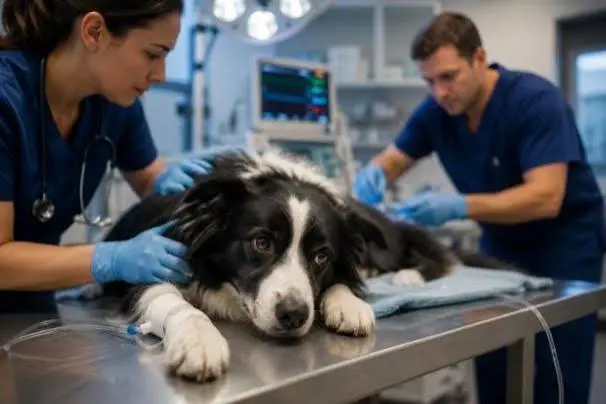
Pet Dental Cleaning Cost in Keysborough

Dental disease is one of the most common health problems seen in pets. According to the RSPCA, around 70 per cent of cats and 80 per cent of dogs show some level of dental disease by the time they are three years old. Yet it often goes unnoticed until it becomes painful.

This guide walks you through what a professional pet dental clean actually involves. We cover the main cost factors, what a typical dental procedure includes, and why choosing an experienced vet for dentistry in Keysborough makes such a difference to your pet’s long-term health.

Why Dental Health Matters for Pets

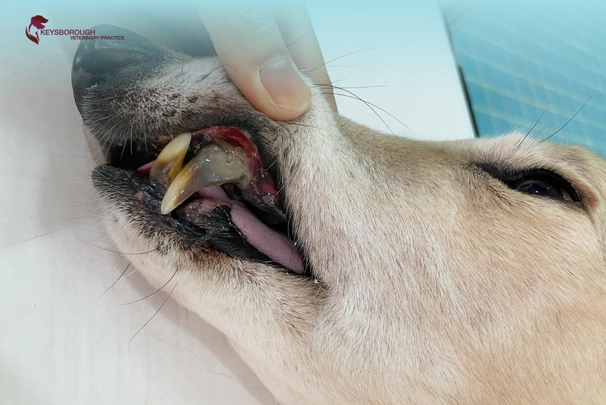
Dental disease is not just about bad breath. Left untreated, it can lead to infection, chronic pain, and tooth loss.

It can also affect more than the mouth. Bacteria from infected gums can enter the bloodstream. From there, it may settle in the liver or kidneys, and in some cases, affect the heart too. The Australian Veterinary Association reports that four out of five dogs and cats over the age of three show some grade of dental disease, which is why regular check-ups matter so much.

The market for pet dental care is also growing here in Australia, as more owners treat oral health as a routine part of pet care rather than an afterthought, according to Grand View Research. That shift reflects a wider understanding of just how much dental disease can affect a pet’s quality of life.

Watch for these common signs of dental disease in your dog or cat:

  • Bad breath that does not go away
  • Yellow or brown tartar builds up on the teeth
  • Reluctance to eat, or chewing on one side only
  • Drooling more than usual
  • Pawing at the mouth or face
  • Red, swollen, or bleeding gums

If your pet is showing any of these signs, it is worth booking a check-up sooner rather than later. Many Melbourne pet owners wait until symptoms are obvious, but early treatment is usually simpler and kinder to your pet.

What’s Included in a Professional Pet Dental Cleaning

A proper pet dental cleaning is a lot more than a quick scale and polish. Here is what a thorough dental procedure at a vet clinic usually involves.

Pre-anaesthetic health check and bloodwork

Before any anaesthetic, your vet will examine your pet and often recommend bloodwork. This checks organ function and helps confirm your pet is a safe candidate for anaesthesia. Our team has also written a separate guide on blood tests for pets if you would like to understand this step in more detail.

Anaesthesia

A pet dental clean requires general anaesthesia. This might sound daunting, but it is necessary for a safe and thorough job. Pets will not sit still with their mouth open, and a full check below the gumline simply is not possible while they are awake. Anaesthesia also means no pain or stress for your pet during the procedure.

Scaling and polishing

Scaling removes built-up plaque and tartar from the tooth surface, above and below the gumline. Polishing follows to smooth the tooth surface, which helps slow new plaque from forming as quickly.

Dental x-rays

Dental disease often hides below the gumline, where the naked eye cannot see it. An x-ray, or radiograph, lets your vet check the tooth roots and surrounding bone for problems that are not visible during a standard exam.

Extractions if needed

If a tooth is too damaged or diseased to save, extraction may be recommended. Your vet will always discuss this with you first and provide pain relief as part of the pet’s recovery plan.

What Affects the Cost of a Pet Dental Cleaning

The cost of a pet dental cleaning depends on several individual factors, including:

  • How severe the tartar build-up or dental disease is
  • Whether any extractions are needed
  • Your pet’s size, age, and overall anaesthetic risk
  • Whether pre-anaesthetic bloodwork is recommended

Bloodwork is an added cost, but it is a valuable one. It gives your vet a clearer picture of your pet’s health before anaesthesia, which supports a safer procedure overall.

General Cost Expectations

Costs for a pet dental cleaning vary quite a bit from one pet to the next. Every mouth is different, and the right treatment plan depends on what your vet finds during the initial consultation. The best way to get an accurate idea of cost is to contact our Keysborough clinic directly for a quote tailored to your pet.

Many Melbourne pet owners ask us for a fixed price up front, and it is a fair question. The honest answer is that a quote is only accurate once your vet has examined your pet and knows whether extractions or extra treatment are likely. A young, healthy dog with mild tartar will usually need less than an older cat with advanced dental disease and several teeth to remove.

You may come across cheaper “anaesthesia-free” dental options advertised elsewhere. These are best avoided. Without anaesthesia, a vet or veterinary nurse can only clean the visible surface of the tooth. Disease sitting below the gumline goes undetected and untreated, so the underlying problem is still there, just hidden from view.

Cost breakdown: what you are paying for

Service Component Why It’s Needed
Pre-anaesthetic consultation and bloodwork Confirms your pet is a safe candidate for anaesthesia and flags any health concerns early
Anaesthesia and monitoring Keeps your pet pain-free and still throughout the procedure, with a nurse tracking vital signs
Scaling and polishing Removes plaque and tartar above and below the gumline, then smooths the tooth surface
Dental x-rays Checks tooth roots and jaw bone for hidden disease not visible during a standard exam
Extractions (if required) Removes teeth too damaged or diseased to save, with pain relief included in the recovery plan
Post-procedure medication Supports healing and manages any discomfort after the clean

How to Prevent Costly Dental Problems

Good daily habits at home can go a long way toward preventing costly dental problems down the track. Here are a few simple ways to look after your pet’s teeth between check-ups:

  • Brush your dog or cat’s teeth a few times a week with a pet-safe toothpaste
  • Offer dental chews designed to help reduce plaque build-up
  • Ask your vet about dental-specific diets if your pet is prone to tartar
  • Book regular check-ups so small issues are caught before they need major treatment

Routine care at home, paired with regular veterinary check-ups, is the most reliable way to avoid expensive dental surgery later on. If you would also like a general overview of what a yearly check-up involves, our dog health check guide covers this in more detail.

Small daily habits add up. A quick brush most nights, a dental chew after dinner, and one solid check-up a year will do far more for your pet’s mouth than an expensive procedure every few years once disease has already set in. Prevention is almost always kinder and cheaper than treatment.

Why Choose Experienced Vet Dentistry in Keysborough

Not every pet dental cleaning is the same. Our approach puts safety first, with careful anaesthetic monitoring and a pain management plan built around your pet’s individual needs.

Our team also offers ongoing dental care advice, not just a one-off procedure. You can read more about our approach to pet dental care and surgery on our services page.

Being based locally in Keysborough means you are never far from the team looking after your pet’s health. We get to know your pet over time, which makes it easier to spot changes early and provide consistent, quality care.

For dog and cat owners across Keysborough and the wider Melbourne area, that ongoing relationship matters. Your vet and nurse already know your pet’s history, which makes every future appointment quicker and more accurate. It also means smaller dental concerns are far less likely to be missed.

Don’t Wait on Your Pet’s Dental Health

Dental disease can be easy to miss until it becomes painful for your pet. Booking a check-up early means smaller problems stay small.

Our team offers trusted vet dentistry in Keysborough, with a friendly, safety-first approach at every appointment. We will walk you through what we find, explain your options in plain language, and give you a clear picture of the treatment your pet needs.

Ready to look after your pet’s teeth? Book a dental check-up with our Keysborough team today.

FAQs

How often should pets have a dental cleaning

Most dogs and cats benefit from a professional clean once a year, though your vet may recommend a different schedule based on your pet’s individual needs.

Is anaesthesia safe for older pets

Yes, in most cases. Pre-anaesthetic bloodwork and careful monitoring during the procedure help manage any extra risk in senior pets.

How do I know if my pet needs a dental cleaning?

Bad breath, tartar build-up, and reluctance to eat are common signs. A vet check is the best way to confirm.

Does pet insurance cover dental cleaning

Some policies do, depending on the provider and plan. Check your policy or ask your insurer directly to confirm what is included.

What happens if dental disease is left untreated

It can lead to pain, infection, and tooth loss. In some cases, it may also contribute to heart or kidney disease.

How Often Should You Bathe Your Dog? A Vet’s Guide to Dog Bathing Frequency

If you’ve ever stood over a muddy Labrador wondering whether it’s time to wash your dog again, you’re not alone. Dog bathing is one of those everyday questions that Melbourne dog owners ask all the time, and the honest answer is: it depends. Bathe too often, and you strip your dog’s natural oils, leaving their skin dry and irritated. Bathe too little, and you’re looking at a build-up of dirt, odour, and potential skin issues.

So what’s the right bathing frequency for your dog? Let’s break it down properly.

The General Rule for How Often You Should Bathe Your Dog

For most dogs, a bath every four to six weeks is a reasonable starting point. But no hard and fast rule applies to every dog. Australia is home to approximately 6.4 million pet dogs, and with such a wide variety of breeds, coat types, and lifestyles, bathing your dog on a one-size-fits-all schedule just doesn’t make sense. 

Your dog’s bathing routine should be tailored to their individual needs, not a calendar. A good rule of thumb: if your dog smells, feels greasy, or has visible dirt in their coat, it’s probably bath time.

Key Factors That Influence How Often You Should Wash Your Dog

Understanding what shapes your dog’s bathing schedule helps you make smarter decisions for their health. Here are the main factors to consider:

Coat Type

Coat type is one of the biggest factors in determining how often you bathe your dog. Here’s a quick breakdown:

Coat Type Bathing Frequency
Short coat (Beagle, Boxer) Every 4 to 6 weeks
Double coat (Border Collie, Golden Retriever) Every 6 to 12 weeks
Curly or wool coat (Poodles, Oodle mixes) Every 4 to 8 weeks
Hairless breeds (Chinese Crested) Weekly or fortnightly

Double-coated breeds like Border Collies carry a water-repellent undercoat that insulates them from Australian heat and cold. Over-bathing these dogs can disrupt that natural insulation, causing discomfort and coat damage. Golden Retrievers and similar breeds with longer, dense fur generally benefit from less frequent bathing to preserve their coat’s natural protection. 

Activity Level

A dog that swims at the beach, runs through the bush, or rolls in the garden every weekend will obviously need more frequent baths than a lap dog that mostly lounges indoors. Activity level is a practical guide, and Melbourne’s parks and outdoor lifestyle mean plenty of dogs are getting mucky regularly.

Skin Conditions and Allergies

Skin infections and allergies were the number one health condition claimed for in Australian dogs in 2024, according to PetSure claims data, and were most prevalent in dogs aged one to eight years. Dogs with skin allergies, yeast infections, or conditions like atopic dermatitis often need medicated baths more regularly as part of their treatment plan. 

Atopic dermatitis alone affects an estimated 10 to 15 per cent of the canine population in Australia, making it one of the most common conditions vets treat. If your dog has a specific medical condition affecting their skin, your vet will give you a bathing schedule that works alongside their treatment. 

 Breed-Specific Grooming Needs

Some breeds have very different grooming needs. Terriers, for instance, have wiry coats that don’t pick up as much dirt and need less frequent bathing. Hairless breeds like the Chinese Crested, on the other hand, require regular cleaning because their exposed skin collects oils, saliva, and environmental allergens quickly. Golden Retrievers and Border Collies are popular in Melbourne, and each have their own specific bathing schedule.

Odour

Dog smell is a perfectly valid reason to bathe your dog. A strong odour that doesn’t go away after a brush is your cue that it’s time for a proper wash. Dogs that swim frequently or spend time in humid conditions may develop that familiar “wet dog smell” more often, which can also point to yeast overgrowth if it’s persistent.

Dogs That Need MORE Frequent Baths

Some dogs genuinely benefit from weekly or fortnightly bathing, including:

  • Dogs with skin allergies or atopic dermatitis
  • Dogs on a vet-prescribed medicated shampoo regimen
  • Hairless breeds without a protective coat
  • Dogs with oily skin or persistent yeast infections
  • Dogs that spend a lot of time outdoors in Melbourne’s warmer months
  • Dogs that swim regularly
  • Dogs are prone to skin infections

If your dog has allergies and needs frequent washing, always use hypoallergenic or medicated shampoos recommended by your vet. The wrong product can make things significantly worse.

Dogs That Need FEWER Baths

On the other hand, some dogs do perfectly fine with fewer baths, including:

  • Dogs with dry or sensitive skin (frequent bathing causes more dryness and irritation)
  • Short-coated breeds like Boxers that self-maintain reasonably well
  • Double-coated breeds, where the coat provides natural protection
  • Dogs with sensitive skin that reacts to bathing products
  • Older dogs or dogs with a specific medical condition that limits stress tolerance

For dogs with sensitive skin, sticking to every six to eight weeks is usually plenty.

Tips for Bathing Your Dog at Home

Good bath time habits make a real difference to your dog’s coat health and comfort. Here’s what the vets at Keysborough Veterinary Practice recommend:

  • Water Temperature: Always use warm water, not hot. Hot water can cause irritation and distress. Lukewarm water is comfortable and safe.
  • Shampoo Choice This is non-negotiable: never use human shampoo on your dog. Human products have a different skin pH from dogs and will disrupt the skin’s natural balance, causing dryness, irritation, and itching. Always use a dog-specific shampoo. If your dog has allergies or sensitive skin, look for hypoallergenic or medicated shampoos recommended by your vet.
  • Rinse properly. Rinse thoroughly. Shampoo residue left in the coat is a common cause of skin irritation and itching. Take your time, especially in skin folds or around the ears.
  • Drying Your Dog Completely Damp fur, particularly in skin folds or ear canals, creates the perfect environment for bacterial and yeast overgrowth. Dry your dog completely after every bath. A towel dry followed by a low-heat blow dry works well for most coat types. Pay special attention to the ears.
  • Ear Cleaning After bathing, gently dry the outer ear canal with a clean cotton ball. Never insert anything into the ear canal. Ear infections are one of the most common issues vets see after dogs are bathe,d and often come down to moisture being left behind.
  • Brushing Before and After Brushing your dog before a bath helps remove loose hair and prevents tangles from becoming worse when wet. Brushing your dog after a bath, once dry, helps with de-shedding, prevents matting, and keeps the coat looking its best. For dogs with longer coats, regular brushing between baths is just as important as the bath itself.

Dog Bathing Frequency by Coat Type: Quick Reference

Breed Examples Coat Type Recommended Bath Frequency
Boxer, Beagle Short coat Every 4 to 6 weeks
Golden Retriever, Border Collie Double coat Every 6 to 12 weeks
Poodle, Labradoodle, Groodle Curly/wool coat Every 4 to 8 weeks
Chinese Crested Hairless Weekly to fortnightly
Dogs with allergies or skin conditions Any coat As directed by your vet

Common Bathing Mistakes Dog Owners Make

Here are the most common grooming mistakes we see in Melbourne dog owners:

  • Bathing too often: over-bathing strips essential oils, leading to dryness, itching, and a dull coat
  • Using human shampoos: different skin pH means human products cause skin irritation in dogs
  • Not rinsing well enough: leftover shampoo residue causes irritation and itching
  • Skipping ear drying: moisture trapped in the ear canal after bathing is a leading cause of ear infections
  • Brushing a wet, tangled coat: always brush before bathing to avoid worsening tangles
  • Bathing in cold water: always use warm water to keep your dog comfortable

Over-Bathing: What It Actually Does to Your Dog’s Skin and Coat

Over-bathing is a real problem, especially for Melbourne dog owners who want to keep their pets clean and fresh. When you bathe your dog too frequently, you strip the natural oils from their coat and skin. Those oils are there for a reason. They protect the skin, keep fur shiny, and act as a first line of defence against allergens and bacteria.

Frequent bathing without veterinary guidance can cause:

  • Dry, flaky skin
  • Increased itching and irritation
  • A dull, brittle coat
  • Worsening of existing skin conditions
  • Greater susceptibility to skin infections

If you’re concerned about odour between baths, a quick brush or a spot clean with a damp cloth is usually enough to keep your dog fresh without disrupting their coat health.

When to See a Vet Instead of Bathing More

Bathing isn’t a fix for underlying skin conditions. If your dog is experiencing any of the following, book a vet appointment rather than increasing their bath frequency:

  • Persistent itching or scratching that doesn’t improve
  • Redness, rashes, or hot spots
  • Hair loss or bald patches
  • A strong odour even after bathing
  • Recurring skin infections or yeast infections
  • Skin that looks inflamed, crusty, or weepy

These signs can point to allergies, a fungal infection, or other conditions that need proper diagnosis and treatment. Regular bathing can form part of a treatment plan, but it’s not a substitute for veterinary care.

At Keysborough Veterinary Practice, our Melbourne team works with dog owners every day to create personalised skin and coat care plans, including bathing schedules, shampoo recommendations, and treatment for underlying conditions.

Professional Grooming: When It’s Worth It

Not every dog owner in Melbourne has the time, the setup, or the patience to bathe a large, wriggly dog at home. Professional grooming services offer much more than just a bath: they include trimming, brushing, nail care, ear cleaning, and specialised care for complex coat types.

For dogs with curly or wool coats like Oodles, professional grooming every four to eight weeks is often necessary to prevent matting and keep the coat healthy. For other breeds, a visit to the groomer every couple of months alongside regular home grooming is a great balance.

If you’re unsure of your dog’s grooming needs, a vet or groomer can give you a clear bathing schedule based on breed, coat type, and activity level.

Ready to Get Personalised Advice for Your Dog?

Every dog is different, and a good bathing routine is one that works for your dog’s individual coat type, health needs, and lifestyle. If you’re not sure how often to wash your dog, or if you’re seeing signs of skin irritation or infection, the team at Keysborough Veterinary Practice is here to help.

We see Melbourne dogs every day and love helping dog owners get their pets’ skin and coat health on track. Book an appointment today.

Frequently Asked Questions

How often should I bathe my dog if they have allergies?
Dogs with allergies often benefit from weekly baths using a vet-recommended medicated or hypoallergenic shampoo, but your vet will advise the right frequency based on your dog’s specific condition.

Can I wash my dog every week?
For most dogs, weekly washing is too frequent and will strip natural oils from the coat. However, some dogs with specific skin conditions may benefit from weekly baths under veterinary guidance.

What shampoo should I use on my dog?
Always use a dog-specific shampoo. Human shampoos have a different pH from dog skin and cause irritation. If your dog has skin issues, ask your vet about medicated or hypoallergenic options.

How do I know if I’m bathing my dog too often?
Signs of over-bathing include dry, flaky skin, increased itching, a dull coat, and skin irritation. If you’re noticing these symptoms, cut back on bathing frequency and speak to your vet.

Should I brush my dog before or after a bath?
Both. Brush before to remove loose hair and prevent tangles, and brush again once the coat is completely dry after the bath.

How Keysborough’s Climate Makes Regular Pet Wellness Checks Essential

If you live in Keysborough, you already know the summers are no joke. We’re talking 40-degree days, sticky humidity, and a spring season that brings out every flea and tick in the Greater Dandenong area. What you might not know is how much all of that is quietly affecting your pet’s health:  often before you notice a single sign of illness.

Around one in six cat and dog owners across Australia have deferred veterinary check-ups and vaccinations due to cost pressures. The Aus Vet Mag:  but here’s the thing: the longer you wait, the harder (and more expensive) things can get. Regular wellness checks aren’t just a box-tick. In a climate like Keysborough’s, they’re one of the most important things you can do for your beloved pet.

What Is a Pet Health Check, and What Does a Wellness Visit Actually Cover?

A wellness checkup is not the same as a sick visit. When you bring your pet in because something’s wrong, the vet is solving a problem. A wellness check is about getting ahead of those problems before they start, and that’s a very different thing.

At Keysborough Veterinary Practice, a standard health check covers:

.  Weight and body condition:  Is your pet carrying extra weight, or losing it without reason?

.  Teeth and dental health:  Dental disease is one of the most common and most overlooked health issues in Australian pets

.  Skin and coat:  Especially important in humid conditions where hot spots and fungal infections can develop fast

.  Heart and lungs:  Your vet listens for anything unusual, including early signs of heat-related stress

.  Eyes and ears:  Moisture-heavy summers are a common trigger for ear infections in dogs and cats

.  Blood pressure and hydration levels

.  Parasite screening:  Checking for fleas, ticks, and worms

.  Vaccination status:  Making sure your pet is up to date and protected

Most wellness visits take 20–30 minutes. You’ll leave knowing exactly where your pet stands, and your vet can flag anything that needs watching.

How Keysborough’s Climate Affects Pet Health:  What Every Responsible Pet Owner Should Know

Keysborough sits in Melbourne’s south-east, and while it’s not tropical, the local climate throws a surprising amount at our pets across the year. Here’s what to watch for season by season.

Summer (December – February): Heat, Dehydration, and Hot Pavements

Melbourne summers regularly push past 38–40°C, and Keysborough is no exception. Pets, especially dogs, can overheat very quickly. Heatstroke can set in within minutes, and it can be life-threatening.

What many pet owners miss is the subtler stuff. A dog that seems totally fine might actually be quietly dehydrated after a few hot days. Kidney stress from dehydration often shows no obvious signs early on, but it’s the kind of health issue that a vet can detect during a routine check before it becomes a serious problem.

A few other summer hazards to be aware of:

.  Hot pavement:  Bitumen can reach 70°C on a hot day and burn paw pads badly

.  Water quality:  Pets drinking from stagnant backyard water sources during summer face bacterial risks

.  Local wildlife:  Brown snakes and other reptiles are far more active during the warmer months in the Keysborough area, and snake bites in pets spike significantly over summer

Spring and Autumn: Flea Season, Ticks, and Grass Seeds

Fleas are one of the most common summer parasites in Australia, multiplying rapidly in warm weather, and once they’re in your home, they can be incredibly difficult to eliminate. oakleighcentralvet Spring and autumn are peak seasons, and Keysborough’s parks and reserves give fleas and ticks plenty of opportunity to find a new host.

The paralysis tick (Ixodes holocyclus) is found along the eastern coastal strip of Australia and is most abundant from August to March, with cases reported as far south as Melbourne in recent years. Pet Circle It’s worth talking to your vet about your pet’s risk level, especially if you walk dogs in bushland areas.

Grass seeds are another spring hazard that’s easy to miss. They can work their way into paws, ears, and skin, sometimes causing abscesses that need veterinary treatment.

Humidity: The Hidden Trigger for Skin and Ear Infections

Melbourne’s humidity, especially in late summer and autumn, creates ideal conditions for skin infections, ear infections, and fungal conditions in dogs and cats. If your pet is scratching more than usual, shaking their head, or developing patchy skin, humidity is often a contributing factor. These are the kinds of health changes that come up in a wellness check before they escalate.


What Vets Look for During a Seasonal Wellness Check:  and Why It Matters for Signs of Illness

A good vet doesn’t just run through a checklist. They’re reading your pet’s overall health status in the context of the season and your local environment. Here’s what a seasonal check at Keysborough Veterinary Practice typically focuses on:

.  Skin and coat condition:  Looking for flea dirt, allergic reactions, hot spots, or hair loss

.  Ear health:  Checking for moisture-related infections, common in humid months

.  Weight and hydration:  Pets can lose or gain weight seasonally; both matter

.  Heart and lung sounds:  Heat-related stress can show up here before other signs of illness appear

.  Parasite screening:  Fleas, ticks, intestinal worms, and heartworm are all active year-round in Keysborough

.  Dental health:  Dental disease affects the majority of pets over the age of three and is a major contributor to broader health problems. Ignoring dental health can lead to heart, kidney, and liver complications down the track

.  Vaccination status:  Keeping vaccinations current is especially important if your pet visits parks, kennels, or dog-friendly spaces in the Greater Dandenong area


How Often Should Keysborough Pets Visit the Vet? A Guide for Different Life Stages

Vet-recommended check-up frequency depends on your pet’s age and health conditions. Here’s a straightforward guide based on what veterinary care guidelines suggest:

.  Puppies and kittens: Visit the vet every 3–4 weeks until their vaccination course is complete, usually around 16 weeks of age. Early vet visits are critical for building immunity and catching any developmental issues early

.  Adult dogs and cats (1–7 years): A health check at least once a year is the standard recommendation. Dogs should visit the vet at least annually, even if they seem perfectly healthy

.  Senior pets (7+): Senior dogs and senior cats need regular vet visits every six months. At this life stage, health conditions can progress quickly, and early detection makes a real difference

It’s also worth noting that if you’re registering your pet with the Greater Dandenong Council, vaccination records are required:  another reason to keep your pet’s health checks per year on track.

The large majority of Australian cat (90%) and dog (96%) owners have vaccinated their pets at least once, Animal medicines australia, but staying current with boosters and annual health checks is what keeps that protection active.


Why Keysborough Pet Owners Shouldn’t Wait for Symptoms:  The Case for Preventive Care

This is honestly one of the most important points in this whole blog, so bear with us.

Pets are masters at hiding illness. Cats, especially, will hide illness until they really can’t anymore. By the time your pet is showing obvious signs of illness, the problem has often been brewing for a while. In Keysborough’s climate, this matters even more because climate-related health issues like dehydration, early kidney stress, skin infections, and flea allergy dermatitis can all be well underway before you notice anything different about your pet.

Here’s a real-world example: a healthy-looking dog in February. Active, eating well, drinking from the bowl. But after three weeks of 35°C+ days, that dog is quietly dehydrated. Kidney function is under stress. There are no outward signs, but a vet doing a wellness check would pick it up through a physical exam and ask about water intake and urination patterns.

Animal Medicines Australia has noted that delaying regular check-ups can mean pet health issues are not identified at an early stage, and that ensuring pets receive the right veterinary care is essential for their health and wellbeing. Animal medicines australia

A few common mistakes that lead to bigger problems:

.  Delaying the first vet visit for a new puppy or kitten:  early visits set the health baseline and get vaccinations started

.  Ignoring dental health:  dental disease is progressive and painful, and it doesn’t get better on its own

.  Skipping annual checks because the pet seems fine:  many health issues like organ disease and early cancer, show no external signs until they are advanced

Regular vet visits help detect health problems early, when they’re far more manageable. And beyond just saving money, early detection can genuinely save their life.

Australians are estimated to be spending over $21 billion annually to keep pets fed, healthy and well-accessorised. The Aus Vet Mag:  and yet, a significant portion of Australian pet owners are still deferring basic preventive care. Don’t let your pet be in that group.


Book a Pet Wellness Check at Keysborough Veterinary Practice

If it’s been a while since your pet has had a check-up, or if you’ve never quite got around to that first wellness checkup, now is a great time to sort it. The team at Keysborough Veterinary Practice understands the local climate and knows what to look for across every season in this part of Melbourne.

Whether you have a bouncy new puppy, a senior cat in their golden years, or an adult dog who seems perfectly healthy, regular veterinary care is one of the simplest things you can do to ensure your pet stays happy and healthy for the long haul.

Booking is easy. Call the pet clinic or book online, and the team will tailor the visit to your pet’s needs, age, and health history. Because every pet deserves to be in top shape, and every cat owner and dog owner in Keysborough deserves the peace of mind that comes from knowing their pet is looked after.


Frequently Asked Questions

How often should I bring my pet in for a health check?
Adult pets need at least one vet visit per year, while senior pets benefit from every six months. Puppies and kittens need regular vet visits every 3–4 weeks until their vaccinations are complete.

What’s the difference between a wellness check and a sick visit?
A wellness check is preventive:  your vet assesses your pet’s overall health status before problems arise. A sick visit is reactive, addressing a specific issue that’s already developed.

Does Keysborough’s climate really affect my pet’s health?
Yes. Heat, humidity, and flea season all create real health risks for dogs and cats in this area. Regular health checks help catch climate-related issues like dehydration and skin infections early.

My pet seems fine:  do they still need regular check-ups?
Absolutely. Pets hide illness well, and many health conditions show no obvious signs until they’re advanced. That’s exactly why preventive care matters.

What vaccinations does my pet need?
Your vet will recommend a vaccination schedule tailored to your pet’s age and lifestyle. Keeping vaccinations current is also a requirement for pet registration with the Greater Dandenong Council.

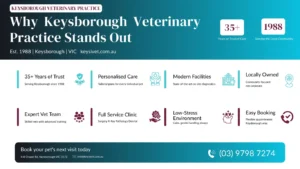
What Makes Keysborough Veterinary Practice Different from Other Vet Clinics

Keysborough Veterinary Practice is a locally owned, experienced veterinary clinic that puts your pet first:  every single visit. With a dedicated team, personalised care, and a wide range of veterinary services, this practice stands out by treating every pet like family. From routine check-ups to complex procedures, they make every vet visit as smooth and stress-free as possible for you and your furry friends.

As of 2025, Australia’s pet population has grown to an estimated 31.6 million, with 73% of households owning at least one pet:  up from 61% before the pandemic. (Animal Medicines Australia, 2025)

So what really makes us different?

1. Over 35 Years of Trusted Veterinary Care in Keysborough

Serving the Local Community Since 1988

When it comes to finding a trusted vet in Keysborough, experience matters. Keysborough Veterinary Practice has been serving the local pet community since 1988:  that’s over 35 years of compassionate care, built one family at a time. For many locals, this isn’t just a vet clinic they’ve stumbled across online. It’s the place they’ve been bringing their pets for generations.

The team here genuinely understands the bond between pet owners and their beloved pets. They know your pet’s name, their history, and what makes them tick. That kind of familiarity is rare in the veterinary industry, and it’s something this practice takes real pride in.

Strong Reputation Built on Trust and Results

Word travels fast in tight-knit communities like Keysborough and the surrounding suburbs. This practice has earned its reputation the old-fashioned way:  by showing up, doing the job well, and caring about the outcome. Clients and their pets keep coming back, not just because it’s convenient, but because they trust the team to do right by their animals.

Did you know? Veterinarian services are the most widely used pet care service in Australia, with 64.8% of pet owners relying on a vet for their pet’s health and well-being. (TGM Research, 2024)

2. Experienced and Highly Qualified Veterinary Team

Skilled Veterinarians with Advanced Training

The experienced team at Keysborough Veterinary Practice includes experienced veterinarians who bring a broad and deep level of expertise to every consultation. Whether your pet needs a routine vaccination, a complex surgical procedure, or a second opinion, you can count on knowledgeable vets who know what they’re doing.

This isn’t a revolving door of locum staff. The team here has genuine expertise, and they actually like animals. That might sound like a small thing, but you notice the difference immediately when you walk through the door.

Commitment to Continuing Education

The veterinary industry is always evolving, and the team at Keysborough Veterinary Practice keeps up with it. Vets and nurses regularly invest in professional development and continuing education to stay current with the latest treatments, techniques, and standards of care. This commitment means your pet benefits from up-to-date knowledge and best practice care.

Compassionate and Gentle Handling

Pets pick up on stress quickly, and so does anyone who loves them. The team here is trained in gentle handling techniques that reduce anxiety and keep your pet as calm as possible. Whether you’ve got a nervous rescue dog or a feline who hates carriers, the staff here knows how to read an animal and respond with care. This is one of the things that genuinely sets this practice apart.

3. Personalised Care for Every Pet

Tailored Treatment Plans Based on Individual Needs

No two pets are the same, and Keysborough Veterinary Practice doesn’t treat them that way. Every animal that comes through the door receives personalised care and attention based on their unique health history, lifestyle, and needs. Whether it’s a kitten getting their first check-up or a senior dog managing a chronic condition, treatment plans are built around the individual:  not a one-size-fits-all approach.

The team also takes the time to educate pet owners on what’s happening with their pet’s health, so you’re never left guessing or confused. They’ll walk you through everything clearly and honestly.

Focus on Preventive Care and Long-Term Health

Preventive care is at the heart of how this practice operates. The focus isn’t just on treating illness:  it’s on keeping your pets healthy in the first place. That means regular wellness care, parasite control, dental care, vaccination schedules including annual boosters, and ongoing monitoring to keep your pet’s health on track. It’s a proactive approach that saves a lot of heartache (and stress) down the line.

4. Comprehensive Veterinary Services in One Location

Preventive and Wellness Services

From wellness check-ups to vaccination programmes, Keysborough Veterinary Practice offers a full range of veterinary services under one roof. Pet owners in the area have access to everything from routine wellness visits and preventive care consultations to nutrition advice and weight management support.

. Vaccination and annual boosters

.  Parasite control (fleas, ticks, worms)

.  Wellness care plans

.  Routine check-ups

.  Microchipping and registration

Advanced Diagnostic Services

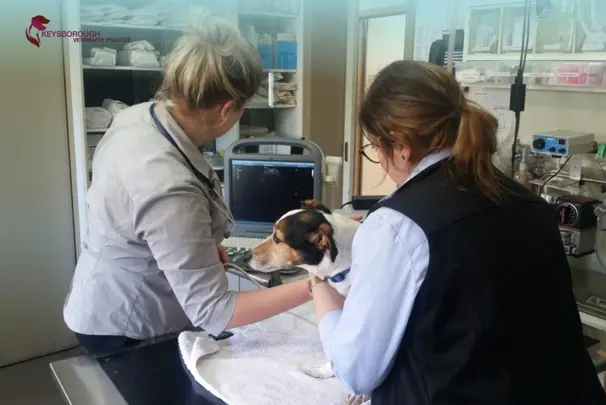
When something isn’t quite right with your pet, getting answers quickly matters. The clinic is fully equipped with state-of-the-art diagnostic tools to help the team identify and understand what’s going on:  without unnecessary delays or referrals to outside facilities.

.  Digital X-rays

.  In-house blood testing

.  Ultrasound

.  Urinalysis and pathology

Surgical and Dental Services

For pets that need more than a consultation, the practice offers surgical and dental services, including dentistry, desexing, soft tissue surgery, and orthopaedic surgery. These procedures are carried out by skilled surgeons in a well-equipped facility, with full anaesthetic monitoring and dedicated nursing support throughout.

.  Soft tissue surgery

.  Orthopaedic surgery

.  Dentistry and dental care

.  Desexing

Urgent and Emergency Care

Sometimes things happen unexpectedly. Keysborough Veterinary Practice understands that not every vet appointment is planned, and the team is experienced in managing emergency presentation situations with efficiency and calm. If your pet needs urgent care, the team responds with the same professionalism and compassion they bring to every visit.

5. Modern Veterinary Facilities and Technology

Fully Equipped Clinic

Keysborough Veterinary Practice is a state-of-the-art veterinary clinic fitted with modern equipment across all areas of care. From the consultation rooms through to the surgical suite, everything is set up to support high-quality, safe, and effective care for your pet.

On-Site Diagnostic Testing

One of the practical advantages of this clinic is the on-site diagnostic testing, which means results are available faster and treatment can begin sooner. On-site labs support blood tests, urinalysis, and more:  cutting out the waiting time that comes with sending samples to external labs.

Veterinary services account for 14% of Australia’s estimated AU$33 billion annual pet expenditure, confirming just how central vet care is to responsible pet ownership. (RSPCA Australia)

6. Low-Stress and Pet-Friendly Environment

Calm and Comfortable Clinic Environment

Let’s be real:  most pets don’t love the vet. The team at Keysborough Veterinary Practice knows this, and they’ve designed the clinic environment with that in mind. The space is calm, clean, and arranged to reduce the stress that often comes with a trip to the vet.

The goal is to make the vet as positive an experience as possible for your pet and for you. Because when your pet is relaxed, the whole visit goes better for everyone.

Gentle Handling Techniques

Gentle handling is a non-negotiable here. The nurses and receptionists are committed to making every interaction with your pet a positive one, whether that’s a reassuring pat during a blood draw or giving a nervous cat a moment to settle before their exam. The team is committed to making your trip to the vet feel less like a chore and more like a genuinely supportive experience.

This approach is especially appreciated by pet owners whose animals have had difficult vet experiences in the past, and it’s one of the most common things clients mention when describing what separates Keysborough Veterinary Practice from the vets I’ve been to before.

7. Locally Owned, Family-Oriented Veterinary Practice

Strong Connection with the Keysborough Community

Keysborough Veterinary Practice isn’t a large corporate chain. It’s a locally owned, family-oriented practice with deep roots in the community. The team genuinely cares about south pets and the families who bring them in:  because these are their neighbours, their community members, and their friends.

This kind of connection makes a real difference. Decisions are made with the best interests of the local pet community in mind:  not driven by profit targets or corporate policies.

Personalized Customer Service

From the moment you walk in or call to book, you’re treated like a person, not just a number. The receptionists are committed to making your experience easy, whether that’s handling pet queries over the phone, supporting counter service, or following up after a procedure. Both phone service and face-to-face care are handled with professionalism and warmth.

The team is focused on building long-term relationships with our clients, so every interaction is an opportunity to strengthen that trust.

8. Convenient and Accessible Veterinary Care

Easy Appointment Booking

Getting a vet appointment at Keysborough Veterinary Practice is simple. The team offers flexible booking options so you can find a time that suits your schedule. They’re also happy to answer pet queries before your visit, so you come in prepared, and your pet’s needs are understood from the start.

This kind of good pet veterinary service extends to follow-up car,e too:  the team checks in and makes sure you feel supported after every visit.

Accessible Location for Keysborough and Nearby Suburbs

Conveniently located and offering convenient access for families across the region, the clinic is a go-to for pet owners in Keysborough, Dandenong South, Clayton South, Braeside, Mordialloc, and beyond. If you’re looking for exceptional veterinary care without travelling across Melbourne, this practice is right in your backyard.

The convenient location means less travel stress for your pet, and for you:  making it easy to keep up with routine and preventive care appointments throughout the year.

What Makes Keysborough Veterinary Practice Different from Other Vet Clinics

Book Your Pet’s Next Visit Today

Whether you’ve got a new kitten, a senior dog, or anything in between, Keysborough Veterinary Practice is here to provide the compassionate care your pet deserves. From exceptional veterinary services to genuine, personal connections, this is a practice that goes beyond the basics.

Enquire today and find out why so many families across Keysborough and the surrounding suburbs keep coming back. Your pet’s health is in good hands here, and that’s not something we take lightly.

Frequently Asked Questions

What makes Keysborough Veterinary Practice unique?
It’s locally owned, has been serving the community since 1988, and offers personalised care backed by experienced veterinarians:  not a one-size-fits-all approach.

How is Keysborough Veterinary Practice different from other vet clinics?
The combination of over 35 years of experience, a compassionate team, state-of-the-art facilities, and genuine community ties sets this practice apart from larger, corporate-run clinics.

Why choose a local vet in Keysborough?
A local vet knows your pet, your family, and your community. That continuity of care makes a real difference, especially for pets with ongoing health needs.

What services are available at Keysborough Veterinary Practice?
The clinic offers a full range of veterinary services, including wellness check-ups, vaccinations, dentistry, orthopaedic surgery, diagnostics, parasite control, and emergency care.

How experienced is the veterinary team?
The team includes experienced veterinarians with advanced training and a strong commitment to continuing education, so your pet always gets current, evidence-based care.


Why Keysborough Pet Owners Choose Keysborough Veterinary Practice

If you’re looking for a reliable vet in Keysborough, Keysborough Veterinary Practice has been caring for the pets of local families since 1988. From routine check-ups to advanced diagnostics, this locally owned clinic offers comprehensive veterinary services with a genuine focus on keeping your pet healthy and happy.

According to Animal Medicines Australia’s 2025 Pets in Australia report, Australia’s pet population has grown to 31.6 million, with 73% of households now owning at least one pet:  up from 69% in 2022. Clearly, Australians love their animals, and finding the right vet matters more than ever. So here’s why Keysborough’s pet owners choose us: 

1. Experienced and Compassionate Veterinary Team

This means:

Highly Qualified and Skilled Veterinarians

At Keysborough Veterinary Practice, you’ll find vets who actually like animals, and it shows. The team is made up of highly trained professionals who genuinely care about the pets they treat. Whether it’s a nervous rescue dog or an elderly cat coming in for a routine check-up, every patient gets the same level of attention and skill.

Nicole and the wider team bring years of hands-on experience across a broad range of pet health concerns. From everyday wellness visits to more complex cases, you can trust that your pet is in good hands.

Gentle and Low-Stress Handling Approach

We know that a trip to the vet can be stressful for both pets and their owners. That’s why the team at Keysborough Veterinary Practice works hard to make every vet visit as calm and comfortable as possible. They use gentle handling techniques designed to keep your pet comfortable throughout every appointment.

The goal is to make visiting the vet as positive an experience as possible for the whole family, and that starts the moment you walk through the door.

Friendly and Supportive Staff

It’s not just the vets that make this clinic special. The nurses and receptionists are committed to making your visit a smooth one, from the moment you call through to when you leave. Whether it’s the phone service or counter service, you’ll always be greeted warmly and given clear, helpful answers to your pet queries.

2. Comprehensive Veterinary Services in Keysborough

Our services include:

Preventive Care and Wellness Services

Prevention is at the heart of good pet veterinary care. Keysborough Veterinary Practice offers a full range of wellness care services designed to catch health issues before they become serious problems. This includes routine check-ups and vaccinations, parasite prevention, nutrition advice, and general wellness checks to keep your pet in top shape.

1. Routine check-ups and health assessments

2. Vaccination programs tailored to  your pet’s lifestyle

3. Parasite prevention (fleas, ticks, worms)

4. Weight management and nutrition advice

5. Microchipping and desexing

Regular check-ups are the simplest way to stay on top of your pet’s health. Most vets recommend at least one wellness check per year for adult pets, and more frequently for seniors or those with ongoing conditions.

Advanced Diagnostic Services

When something doesn’t seem right with your pet, fast and accurate answers make all the difference. The clinic is equipped with state-of-the-art on-site diagnostic services, including digital X-rays, ultrasound, and in-house pathology. Advanced diagnostics mean less waiting and quicker treatment for your pet.

Surgical and Dental Care

From desexing and soft tissue surgeries to dental cleans and extractions, Keysborough Veterinary Practice handles a wide range of surgical procedures in a safe, well-equipped environment. Dental health is a big part of overall pet health, and it’s something many owners overlook until it becomes a real problem.

Urgent and Emergency Veterinary Care

Sometimes things don’t go to plan. Whether your pet has had an accident or you’re worried about sudden changes in behaviour or health, the team is here to help. Knowing when your pet needs to see a vet immediately can make all the difference, and having a trusted local vet you can call gives you real peace of mind.

3. Locally Owned and Trusted Since 1988

With this many years of experience, we are dedicated to:

Serving Keysborough and the Surrounding Suburbs

Keysborough Veterinary Practice has been part of the local community for decades. The clinic proudly serves pet owners across Keysborough and the surrounding suburbs, including Dandenong South and Clayton South. When you choose a local vet who knows the area, you’re choosing someone who understands your community and genuinely cares about the families in it.

Family-Owned Veterinary Clinic

This isn’t a corporate chain. Keysborough Veterinary Practice is a family-owned business, and that makes a real difference in how they operate. You’re not just a number here:  you’re a valued client whose pets are cherished members of your family, and the team treats them that way.

4. Modern Facilities and Advanced Technology

As the world evolves, so do our services. You can therefore expect;

Fully Equipped Veterinary Clinic

Keysborough Veterinary Practice is a fully equipped vet clinic offering care and advanced treatments that you’d expect from a top-quality facility. The practice has invested in modern technology to make sure your pets receive the best possible care right here in Keysborough, without having to travel far for specialist services.

On-Site Diagnostic Services

Having advanced diagnostics on-site means the team can assess, diagnose, and begin treatment faster. Vaccinations to advanced diagnostics:  it’s all handled in one place, by a team that knows your pet.

5. Personalized Care for Every Pet

We believe in individual care as every pet has very personal needs:

Tailored Treatment Plans

Every pet is different. That’s why the team takes the time to tailor treatment plans to suit the unique needs of each individual animal. Whether your pet needs a simple vaccination or ongoing management of a chronic condition, the care is always tailored to your pet’s specific situation.

This personalised care approach means Nicole and the team get to know your pet over time:  tracking their health history and adjusting their care as they grow and change.

Focus on Long-Term Pet Health

Maintaining your pet’s health is a long-term commitment, and Keysborough Veterinary Practice is right there with you for the journey. From puppy and kitten vaccinations through to senior pet wellness care, the team is committed to providing the highest standard of veterinary care at every life stage.

According to the RSPCA Australia, veterinary services represent 14% of all pet-related spending in Australia:  a clear sign that Australians understand the value of proper pet health care.

6. Convenient and Accessible Veterinary Services

Easy Appointment Booking

Booking a vet appointment at Keysborough Veterinary Practice is straightforward. You can call the clinic, enquire online, or drop in:  whatever works best for you. The team will work with your schedule to find a time that suits.

Convenient Location for Keysborough Pet Owners

Located right in the heart of Keysborough, the clinic is easy to get to for locals across the area. No long drives, no hassle:  just good, reliable vet service close to home.

7. Strong Reputation and Trust in the Keysborough Community

Trusted by Local Pet Owners

Word travels fast in a tight-knit community, and Keysborough Veterinary Practice has built a reputation that speaks for itself. Pet owners who have visited the clinic often share experiences like:

“The care my dog received was outstanding:  I wouldn’t take her anywhere else. Nicole and the team are some of the best vets I’ve ever dealt with. They’re one of the rare vets I’ve actually liked animals through and through.”

“They provided amazing care when our cat was seriously unwell. From the phone service to the counter service and every step in between:  five stars.”

The clinic’s commitment to exceptional veterinary care and genuine compassion has made it a trusted veterinary name in the local area.

Commitment to High-Quality Veterinary Care

Keysborough Veterinary Practice is committed to providing the highest standard of care for every pet that walks through its doors. The team is committed to providing exceptional veterinary care and advanced treatments that meet the diverse needs of your pets:  whether it’s a quick check-up and vaccination or a complex surgical procedure.

This is what an outstanding veterinary practice looks like in action.

 Why Choosing the Right Vet in Keysborough Matters

Pets are part of the family. And like any family member, they deserve care and attention from someone who genuinely knows what they’re doing and cares about their well-being. Australia’s pet population has now reached 31.6 million across 73% of Australian households, according to Animalmedicinesaustralia, and the demand for quality veterinary services has never been higher.

Choosing a trusted vet in Keysborough isn’t just a practical decision:  it’s one of the most important things you can do for the health and well-being of your pet. Keysborough Veterinary Practice – vet service built on decades of experience, local knowledge, and genuine compassion for animals- is here to help every step of the way.

Whether your pet needs routine check-ups and vaccinations or advanced diagnostics and surgical care, this is a practice that offers comprehensive and compassionate care under one roof. The clinic is committed to helping you ensure your pets receive the best possible care, every single visit.


Ready to book? Contact us today:  enquire today and let the team at Keysborough Veterinary Practice take care of the ones who matter most.

Frequently Asked Questions

How do I choose the best vet in Keysborough, VIC?
Look for a vet who is experienced, locally based, and genuinely invested in your pet’s long-term health. Keysborough Veterinary Practice ticks all those boxes: it’s been serving the local community since 1988, providing trusted, compassionate care.

How often should I take my pet to a vet in Keysborough?
Most healthy adult pets should have at least one wellness check per year. Puppies, kittens, senior pets, and those with ongoing health conditions may need more frequent visits. Your vet will advise what’s right for your pet.

Why are regular vet checkups important for pets?
Routine check-ups help catch health issues early, before they become serious. They also keep vaccinations up to date and give your vet a chance to track any changes in your pet’s health over time.

How do I know if my pet needs to see a vet immediately?
Signs that need urgent attention include difficulty breathing, collapse, severe vomiting or diarrhoea, suspected poisoning, serious injury, or sudden changes in behaviour. If you’re unsure, call the clinic:  it’s always better to check.

What services does Keysborough Veterinary Practice provide?
The practice offers a full range of veterinary services, including vaccinations, wellness care, advanced diagnostics, surgery, dental care, and urgent care for pets across Keysborough and the surrounding suburbs.

Why Keysvet Is a Trusted Veterinary Clinic in Keysborough

KeysVet has been a trusted vet clinic in Keysborough and the surrounding suburbs since 1988. Our experienced veterinary team provides compassionate, high-quality care for all your beloved pets,  from routine checkups and vaccinations to urgent and emergency presentations. We’re here for every stage of your pet’s life. 

Did you know that 73% of Australian households owned a pet as of March 2025,  up from 61% pre-pandemic,  with an estimated 31.6 million pets across the country. (Animal Medicines Australia, Pets in Australia 2025)

Commitment to Compassionate Pet Care

At KeysVet, the care of your pet starts before you even walk through the door. The whole team,  from the veterinarian and nurse through to the receptionist,  genuinely loves animals, and it shows in every single interaction.

Whether you’re coming in for a routine checkup or you’re anxious about something more serious, you’ll always be welcomed with warmth and kindness. That’s not just a saying here,  it’s the standard.

The team understands that for many families, a pet isn’t just an animal. They’re a fur baby,  a beloved member of the household. That’s exactly the level of care and compassion KeysVet brings to every appointment.

Comprehensive Veterinary Services in Keysborough

KeysVet is proud to offer a range of veterinary services that cover everything from everyday wellness care to complex medical treatments. As a well-established Keysborough veterinary practice, we’re equipped to handle the full spectrum of your pet’s healthcare needs.

Here’s a look at what we offer:

  •       General health examinations and wellness checkups
  •       Vaccination programs ,  keeping your pet protected year-round
  •       Dental care and oral health assessments
  •       Surgical procedures ,  routine and complex
  •       Parasite prevention and treatment
  •       Senior and old age pet care
  •       Pre-purchase health assessments
  •       Nutritional and dietary guidance

Whether you’ve got a puppy in for their first vaccination or a senior cat needing an old age workup, the KeysVet team treats every visit with the same level of care and attention.

Experienced and Caring Veterinary Team

When it comes to choosing a vet, experience matters. KeysVet has been providing exceptional veterinary care to Keysborough and the surrounding suburbs since 1988,  and that kind of history speaks for itself.

The team includes dedicated veterinarians, experienced nurses, and friendly receptionists who are all committed to making your trip to the vet as positive an experience as possible for the whole family,  both the 2 and 4-legged members.

Dr Nicole and the rest of the dedicated team bring not just clinical knowledge but genuine love for animals and sincerity to every interaction. You’ll notice it the moment you step in,  from the reception desk to the consultation room.

Dr Nicole is one of the familiar faces you might meet, known for her attentive, thorough approach to animal care and her ability to put both pets and their owners at ease.

Modern Diagnostic & Treatment Facilities

Good care starts with good tools. KeysVet is equipped with modern diagnostic and treatment facilities that allow our vets to assess and treat your pet quickly and accurately, right here in Keysborough ,  without the need to travel further across Melbourne.

Our clinic facilities include:

  •       In-house diagnostic laboratory for fast, accurate results
  •       Digital X-ray and imaging technology
  •       Modern surgical suites for safe, sterile procedures
  •       Dental equipment for thorough oral health care
  •       Monitoring equipment to keep your pet safe during procedures

Having access to this level of technology means your vet can make well-informed decisions quickly,  which is especially important during an emergency presentation when time is critical.

Focus on Preventive & Long-Term Health

One of the things that sets KeysVet apart as a good pet veterinary practice is the emphasis on prevention. Because let’s be honest,  keeping your pet healthy from the start is far better than dealing with avoidable issues down the track.

Regular vaccination schedules, parasite prevention, dental checks, and wellness care,  these are the building blocks of a long, healthy life for your pet. The team at KeysVet takes a thorough approach to preventive healthcare, and they take the time to explain what your pet needs and why.

According to PetSure’s 2024 pet health survey, over 21% of Australian pet owners reduced routine preventive care appointments due to rising costs. (PangoVet)

At KeysVet, the team works with you to ensure your pet gets the care they need,  and they’re always happy to discuss your options and what’s best for your specific situation.

Reliable Support During Urgent Situations

Pets don’t stick to business hours when they’re unwell, and neither does KeysVet’s commitment to your furry friends. When something unexpected happens, you need a clinic you can rely on.

KeysVet understands that an emergency is stressful for both you and your pet. That’s why we do our best to accommodate urgent cases and emergency appointments whenever possible. The team responds quickly and calmly, providing clear guidance from the moment you call through to treatment.

If you’re ever unsure about the severity of what your pet is experiencing, don’t hesitate to call. The team can help you assess the situation over the phone and advise whether you need to come in straight away or book a regular appointment.

Clear Communication & Transparent Advice

One of the most common things people say about KeysVet is how easy the team is to talk to. You’ll never feel rushed, confused, or talked down to here.

The nurses and receptionists are committed to making every visit as smooth as possible. Whether it’s answering your pet queries over the phone, walking you through treatment options, or helping you book your next vet appointment, every interaction is handled with patience and clarity.

The clinic prides itself on its great service,  both in terms of the medical care provided and the experience of visiting. The phone service and counter service are just as important to us as what happens in the consult room.

Transparent advice means you’ll always understand what’s going on with your pet,  and you’ll always have the information you need to make confident, informed decisions about their healthcare.

A Trusted Name in the Keysborough Community

Providing veterinary care to Keysborough and the surrounding suburbs since 1988 means KeysVet has grown alongside this community. We’ve cared for pets across generations of local families,  and that kind of trust isn’t built overnight.

Clients describe their experiences as an amazing experience,  often returning year after year because they know their pets are in safe hands. Reviews regularly highlight the attentive, compassionate approach of the whole team and the genuine value they receive from every visit.

Whether you’re a long-time local or new to the area, you’ll quickly understand why so many families choose KeysVet as their go-to vet clinic in Keysborough.

Ready to Book? Give Your Pet the Care They Deserve. Call KeysVet today or book your appointment online. Our friendly team is ready to help,  because your pet’s health is always worth it.

Frequently Asked Questions

Why is KeysVet considered a trusted veterinary clinic in Keysborough?

KeysVet has been providing quality veterinary care to local pet owners since 1988. The clinic is known for its compassionate team, thorough approach to pet health, and outstanding veterinary practice standards. Clients consistently highlight the friendly, attentive service from every team member ,  from the receptionist to the veterinarian.

Does KeysVet treat both dogs and cats?

Yes,  KeysVet offers a full range of veterinary services for both dogs and cats, as well as other small animals. Whether it’s a routine vaccination, a dental check, or an emergency, our vets and nurses are experienced in caring for all kinds of beloved pets.

Does KeysVet offer urgent or same-day appointments?

KeysVet does its best to accommodate emergency and urgent cases. If your pet needs immediate attention, call the clinic directly, and the team will advise you on the best course of action. For non-urgent matters, bookings can be made by phone or online.

How can I book an appointment with KeysVet in Keysborough?

You can book a vet appointment by calling the clinic directly or through the online booking system on the KeysVet website. The friendly receptionists are happy to assist with any questions and help find a suitable time for you and your pet.

How Often Should You Take Your Pet to the Vet in Keysborough?

Most healthy adult pets should visit the vet at least once a year for routine check-ups and vaccinations. However, puppies and kittens need more frequent visits, typically every 3-4 weeks until they’re about 16 weeks old. Senior pets and those with health concerns often require more frequent visits, usually every six months. Keysborough’s warmer climate also means your pet may need extra vet visits during summer months for flea and parasite prevention, making regular veterinary care essential to keep your pet healthy.

According to recent data, 89% of Australian dogs and 75% of cats visited a vet in the past year, with check-ups and vaccinations being the most common reasons. Additionally, a 2025 University of Sydney study found that dogs face increased health risks when temperatures exceed 25°C, highlighting why regular vet visits are particularly important in our local climate.

How Keysborough’s Climate Impacts Pet Health

Living in Keysborough means your pet experiences Victoria’s variable weather, hot summers, mild winters, and everything in between. Our local climate creates specific health challenges that affect how often your pet should visit the vet.

Summer heat risks:

  • Heat stress and dehydration become serious concerns when temperatures climb
  • Research shows a 10% higher likelihood of death in dogs on extreme temperature days over 32°C
  • Hot pavements can burn paw pads, requiring veterinary attention
  • Increased parasite activity means more flea, tick, and heartworm concerns

Warmer months also bring:

  • Higher risk of skin infections and allergies
  • More outdoor time means greater exposure to parasites
  • Dehydration and heat-related illness requiring emergency vet care

These climate-specific factors mean maintaining your pet’s health requires vigilance and partnership with your local vet clinic. Regular veterinary visits help identify and address any health concerns before they escalate.

How Often Should Healthy Adult Pets Visit a Vet?

For most healthy adult dogs and cats, one comprehensive vet visit per year is the baseline recommendation. This annual check-up typically includes:

  • Physical examination to assess your pet’s overall health
  • Vaccination boosters to keep your pet protected
  • Dental assessment to prevent dental disease
  • Weight and body condition evaluation
  • Discussion of behaviour changes or concerns
  • Parasite prevention planning

Your vet will give your pet a thorough once-over, checking everything from their teeth to their tail. These visits are an important part of responsible pet ownership because they help your vet identify potential health issues early, often before you’d notice any symptoms at home.

Some pet owners schedule their annual visit around the same time each year (like their pet’s birthday) to make it easier to remember. Pet insurance often covers routine veterinary care, making regular vet visits more affordable.

Vet Visit Schedule for Puppies & Kittens

Young pets need substantially more frequent visits than adult animals. Here’s what to expect when you bring home a new pet:

First 16 weeks:

  • Puppies and kittens should see a vet every 3-4 weeks
  • Multiple vaccination rounds are essential
  • Each visit includes a physical examination and health check
  • Your veterinarian will discuss nutrition, training, and care for your pets

Why young pets often require more attention:

  • Their immune systems are still developing
  • They need check-ups and vaccinations on a specific schedule
  • Growth monitoring helps ensure they’re developing properly
  • Early socialisation and behaviour guidance sets them up for success

A puppy or kitten’s first year is crucial for preventing disease and establishing healthy habits. These frequent visits help your vet track your pet’s development and ensure your pets receive proper care from the start.

Senior Pets and More Frequent Vet Visits

As pets age, their healthcare needs change. Senior pets (generally dogs and cats over 7-10 years old, depending on breed and size) typically require more frequent visits to monitor age-related health changes.

Recommended schedule for senior pets:

  • Twice-yearly visits (every six months)
  • More comprehensive physical examinations
  • Blood work and diagnostic testing to catch issues early
  • Monitoring for common conditions like arthritis, dental disease, and organ function changes

Why senior pets need extra attention:

  • Age-related issues develop more quickly
  • Early detection of problems significantly improves treatment outcomes
  • Chronic conditions require regular monitoring
  • Pain management for conditions like arthritis needs adjustment over time

According to veterinary healthcare data, Australian pet owners increasingly prioritise their animals’ wellbeing, with veterinary services accounting for 14% of annual pet expenditure. This investment in preventative care helps keep senior pets comfortable and healthy.

Your vet may require more frequent visits if your older pet develops specific health concerns. Regular veterinary visits allow vets to monitor chronic conditions and adjust treatments as needed, ensuring optimal health throughout your pet’s golden years.

Seasonal Vet Visits in Keysborough

Keysborough’s seasonal changes mean your pet may benefit from timing certain vet visits strategically throughout the year.

Summer & Warmer Months

The warmer months bring specific challenges that may need extra vet attention:

Schedule a pre-summer check-up to:

  • Ensure flea, tick, and heartworm prevention is current
  • Assess your pet’s weight (carrying extra kilos makes heat management harder)
  • Get advice on keeping your pet comfortable during hot weather
  • Check for any skin issues before the heat intensifies

Many pet parents book an appointment in late spring, before the real heat kicks in. This proactive approach helps prevent problems rather than just treating them after they develop.

Cooler Months

Winter in Keysborough is milder than in many places, but it still presents concerns:

Consider a winter wellness visit to:

  • Address any arthritis concerns that worsen in cooler weather
  • Check on weight gain from reduced activity
  • Ensure your pet’s coat is in good condition
  • Discuss joint health supplements if needed

For pets with arthritis or other age-related issues, the cooler months can be tougher. A check-up helps ensure your furry friend stays healthy and happy year-round.

When Your Pet May Need Extra Vet Visits

Beyond routine health checks, certain situations signal it’s time to take your pet to the vet sooner than scheduled:

Contact your veterinary practice immediately if your pet shows:

  • Sudden behaviour changes or lethargy
  • Loss of appetite lasting more than 24 hours
  • Vomiting or diarrhoea
  • Limping or difficulty moving
  • Excessive panting or breathing difficulties
  • Changes in drinking or urination patterns
  • Any sign of pain or distress

Common situations requiring additional visits:

  • New health issues between regular check-ups
  • Injury or accident requiring assessment
  • Persistent skin problems or allergies
  • Weight changes (loss or gain)
  • Dental problems or bad breath

Don’t wait for your scheduled appointment if something seems off. Your pet is better than anyone, and if your gut tells you something’s wrong, it’s worth a call to help your vet assess the situation. Many pet owners find that early intervention prevents minor issues from becoming major problems.

Preventive Care vs Problem-Based Visits

Understanding the difference between these two types of veterinary care helps you become a more responsible pet owner:

Preventative care includes:

  • Annual or biannual routine check-up visits
  • Vaccination updates
  • Regular health checks and screening
  • Dental cleanings
  • Parasite prevention (flea, tick, worm treatments)
  • Nutritional counselling

Problem-based visits address:

  • Acute illness or injury
  • Chronic health issues needing management
  • Behaviour problems
  • Emergency vet situations

Recent Australian data shows that 21.5% of pet owners have reduced preventive care appointments due to costs. However, preventative care typically costs less in the long run than treating advanced health issues. Think of it like servicing your car; regular maintenance prevents expensive breakdowns.

Pet insurance can help manage both routine veterinary costs and emergency visits, making it easier to provide the best possible care for your pets without financial stress.

Creating a Vet Visit Plan for Pets in Keysborough

Here’s how to develop a personalised schedule tailored to your pet’s needs:

Step 1: Assess your pet’s life stage

  • Puppy/kitten: Every 3-4 weeks until 16 weeks old
  • Healthy adult: Once yearly
  • Senior or health concerns: Every 6 months or as recommended

Step 2: Consider your pet’s individual factors

  • Breed-specific health risks
  • Current health status
  • Lifestyle (indoor vs outdoor)
  • Weight and body condition

Step 3: Factor in Keysborough’s climate

  • Schedule summer prep visits in spring
  • Plan winter wellness checks for pets with arthritis
  • Stay current on parasite prevention year-round

Step 4: Book in advance

  • Mark your calendar for annual visits
  • Set reminders for follow-ups
  • Keep vaccination records updated

Step 5: Maintain open communication

  • Share observations about your pet’s behaviour and overall health with your veterinarian
  • Ask questions during visits
  • Follow up if concerns arise between appointments

Working with Keysborough Veterinary Practice, you can develop a plan that ensures your pets receive appropriate care throughout their lives. Our team is dedicated to providing the best possible care and helping you stay healthy and happy.

Why Regular Vet Visits Matter for Keysborough Pets

Regular vet visits are more than just ticking boxes; they’re about building a healthcare partnership for your beloved pet.

Benefits of consistent veterinary care:

  • Early detection of health issues before they become serious
  • Prevention of diseases through proper vaccination and parasite control
  • Cost savings from catching problems early
  • Longer, healthier lives for your furry friend
  • Peace of mind knowing your pet is well-cared for

The Australian veterinary healthcare market demonstrates growing awareness of animal health, with pet owners increasingly understanding that regular veterinary care is an investment in their pet’s quality of life, not just an expense.

Your relationship with your vet also matters. Consistent visits mean your veterinarian gets to know your pet’s normal baseline, making it easier to spot when something’s not quite right. This familiarity is invaluable when urgent situations arise.

At Keysborough Veterinary Practice, we understand that pets are family. We’re here to provide a range of veterinary services designed to keep your pet comfortable and thriving through every life stage. Whether you’re bringing in a brand-new puppy for their first round of shots or helping your senior dog manage their twilight years, we’re committed to ensuring your pets receive compassionate, comprehensive care.

Book an Appointment

Don’t wait until there’s a problem; proactive care is always better than reactive treatment. Contact Keysborough Veterinary Practice today to schedule your pet’s next check-up. Let’s work together to give your furry friend the healthy, happy life they deserve.

Frequently Asked Questions

How often should pets see a vet in Keysborough?
Healthy adult pets should see a vet at least once yearly. Puppies and kittens need visits every 3-4 weeks until 16 weeks old. Senior pets benefit from twice-yearly visits.

Does Keysborough’s climate affect how often pets need vet visits?
Yes. Warmer weather increases parasite activity and heat-related health risks, potentially requiring seasonal vet visits for preventative care and summer prep.

How often should puppies and kittens visit a vet?
Young animals need vet visits every 3-4 weeks during their first 16 weeks for vaccinations, health checks, and growth monitoring.

How to Choose the Best Vet in Keysborough for Your Pet

Choosing the right vet in Keysborough means finding one that offers comprehensive veterinary services, experienced vets with strong qualifications, modern diagnostic equipment, and clear communication. The right veterinarian will handle everything from puppy vaccinations to emergencies, making you and your pet comfortable and confident.

Why Choosing a Local Vet in Keysborough Matters

Having a vet near you offers more than convenience. When your cat or dog needs urgent attention, being close to a trusted practice makes all the difference. Local vets in Keysborough understand health challenges specific to this suburb.

  • Here’s a quick tip: consider these factors:
  • Quick access when emergencies strike
  • Less stress for routine visits and checkup appointments
  • Strong community ties mean a genuine understanding of pet needs
  • Better continuity as your vet learns your pet’s health history

Check the Range of Services Offered

The best clinic should handle all aspects of pet health. Before booking, ensure they offer the vet services that matter for your situation.

Preventive & Wellness Care

Prevention beats treatment every time. Look for a practice that offers:

  • Regular health screenings
  • Vaccination programs for dogs, cats, and puppies
  • Parasite control measures
  • Nutrition guidance for your pet’s specific requirements
  • Behaviour consultations

Data from 2024 shows the Australian market will grow 9.75% through 2029, driven by owners wanting preventive support.

Surgical & Dental Services

Your vet should handle surgery when needed. Look for:

  • Routine desexing procedures
  • Dental cleanings and dentistry treatments
  • Soft tissue operations

Dental health is crucial; many health problems start in the mouth.

Modern Diagnostic Equipment

Advanced tools help deliver accurate results. Check if the facility has:

  • In-house lab testing
  • Digital X-ray technology
  • Ultrasound machines
  • State-of-the-art equipment

These capabilities mean faster diagnoses and better outcomes.

Urgent & Emergency Situations

Not every practice offers 24/7 emergency support. Ask about:

  • What urgent situations do they handle
  • After-hours referral protocols
  • Response times for serious cases

Knowing this upfront gives you peace of mind.

Look for Experience & a Qualified Team

How qualified vets and nurses are directly affects outcomes. Over 15,000 registered professionals now work across the country, with numbers growing as demand for expert pet advice rises.

When evaluating a veterinary practice, consider:

  • Years treating your type of animal
  • Any special areas of expertise
  • Ongoing professional development
  • A dedicated team of veterinarians working together

Feel free to ask about credentials during your first consultation.

Modern Facilities & Technology

Top practices invest in equipment that enables high-quality service delivery. When visiting, notice:

  • Clean, well-maintained spaces
  • Up-to-date operating rooms
  • Digital record systems
  • Advanced imaging tools

These investments show commitment to outstanding outcomes.

Compassionate & Clear Communication

Expertise alone isn’t enough; how your vet communicates matters too. An attentive professional should:

  • Listen carefully to concerns
  • Explain diagnoses clearly
  • Provide honest advice without pushing unnecessary work
  • Be transparent about costs and scheduling
  • Show genuine compassion for your companion’s well-being

You should feel comfortable asking questions and confident in their guidance.

Clean, Comfortable & Welcoming Environment

The space itself reveals a lot about standards. When you visit, observe:

  • Overall cleanliness
  • Separate waiting areas for different species (ideal)
  • Calm atmosphere
  • Friendly staff
  • Comfortable exam rooms

A well-run space means better experiences for anxious animals.

Availability, Location & Convenience

Practical matters count. Think about:

  • Appointment flexibility
  • Hours that suit your schedule
  • Easy parking
  • Online scheduling options
  • Accessibility features

The easier visits are, the more likely you’ll keep up with routine needs.

Reviews, Reputation & Community Trust

What others say matters. Check:

  • Online reviews
  • Testimonials
  • Word-of-mouth from locals
  • How long they’ve served the area

Consistently positive feedback signals you’re on the right track.

Questions to Ask Before Choosing

Here are essential questions for finding the right match:

  • What are your protocols for after-hours situations?
  • Do you have experience with my animal’s breed?
  • What preventive packages do you offer?
  • Can you provide price estimates?
  • Do you accept pet insurance or offer payment plans?
  • How do specialist referrals work?
  • What’s your approach to pain management?

These questions help you understand capabilities and philosophy.

Why Pet Owners Choose a Trusted Practice like Us

Owners increasingly recognise that quality veterinary care is essential to their companion’s happiness. The right professional becomes your partner from those first vaccinations through senior years.

When you find a practice combining:

  • Comprehensive medical knowledge
  • Client-focused service
  • Modern technology
  • Transparent, affordable pricing
  • Genuine love for animals

…you’ve found one that will provide the best possible care.

Choosing your veterinarian is crucial. Take time to visit clinics, meet staff, and trust your instincts. Your companion relies on you to find them excellent support.

Ready to Find the Perfect Match?

At Keysborough Veterinary Practice, we treat your pet like family. Our experienced team offers comprehensive support, from wellness checks to dental work and surgery. We provide pets the best level of care with compassion and expertise.

Book your first appointment and discover how personalised veterinary care can keep your furry friend happy and healthy.

Frequently Asked Questions

How do I find the best vet in Keysborough for my pet?
Research local options, read reviews, and ask other owners. Visit a few to meet staff and tour facilities. The right one will match your needs for experience, services, and communication.

Why is choosing a local vet in Keysborough important?
A local option means convenience for urgent and routine visits, better understanding of regional health issues, and stronger connections. Regular visits to one place ensure consistent support.

How can I tell if a vet clinic is trustworthy?
Look for cleanliness, qualified professionals, clear pricing, positive feedback, and open discussion. Trustworthy practitioners share information honestly and never pressure you.

Do all vets in Keysborough offer urgent or emergency care?
Not all provide 24/7 support. Ask about protocols and partnerships with specialist facilities. Knowing this ensures you’re prepared.

What questions should I ask a vet before registering my pet?
Ask about experience with your animal, available services, protocols, pricing, and prevention approaches. Also, ask about referrals and equipment. Use this as your directory of key topics to consult on.

Ear Infections in Dogs: Early Signs Most Owners Miss

An ear infection in dogs often starts with subtle changes owners miss, like mild head tilting, increased yawning, or reluctance to be touched near the ears. These infections affect one in five dogs and rank among the top three conditions requiring vet visits in Australia. Early detection is critical because untreated ear infections can progress from the outer ear to the inner ear, potentially causing permanent hearing loss or neurological damage.

Why Ear Infections Are Common in Dogs

Ear infections are common in dogs due to the unique anatomy of the canine ear canal. Unlike humans, dogs have an L-shaped ear canal that traps moisture, debris, and bacteria deep into the ear. This warm, moist ear environment creates the perfect breeding ground for bacterial infections and yeast infections in dogs.

Several factors make certain dogs more prone to ear infections:

  • Breed anatomy: Dogs with floppy ears or hairy ear canals trap moisture and reduce airflow
  • Allergies: Food sensitivities and environmental allergies compromise the ear’s natural protective barrier
  • Swimming habits: Regular water exposure creates moisture in the ear canal
  • Underlying conditions: Hormonal imbalances can make dogs susceptible to ear infections

The outer ear canal is most commonly affected, though severe ear infections can progress to the middle or inner ear if left untreated.

Early Signs Most Owners Miss

Common Early Signs Most Pet Owners Overlook

Many dog owners overlook the initial signs of ear infection because they’re subtle. Recognising these early indicators can help you prevent your dog from developing chronic ear infections.

Subtle Behaviour Changes

Your dog may exhibit minor behavioural shifts before obvious symptoms appear:

  • Increased yawning or jaw movements: Discomfort in the ear and can lead to unusual mouth movements
  • Reduced enthusiasm for play: Your dog may seem less energetic than usual
  • Reluctance during petting: Your dog may pull away when you touch near their ears
  • Changes in sleep patterns: The infection might make settling down difficult

Minor Physical Indicators

Watch for these physical signs of ear infection that appear before severe symptoms:

  • Subtle ear odour: A faint, unusual smell before discharge develops
  • Slight warmth: The ear flap may feel warmer than normal
  • Minor redness: Light pink discolouration inside of the ear
  • Head tilting: Your dog may tilt their head occasionally, not constantly
  • Gentle pawing: Light scratching rather than aggressive digging at the ear

One common sign many dog owners notice is when their dog may scratch at their ears intermittently throughout the day.

Changes in Hearing or Balance

As an ear infection progresses, you might notice:

  • Delayed response to commands: Your dog doesn’t react as quickly to your voice
  • Slight wobbling: Minor balance issues when walking or turning
  • Confusion about sound direction: Your dog may look the wrong way when called
  • Increased clumsiness: Bumping into furniture more often

These signs of dog ear infections indicate the infection might be spreading deeper into the ear canal and eardrum.

Causes of Ear Infections in Dogs

Understanding the causes of dog ear infections helps with prevention. The most common reasons dogs develop ear problems include:

Primary Causes:

  • Bacterial or yeast overgrowth in the outer ear
  • Ear mites (particularly in puppies)
  • Foreign objects lodged in the ear canal
  • Allergies (both food and environmental)

Contributing Factors:

  • Excessive moisture from swimming or bathing
  • Hormonal disorders like hypothyroidism
  • Autoimmune conditions
  • Tumours or polyps in the ear

According to veterinary research, ear infections occur in 65-80% of dogs with underlying food allergies, making dietary factors one of the key causes of ear infections in pets.

Dogs with ear issues often have more than one contributing factor, which is why seeing a vet early is essential for proper diagnosis.

Complications if Left Untreated

An ear infection without treatment can escalate quickly. What starts as a simple outer ear canal infection can become life-threatening.

Potential complications include:

  • Hearing loss: Chronic ear infections in dogs can cause permanent deafration
  • Eardrum rupture: Deep into the ear canal, infections can perforate the eardrum
  • Inner ear infections: Bacterial ear infections in dogs can spread inward, causing vestibular disease
  • Chronic pain: Persistent inflammation makes your dog constantly uncomfortable
  • Facial nerve damage: Severe cases affect nerves near the ear, causing facial paralysis
  • Surgical intervention: A chronic ear may require total ear canal removal

The infection may cause neurological symptoms like head tilt, circling, and loss of coordination when it reaches the inner ear. In rare cases, infections may spread to the brain.

Prevention & Care Tips

Preventing ear infections is far easier than treating a recurring infection. Here’s how to keep your dog’s ears healthy.

Routine Cleaning

Regular ear cleaning removes debris and excess moisture:

  • Use a vet-approved ear cleaner specifically formulated for dogs
  • Clean ears after swimming or baths when moisture accumulates
  • Gently wipe the outer ear and ear flap, never push deep into the ear canal
  • Allow your dog to shake their head naturally to remove excess fluid
  • Avoid over-cleaning, which can strip protective oils

Important: Never use cotton swabs deep in your dog’s ear, as this pushes debris further down and can damage delicate structures.

Regular Check-Ups

Professional ear cleaning and inspection help catch problems early:

  • Schedule routine vet examinations every 6-12 months
  • Ask your vet if you’re unsure about proper cleaning technique
  • Have your vet inspect the ear canal for signs of inflammation
  • Discuss breed-specific risks if you have a dog prone to infections

Breeds like Labrador Retrievers, Golden Retrievers, and Cocker Spaniels need more frequent monitoring due to their floppy ears.

Environmental & Lifestyle Tips

Create conditions that reduce infection risk:

  • Dry ears thoroughly: After any water exposure, dry the ear environment
  • Manage allergies: Work with your vet to identify and treat underlying allergies
  • Trim ear hair: For breeds with hairy ear canals, regular grooming improves airflow
  • Control diet: Food trials may help if allergies contribute to ear infections
  • Limit irritants: Keep chemicals, perfumes, and cleaning products away from your dog’s ears

Many dog breeds with floppy ears benefit from regular ear inspections between professional visits.

When to See a Vet Immediately

Some symptoms require urgent veterinary attention. Contact your vet straight away if you notice:

  • Severe head shaking: Constant, vigorous head movements
  • Visible discharge: Yellow, brown, or bloody fluid from the ear
  • Strong odour: Foul smell indicating advanced infection
  • Extreme pain: Your dog yelps or becomes aggressive when you touch their ears
  • Balance problems: Circling, falling, or inability to walk straight
  • Facial drooping: One side of the face appears different
  • Complete loss of appetite: The infection might be causing systemic illness

These dog ear infection symptoms suggest the condition has progressed beyond the early stage and requires immediate professional treatment of ear infections.

Never attempt to treat an ear infection at home without consulting your vet, as you can’t determine the type of infection your dog has or whether the eardrum is damaged.

How Keysborough Veterinary Practice Can Help

At Keysborough Veterinary Practice, we specialise in diagnosing and treating all types of ear infections in dogs. Our comprehensive approach includes:

Diagnostic Services:

  • Thorough otoscopic examination to inspect the ear canal
  • Microscopic analysis to identify bacterial or yeast infections
  • Culture and sensitivity testing for resistant infections
  • Imaging when needed to assess middle or inner ear involvement

Treatment Options:

  • Professional ear cleaning using safe ear cleaning techniques
  • Prescription medications targeted to your dog’s specific infection
  • Long-term management plans for dogs with ear issues
  • Surgical consultation for severe cases of chronic ear infections in dogs

Preventative Care:

  • Education on proper at-home ear cleaning
  • Breed-specific recommendations for dogs with floppy ears
  • Allergy testing and management
  • Regular monitoring to prevent future infections

Our experienced team will help you understand the signs of an ear infection and create a personalised care plan for your dog.

Take Action Today

Don’t wait for an ear infection to become serious. If you’ve noticed any signs of a dog ear problem, book an appointment with Keysborough Veterinary Practice. Early intervention can prevent complications, reduce treatment time, and keep your dog comfortable and healthy.

Contact us today to schedule your dog’s ear examination and protect their hearing for years to come.

Frequently Asked Questions

Can ear infections in dogs go away on their own?
No, an ear infection won’t go away without treatment. While your dog might seem to adjust to the discomfort, the underlying infection continues to worsen and can spread deeper into the ear canal.

How do I know if my dog has a yeast or bacterial ear infection?
Only a vet can definitively diagnose whether an infection is bacterial or yeast-based through microscopic examination of ear discharge. Yeast infections typically produce a darker, brownish discharge with a distinct sweet smell.

Are certain dog breeds more prone to ear infections?
Yes. Dogs with floppy ears like Cocker Spaniels, Basset Hounds, and Labrador Retrievers are more likely to develop ear infections. Breeds with hairy ear canals or those prone to allergies also get ear infections more frequently.

How often should I clean my dog’s ears?
For most healthy dogs, weekly or bi-weekly cleaning is sufficient. Dogs that swim regularly or have chronic ear should be cleaned after each water exposure. Always consult your vet for breed-specific recommendations.

Can ear infections cause permanent hearing loss?
Yes, severe ear infections or chronic ear infections can lead to permanent hearing damage, especially if they progress to inner ear infections or cause eardrum rupture. This is why prompt veterinary care is essential.

Forbidden Snacks


Dogs will be dogs, and that means they often eat objects which are either not food, or forbidden food which is toxic to them. Cats are little better, often chewing on string or plastic and occasionally eating such objects for their own reasons.

Toxic foods or non-food objects can cause a myriad of problems for our beloved pets, ranging from poisoning to intestinal obstruction. Prevention is greatly preferred to cure, so what do you do in those precious minutes after you’ve discovered your pet has eaten something it shouldn’t have?

If your pet has very recently consumed a ‘Forbidden Snack’, within the last 20 minutes, presenting it to your closest vet clinic or emergency pet clinic may allow us to induce vomiting and retrieve it, depending on what was eaten. Not all objects and poisons are safe to induce vomiting, and some will instead require more intensive treatment or a gastric lavage (stomach pump). This is particularly true for fast acting neurological toxins like snail bait.

If you are not sure when your pet has eaten the ‘Forbidden Snack’, then please call the clinic for advice. We may advise you to either come in to us, or go to emergency, depending on what was eaten.

For some objects that have been consumed, An Xray may be indicated to see whether the object is passing on its own, or whether surgery or an endoscope is required to retrieve it before causing serious illness.

If in doubt it is always better to seek qualified veterinary advice quickly than to wait for symptoms to develop.