



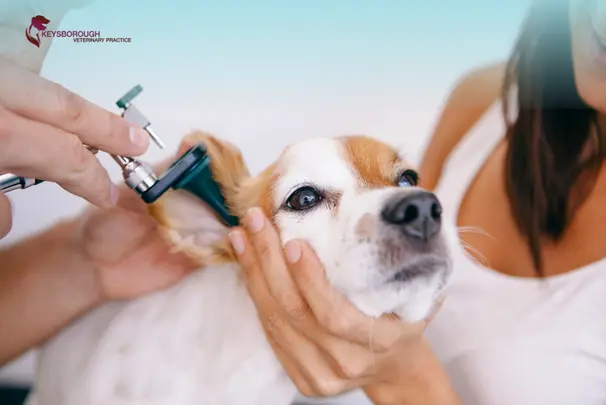
An ear infection in dogs often starts with subtle changes owners miss, like mild head tilting, increased yawning, or reluctance to be touched near the ears. These infections affect one in five dogs and rank among the top three conditions requiring vet visits in Australia. Early detection is critical because untreated ear infections can progress from the outer ear to the inner ear, potentially causing permanent hearing loss or neurological damage.
Why Ear Infections Are Common in Dogs
Ear infections are common in dogs due to the unique anatomy of the canine ear canal. Unlike humans, dogs have an L-shaped ear canal that traps moisture, debris, and bacteria deep into the ear. This warm, moist ear environment creates the perfect breeding ground for bacterial infections and yeast infections in dogs.
Several factors make certain dogs more prone to ear infections:
- Breed anatomy: Dogs with floppy ears or hairy ear canals trap moisture and reduce airflow
- Allergies: Food sensitivities and environmental allergies compromise the ear’s natural protective barrier
- Swimming habits: Regular water exposure creates moisture in the ear canal
- Underlying conditions: Hormonal imbalances can make dogs susceptible to ear infections
The outer ear canal is most commonly affected, though severe ear infections can progress to the middle or inner ear if left untreated.
Early Signs Most Owners Miss

Many dog owners overlook the initial signs of ear infection because they’re subtle. Recognising these early indicators can help you prevent your dog from developing chronic ear infections.
Subtle Behaviour Changes
Your dog may exhibit minor behavioural shifts before obvious symptoms appear:
- Increased yawning or jaw movements: Discomfort in the ear and can lead to unusual mouth movements
- Reduced enthusiasm for play: Your dog may seem less energetic than usual
- Reluctance during petting: Your dog may pull away when you touch near their ears
- Changes in sleep patterns: The infection might make settling down difficult
Minor Physical Indicators
Watch for these physical signs of ear infection that appear before severe symptoms:
- Subtle ear odour: A faint, unusual smell before discharge develops
- Slight warmth: The ear flap may feel warmer than normal
- Minor redness: Light pink discolouration inside of the ear
- Head tilting: Your dog may tilt their head occasionally, not constantly
- Gentle pawing: Light scratching rather than aggressive digging at the ear
One common sign many dog owners notice is when their dog may scratch at their ears intermittently throughout the day.
Changes in Hearing or Balance
As an ear infection progresses, you might notice:
- Delayed response to commands: Your dog doesn’t react as quickly to your voice
- Slight wobbling: Minor balance issues when walking or turning
- Confusion about sound direction: Your dog may look the wrong way when called
- Increased clumsiness: Bumping into furniture more often
These signs of dog ear infections indicate the infection might be spreading deeper into the ear canal and eardrum.
Causes of Ear Infections in Dogs
Understanding the causes of dog ear infections helps with prevention. The most common reasons dogs develop ear problems include:
Primary Causes:
- Bacterial or yeast overgrowth in the outer ear
- Ear mites (particularly in puppies)
- Foreign objects lodged in the ear canal
- Allergies (both food and environmental)
Contributing Factors:
- Excessive moisture from swimming or bathing
- Hormonal disorders like hypothyroidism
- Autoimmune conditions
- Tumours or polyps in the ear
According to veterinary research, ear infections occur in 65-80% of dogs with underlying food allergies, making dietary factors one of the key causes of ear infections in pets.
Dogs with ear issues often have more than one contributing factor, which is why seeing a vet early is essential for proper diagnosis.
Complications if Left Untreated
An ear infection without treatment can escalate quickly. What starts as a simple outer ear canal infection can become life-threatening.
Potential complications include:
- Hearing loss: Chronic ear infections in dogs can cause permanent deafration
- Eardrum rupture: Deep into the ear canal, infections can perforate the eardrum
- Inner ear infections: Bacterial ear infections in dogs can spread inward, causing vestibular disease
- Chronic pain: Persistent inflammation makes your dog constantly uncomfortable
- Facial nerve damage: Severe cases affect nerves near the ear, causing facial paralysis
- Surgical intervention: A chronic ear may require total ear canal removal
The infection may cause neurological symptoms like head tilt, circling, and loss of coordination when it reaches the inner ear. In rare cases, infections may spread to the brain.
Prevention & Care Tips
Preventing ear infections is far easier than treating a recurring infection. Here’s how to keep your dog’s ears healthy.
Routine Cleaning
Regular ear cleaning removes debris and excess moisture:
- Use a vet-approved ear cleaner specifically formulated for dogs
- Clean ears after swimming or baths when moisture accumulates
- Gently wipe the outer ear and ear flap, never push deep into the ear canal
- Allow your dog to shake their head naturally to remove excess fluid
- Avoid over-cleaning, which can strip protective oils
Important: Never use cotton swabs deep in your dog’s ear, as this pushes debris further down and can damage delicate structures.
Regular Check-Ups
Professional ear cleaning and inspection help catch problems early:
- Schedule routine vet examinations every 6-12 months
- Ask your vet if you’re unsure about proper cleaning technique
- Have your vet inspect the ear canal for signs of inflammation
- Discuss breed-specific risks if you have a dog prone to infections
Breeds like Labrador Retrievers, Golden Retrievers, and Cocker Spaniels need more frequent monitoring due to their floppy ears.
Environmental & Lifestyle Tips
Create conditions that reduce infection risk:
- Dry ears thoroughly: After any water exposure, dry the ear environment
- Manage allergies: Work with your vet to identify and treat underlying allergies
- Trim ear hair: For breeds with hairy ear canals, regular grooming improves airflow
- Control diet: Food trials may help if allergies contribute to ear infections
- Limit irritants: Keep chemicals, perfumes, and cleaning products away from your dog’s ears
Many dog breeds with floppy ears benefit from regular ear inspections between professional visits.
When to See a Vet Immediately
Some symptoms require urgent veterinary attention. Contact your vet straight away if you notice:
- Severe head shaking: Constant, vigorous head movements
- Visible discharge: Yellow, brown, or bloody fluid from the ear
- Strong odour: Foul smell indicating advanced infection
- Extreme pain: Your dog yelps or becomes aggressive when you touch their ears
- Balance problems: Circling, falling, or inability to walk straight
- Facial drooping: One side of the face appears different
- Complete loss of appetite: The infection might be causing systemic illness
These dog ear infection symptoms suggest the condition has progressed beyond the early stage and requires immediate professional treatment of ear infections.
Never attempt to treat an ear infection at home without consulting your vet, as you can’t determine the type of infection your dog has or whether the eardrum is damaged.
How Keysborough Veterinary Practice Can Help
At Keysborough Veterinary Practice, we specialise in diagnosing and treating all types of ear infections in dogs. Our comprehensive approach includes:
Diagnostic Services:
- Thorough otoscopic examination to inspect the ear canal
- Microscopic analysis to identify bacterial or yeast infections
- Culture and sensitivity testing for resistant infections
- Imaging when needed to assess middle or inner ear involvement
Treatment Options:
- Professional ear cleaning using safe ear cleaning techniques
- Prescription medications targeted to your dog’s specific infection
- Long-term management plans for dogs with ear issues
- Surgical consultation for severe cases of chronic ear infections in dogs
Preventative Care:
- Education on proper at-home ear cleaning
- Breed-specific recommendations for dogs with floppy ears
- Allergy testing and management
- Regular monitoring to prevent future infections
Our experienced team will help you understand the signs of an ear infection and create a personalised care plan for your dog.
Take Action Today
Don’t wait for an ear infection to become serious. If you’ve noticed any signs of a dog ear problem, book an appointment with Keysborough Veterinary Practice. Early intervention can prevent complications, reduce treatment time, and keep your dog comfortable and healthy.
Contact us today to schedule your dog’s ear examination and protect their hearing for years to come.
Frequently Asked Questions
Can ear infections in dogs go away on their own?
No, an ear infection won’t go away without treatment. While your dog might seem to adjust to the discomfort, the underlying infection continues to worsen and can spread deeper into the ear canal.
How do I know if my dog has a yeast or bacterial ear infection?
Only a vet can definitively diagnose whether an infection is bacterial or yeast-based through microscopic examination of ear discharge. Yeast infections typically produce a darker, brownish discharge with a distinct sweet smell.
Are certain dog breeds more prone to ear infections?
Yes. Dogs with floppy ears like Cocker Spaniels, Basset Hounds, and Labrador Retrievers are more likely to develop ear infections. Breeds with hairy ear canals or those prone to allergies also get ear infections more frequently.
How often should I clean my dog’s ears?
For most healthy dogs, weekly or bi-weekly cleaning is sufficient. Dogs that swim regularly or have chronic ear should be cleaned after each water exposure. Always consult your vet for breed-specific recommendations.
Can ear infections cause permanent hearing loss?
Yes, severe ear infections or chronic ear infections can lead to permanent hearing damage, especially if they progress to inner ear infections or cause eardrum rupture. This is why prompt veterinary care is essential.
