



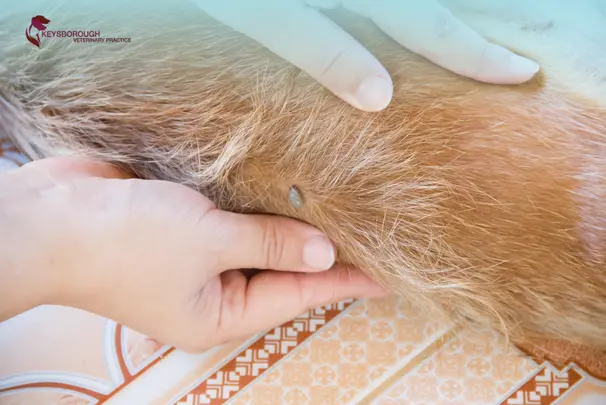
A flea infestation can be present in your home even before you spot fleas. Watch for your pet scratching constantly, flea dirt (small black specks that turn red on wet tissue), red irritated skin, hair loss, and restless behaviour. These early warning signs of a flea infestation often appear weeks before adult fleas become visible on your pet.
According to RSPCA Australia, fleas are persistent parasites that thrive in warm, humid environments, and with climate change increasing such conditions, infestations may become more common and widespread. In Sydney specifically, flea infestations typically peak during spring and summer when humidity levels rise above 60%.
Why Flea Problems Are Hard to Spot Early
Most pet owners don’t realise they’re dealing with a flea infestation until it’s already well established. Here’s why fleas can be hard to detect initially:
- Fleas are small and incredibly fast. Adult fleas measure only 1-2mm in length and can jump more than 200 times their body length. They spend most of their time hiding in carpet fibres, furniture, and bedding rather than staying on your pet.
- The majority of the flea life cycle happens off your pet. Only about 5% of the flea population lives on your pet at any given time. The remaining 95% exists as flea eggs, flea larvae, and pupae scattered throughout your home’s carpet, furniture, and other areas where fleas hide.
- Pets groom fleas away before you see them. Dogs and cats instinctively lick, chew, and groom themselves when they feel flea bites and scratch often. This means many pets, especially cats, remove evidence of fleas before owners can check for fleas properly.
- Fleas don’t need many bites to cause problems. A single flea bite can trigger severe allergic reactions in sensitive pets. Your pet may be irritated by flea bites even when there are no visible fleas on them.
Early Signs of a Flea Problem Most Owners Miss
Knowing what to look for means you can spot fleas early and act before the infestation takes hold.
Behavioural Changes
- Excessive scratching, licking, or biting: If your pet suddenly starts scratching more than usual, particularly around the base of the tail, belly, or behind the ears, this could indicate a flea problem. Fleas on your dog or fleas on your pet cause intense discomfort.
- Restlessness and difficulty settling: Pets with flea infestations often seem unable to get comfortable. They’ll repeatedly change positions, wake frequently during sleep, or seem generally agitated.
- Rubbing against furniture or carpet: When pets can’t relieve the itch from flea bites, they’ll rub their bodies against walls, furniture, or the carpet to try to find relief.
Skin & Coat Changes
- Red, irritated skin: Check your pet’s skin by parting their fur. Look for red bumps, inflammation, or raw patches where they’ve been scratching. The flea saliva contains anticoagulants that cause allergic reactions in many pets.
- Flea dirt on the skin: Flea dirt and eggs are the most reliable early warning signs. Flea faeces look like tiny black specks in your pet’s fur. To confirm it’s flea dirt, place the specks on a damp white tissue, adult flea faeces will turn red because it’s digested blood.
- Scabs or hot spots: Areas of broken skin, crusty scabs, or moist, painful hot spots can develop from constant scratching and may be caused by fleas.
- Thinning fur or hair loss: Repeated scratching and grooming can cause noticeable hair loss, particularly along the back, tail base, and hind legs.
Changes in Sleep or Comfort
- Frequent waking during the night: Flea bites cause enough discomfort to disrupt your pet’s sleep patterns. If your normally sound sleeper is suddenly restless at night, consider fleas as a possible culprit.
- Avoiding favourite resting spots: Pets may avoid areas where flea eggs and larvae have accumulated, even if they previously loved those spots.
How to Check for Fleas at Home
You don’t need to see live fleas to confirm you’re dealing with a flea infestation. Here’s how to check your pet and house for fleas:
- Use a fine-toothed flea comb: Comb through your pet’s fur, especially around the neck, base of tail, and belly. Look for:
- Tiny dark insects (fleas look like small brown or black dots)
- Small black specks (flea dirt)
- White specks that resemble grains of salt (flea eggs are tiny oval shapes)
- Check bedding and favourite spots: Inspect areas where your pet spends time. Flea eggs fall off your pet into these areas and hatch into flea larvae within days.
- Look for fleas on light-coloured surfaces: Place your pet on a white sheet or towel while you groom them. Any flea dirt or fleas will be easier to spot fleas against the light background.
- The wet tissue test: Collect any dark specks you find and place them on a damp tissue. If they spread and turn reddish-brown, you’ve confirmed flea dirt, known as flea faeces, which is essentially digested blood.
Flea Allergy Dermatitis , A Serious Early Warning
Flea Allergy Dermatitis is the most prevalent skin allergy in Australian pets. This condition, known as flea allergy dermatitis, occurs when pets become hypersensitive to proteins in flea saliva.
Even if you don’t see fleas, flea allergy symptoms can be severe. Affected pets experience:
- Intense itching that’s out of proportion to the number of fleas present
- Red, inflamed skin, particularly on the lower back and tail base
- Hair loss in affected areas
- Crusty sores or scabs
- Secondary skin infections from constant scratching
According to veterinary specialists, FAD can be so severe that even one flea bite a week may be enough to keep a flea-allergic patient itchy. This is why year-round flea prevention is essential, especially for pets with known sensitivities.
If your pet shows these symptoms, see your vet immediately. They can diagnose flea allergy through skin tests or by ruling out other conditions, and will recommend effective flea control strategies.
Why Waiting Until You See Fleas Is a Mistake
By the time you actually see adult fleas on your pet, you’re already dealing with a significant infestation. Here’s why:
- The flea life cycle works against you. Female fleas can lay up to 50 eggs per day. These flea eggs fall into your carpet, bedding, and furniture, where they hatch into flea larvae. The stage of the flea life cycle you can see (adult fleas) represents only a tiny fraction of the problem.
- Flea eggs are nearly invisible. Flea eggs are tiny, about 0.5mm, and white, making them almost impossible to spot on light surfaces or in carpet fibres.
- Pupae are protected. When flea larvae mature, they spin cocoons that are virtually impervious to most insecticides. Adult fleas can survive inside these cocoons for months, waiting for the right conditions before adult fleas emerge.
- The infestation grows exponentially. Under favourable conditions, the flea life cycle can be completed in as little as 2-3 weeks. This means the problem multiplies rapidly once established.
- Environmental treatment becomes necessary. Once fleas establish themselves in your home, you’ll need to treat both your pet and your entire living environment to eliminate fleas effectively.
Fleas in Indoor Pets, How It Happens
Many pet owners assume that indoor-only pets are protected from fleas, but that’s not the case. Here’s how fleas in the house happen even without outdoor exposure:
- You can bring fleas inside. Fleas may hitchhike on your clothes, shoes, or bags after you’ve been in areas where fleas are present, such as parks, gardens, or other homes.
- Fleas can come from visitors. If friends or family have pets with fleas, those fleas can transfer to your home environment during visits.
- Wildlife can introduce fleas. Rodents, possums, and birds entering a house through gaps, under decks, or in roof spaces can carry fleas. This is particularly common in areas with wild rodents to humans and animals transmission.
- Previous tenants or pets. If you’ve recently moved, flea pupae from previous occupants can lie dormant in carpets and floorboards for months, then adult fleas may emerge when they detect vibrations, warmth, or carbon dioxide from new residents.
- Neighborhood animals. Stray cats, wandering dogs, or wildlife passing through your yard can leave flea eggs that eventually make their way inside.
This is why even indoor pets need year-round flea prevention. Don’t wait for signs of fleas, proactive prevention is far easier than dealing with a flea infestation.
How Vets Diagnose & Treat Flea Problems
When you suspect a flea problem, your vet will conduct a thorough examination to get rid of fleas effectively.
- Physical examination: Your vet will carefully inspect your pet’s skin and coat for signs of a flea infestation, including flea dirt, skin irritation, and hair loss.
- Flea combing: A fine-toothed comb helps detect adult fleas, flea dirt, and flea eggs that might be missed during visual inspection.
- Skin tests: If flea allergy is suspected, your vet may perform intradermal testing or blood tests to confirm hypersensitivity.
- Ruling out other conditions: Since many skin conditions can mimic signs of fleas, your vet will check for mites, fungal infections, and other parasites.
Treatment approach:
- Immediate flea control: Prescription-strength flea treatment to kill fleas on your pet quickly
- Environmental treatment: Professional flea pest control or home treatment recommendations to kill fleas in carpets, furniture, and bedding
- Symptom relief: Anti-itch medications, antibiotics for secondary infections, or medicated shampoos
- Long-term prevention: Recommendations for ongoing flea control products to prevent flea infestations from recurring
Your vet can recommend the most effective flea control products for your pet’s age, size, and health status.
Flea Prevention Tips Every Pet Owner Should Follow
Preventing fleas is much easier than controlling fleas once they’ve established themselves. Here’s how to keep your pets and fleas at bay:
Use vet-approved flea prevention year-round
- Oral medications, spot-on treatments, or flea collars provide consistent protection
- Never skip doses, even in cooler months, fleas can survive indoors all year
- Use a flea control product on all pets in your household, not just the ones that go outside
- Consult your vet about which flea control products work best for your situation
Maintain a clean home environment
- Vacuum carpets, furniture, and pet bedding weekly to remove flea eggs and larvae
- Wash pet bedding in hot water (above 60°C) regularly
- Steam clean carpets periodically, heat kills fleas at all life stages
- Don’t forget to vacuum under furniture and in corners where fleas lay eggs
Groom your pets regularly
- Use a flea comb to check your pet’s coat weekly
- Bathe pets as recommended by your vet
- Regular grooming helps you detect problems early
Treat your outdoor environment
- Keep grass trimmed short, fleas thrive in shady, damp areas
- Remove leaf litter and debris from your yard
- Consider professional flea spray treatment for outdoor areas if you’ve had infestations before
Limit exposure to other animals
- Be cautious at dog parks or boarding facilities
- Inspect your pet after visiting areas where other animals frequent
- If you have fleas in your house, address the problem before it spreads to friends’ or family members’ homes
When to See a Vet
Don’t wait to address a flea problem. Contact Keysborough Veterinary Clinic if you notice:
- Persistent scratching, licking, or biting
- Signs of fleas like flea dirt or visible adult fleas
- Red, inflamed skin or hair loss
- Changes in your pet’s behaviour or sleep patterns
- Any suspicion you suspect a flea problem
Early intervention prevents the flea infestation in your home from becoming severe and protects your pet from unnecessary suffering. Our experienced team can help diagnose the issue, provide effective flea treatment, and set up a prevention plan to keep your pet flea free.
Ready to protect your pet from fleas? Contact Keysborough Veterinary Clinic today to discuss flea prevention strategies and ensure your pet stays comfortable and healthy all year round. We’re here to help deal with fleas before they become a serious problem.
Frequently Asked Questions
Can my pet have fleas if I don’t see any bugs
Yes. You can have a flea infestation without seeing live fleas. Look for flea dirt, excessive scratching, or skin irritation. Adult fleas can survive hidden in carpet and furniture.
What does flea dirt look like on pets?
Flea dirt looks like tiny black specks in your pet’s fur. Place some on a damp white tissue, it will turn reddish-brown because it’s digested blood.
Do indoor pets really need flea prevention?
Yes. Fleas in your home can arrive on your clothing, through visitors, or from wildlife. Year-round prevention stops problems before they start.
How quickly do fleas spread in a home?
Very fast. A single female lays around 50 eggs daily. Under ideal conditions, these can develop into adult fleas in 2-3 weeks.
