



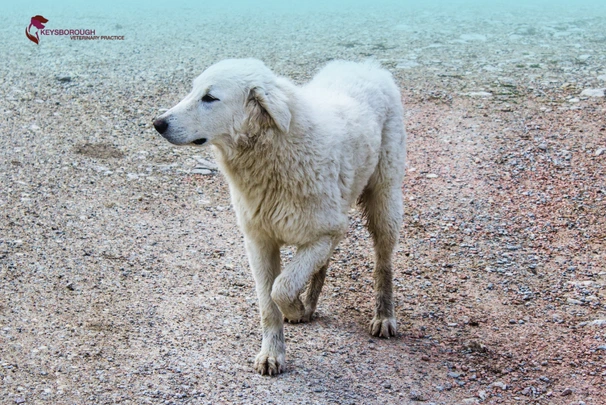
A limping dog is one of the most common reasons pet owners in Keysborough pick up the phone and call the vet. And honestly, it can be a bit of a nerve-wracking moment: is it serious? Can it wait until morning? Should you be worried?
This guide is here to help you figure that out. Whether your dog is limping on a front leg, a back leg, or you’re not quite sure what’s going on, we’ll walk you through the most common causes, what the signs of pain actually look like, and when it’s time to take action.
Sudden Limp vs Gradual Limp: Why It Matters for Your Dog
Not all limps are created equal, and the way a limp starts can tell you a lot.
- A sudden limp
This usually points to something that has just happened: a cut on the paw, a grass seed that has worked its way between the toes, a sprained muscle, or an acute injury from running hard at Tatterson Park or along the wetlands trails. These can be painful and urgent, especially if your dog won’t put any weight on the leg at all.
- A gradual limp
This one that creeps in slowly over days or weeks is more likely to suggest something chronic, such as arthritis, hip dysplasia, or joint disease that has been quietly developing under the surface. Dogs are stoic animals. By the time you notice they’re favouring a leg, the problem has often been there for a while.
Both types deserve a veterinary assessment. However, how quickly you need to act depends on what else is happening.
Common Causes of Limping in Dogs
There’s quite a range of reasons a dog may limp, from the minor and fixable to the more serious. Here are the ones we see most often:
Paw injuries
Cuts, cracked pads, broken nails, and embedded grass seeds are all frequent culprits, especially in active dogs who spend time in parks or on rough ground. Grass seeds are a particular hazard in Victoria during late spring and summer. Direct Vet Services notes that a grass seed lodged in a paw can cause lameness, swelling, and infection if it’s not caught early, and in some cases, the seed can migrate deeper into the body.
Always check between your dog’s toes after walks in long grass. If you notice your dog licking at a paw and favouring that leg, there’s a good chance something’s in there.
Soft tissue sprains and strains.
Just like humans, dogs can pull a muscle or strain a ligament during exercise. These often resolve with rest and anti-inflammatories, but it’s still worth getting a vet to rule out anything more serious.
Cruciate ligament tears.
This is one of the most common orthopaedic injuries we see in dogs, particularly medium to large breeds. The cranial cruciate ligament (CCL) stabilises the knee joint, and when it tears, either partially or fully, it causes significant back leg lameness. Cruciate rupture is the most common cause of hind limb lameness in dogs, and if your dog suddenly starts holding up a back leg, a cruciate ligament tear is high on the list of likely causes.
Active dogs who run, jump, and change direction quickly, exactly the kind of activity that happens at Tatterson Park, are at higher risk of this type of acute injury. Research also shows that within one year of a cruciate ligament tear, 20–50% of dogs go on to develop a problem in the other knee, which is why early treatment matters.
Hip dysplasia
This is a developmental condition where the hip joint doesn’t form properly. It’s more common in larger breeds like German Shepherds, Labradors, and Golden Retrievers, and it tends to cause a gradual onset of back leg lameness and stiffness. PetSure’s 2024 claims data shows that German Shepherds are three times more likely than the average dog to be affected by hip dysplasia: something worth keeping in mind if you’ve got one of these breeds.
Arthritis
Arthritis is incredibly common in older dogs, but it’s not always obvious to owners. A 2024 veterinary report found that osteoarthritis accounts for at least 80% of lameness and joint disease cases in companion animals. What’s surprising is how early it can show up: research published in Scientific Reports (2024), found that nearly 40% of young dogs aged 8 months to 4 years already showed radiographic signs of joint changes. Limping that’s worse after rest, or that eases up a bit once your dog gets moving, is a classic sign of arthritis.
Bone cancer
This is Less common but serious, bone cancer (osteosarcoma) tends to affect large and giant breeds and often causes a progressive limp that doesn’t respond to pain relief. If your dog is limping and the lameness is getting steadily worse over weeks, this is something a vet needs to rule out.
Front Leg vs Back Leg Limping in Dogs
Where your dog is limping can point your vet in the right direction, though a proper examination is always needed to confirm what’s going on.
Front leg limping is more commonly linked to:
- Elbow dysplasia: a developmental condition affecting the elbow joint
- Shoulder injuries, particularly in athletic or working dogs
- Paw injuries or soft tissue strains
Back leg limping more often suggests:
- A cruciate ligament tear (very common)
- Hip dysplasia or arthritis of the hip
- Intervertebral disc disease (IVDD), which can affect the spine and cause neurological symptoms alongside lameness
If a dog may be showing weakness rather than pain: dragging a leg, knuckling over, or seeming unsteady: that’s a sign the spine or nervous system could be involved, and it warrants an urgent vet visit.
When to See a Vet Immediately
Some limps can wait a few hours. Others can’t. Head straight to urgent care if your dog cannot bear weight, if you notice any of the following:
- Your dog won’t put any weight on the leg at all
- There’s visible swelling, a wound, or exposed bone
- Your dog is crying, yelping, or clearly in severe distress
- The leg looks deformed or is at an unusual angle: possible dislocation
- The limb is cold or has changed colour
- Your dog has collapsed or can’t stand up
One really important thing: do not give your dog human pain medication. Medications like ibuprofen and paracetamol are toxic to dogs, even in small doses. If your dog needs pain relief before you can get to a vet, call the clinic for advice on what’s safe.
When It Can Wait Until the Next Day
If your dog is still putting some weight on the leg, isn’t showing signs of pain in its face or behaviour, and is otherwise eating, drinking, and acting normally, it’s probably okay to monitor overnight and book an appointment first thing in the morning.
That said, “can wait” doesn’t mean “can be ignored.” A mild limp left untreated can worsen, and what starts as a soft tissue strain can turn into something more significant if your dog keeps exercising on an injured leg. Restrict activity, keep them calm, and book within 24 hours.
Diagnosis and Treatment: What to Expect at the Vet
When you bring your dog in for a limping assessment, your vet will:
- Take a full history: when did you first notice it, did it come on suddenly, has anything changed recently?
- Watch how your dog moves and where they’re favouring
- Physically examine each leg, joint, and paw, including applying gentle pressure to identify where the pain is
- Check for signs of pain, swelling, heat, or muscle wasting
From there, X-rays to diagnose joint and bone conditions are often the next step. X-rays can reveal arthritis, bone changes, fractures, and dysplasia: they’re a key part of getting a clear picture of what’s going on inside the joint.
Treatment options vary depending on the cause:
- Rest and restricted exercise: for mild sprains and soft tissue injuries
- Anti-inflammatories and pain relief: to manage joint pain and reduce swelling
- Weight management: carrying extra weight puts real strain on joints and can worsen conditions like arthritis and hip dysplasia significantly
- Physiotherapy and hydrotherapy: increasingly used as part of recovery from surgery or for ongoing joint management
- Surgery: for cruciate ligament tears, severe hip dysplasia, fractures, or other structural issues
At Keysborough Veterinary Practice, we’re fortunate to have access to orthopaedic surgery at Keysborough Veterinary Practice through our orthopaedic surgery consultant. Having a specialist with that level of expertise on site means dogs who need surgical intervention, particularly for cruciate ligament repairs or complex joint conditions, don’t need to be referred elsewhere. That’s a significant advantage for local pet owners, and it means your dog gets the right care sooner.
Regular Vet Visits and Preventive Care for Adult Dogs
One of the best things you can do as a pet owner is keep up with regular vet visits, even when nothing seems wrong. This is especially true for adult dogs and senior dogs who are more prone to joint changes, arthritis, and other orthopaedic conditions. Catching these things early means more treatment options and better outcomes.
If your dog is a larger breed, is particularly active, or has a family history of joint problems, let your veterinarian know: they can help you build a preventive care plan that keeps your pet moving comfortably for as long as possible.
Book an Appointment at Keysborough Veterinary Practice
If your dog is limping and you’re unsure what to do, the safest option is always to contact us. We’d rather you check in, and it turns out to be nothing serious, than wait and have a small problem become a bigger one.
Keysborough Veterinary Practice is open Monday, Wednesday, and Friday until 8 pm for all your pets’ needs.
Frequently Asked Questions
How do I know if my dog’s limp is an emergency?
If your dog won’t put any weight on the leg at all, there’s visible swelling or a wound, or they’re crying out in pain: don’t wait. Get to a vet straight away. Those are signs that something serious is going on.
Can I give my dog paracetamol or ibuprofen for pain?
No, and this is really important. Human pain medications are toxic to dogs, even in small amounts. Call your vet first, and they’ll advise you on what’s safe to give while you wait for your appointment.
My dog is limping but still walking around: do I still need a vet?
Yes, still book in. A mild limp that’s left unchecked can get worse, especially if your dog keeps exercising on an injured leg. Aim to get them seen within 24 hours, even if they appear okay on their own.
What’s the most common cause of back leg limping in dogs?
A cruciate ligament tear is right up there: it’s one of the most frequent orthopaedic injuries vets see, particularly in medium to large breeds. Hip dysplasia and arthritis are also common culprits, especially in older dogs.
Does my dog need surgery if they’re limping?
Not always. Many limps are treated with rest, anti-inflammatories, and some activity modification. However, for conditions such as cruciate ligament tears or significant joint disease, surgery can significantly improve your dog’s long-term comfort and mobility. Your veterinarian will discuss the options with you after a thorough assessment.
