



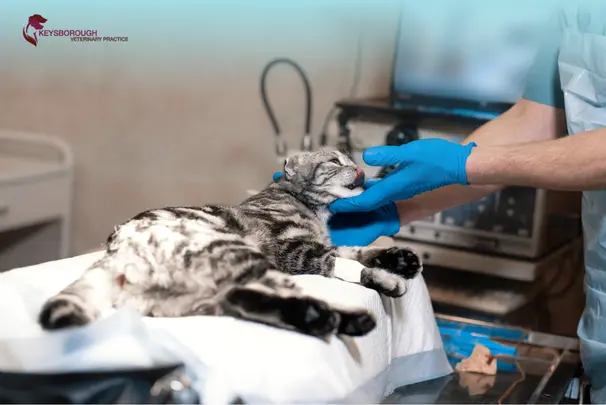
Bringing your furry friend home after a surgical procedure is a mix of relief and nerves. One minute, they were bouncing around the backyard; now, they’re groggy, quiet, and relying entirely on you. It is a lot to take in, and it is completely normal to feel unsure about what comes next.
The good news? With the right post-surgery care at home, most cats and dogs heal beautifully. This guide from our experienced team at Keysborough Veterinary Practice walks you through every step of the recovery period, from the first few hours after surgery, when your pet comes home, right through to the follow-up appointment and beyond.
Whether your pet has had a desexing surgery, a pet dental procedure, an orthopaedic operation, or general soft tissue surgery, the core recovery principles are the same.
According to Animal Medicines Australia’s 2025 Pets in Australia report, 73% of Australian households now own at least one pet, with dogs present in 49% of homes and cats in 34%. That is millions of Australians navigating moments exactly like this one.
The First Few Hours: What Is Normal After Surgery
As soon as your pet arrives home, they will likely seem like a very different version of themselves. That is expected. Here is what is normal in the hours immediately after surgery:
After anaesthesia, it is normal to see temporary changes such as grogginess, unsteady movement, lower body temperature, reduced appetite, confusion, and increased sleepiness. These effects happen as the anaesthetic wears off and usually improve within a few hours. Keep the patient warm, offer food and water only when fully alert, and allow rest for proper recovery.
What is NOT normal and requires a call to your vet within 24 hours:
- Pale, white, or bluish gums
- Difficulty breathing or laboured breathing
- Excessive swelling at the surgery site within the first few hours
- Vomiting repeatedly (once or twice can be normal; ongoing vomiting is not)
- Lethargy that does not improve by the next morning
- Any sign of heavy bleeding from the incision site
If any of these occur, call Keysborough Veterinary Practice immediately on (03) 9798 7274. Do not wait.
Setting Up a Safe Recovery Space at Home
Before you even pick up your pet, it pays to have their recovery space ready. Think calm, contained, and comfortable.
Here is what a good recovery setup looks like:
- A quiet room away from other pets, young children, and general household chaos
- Non-slip flooring is particularly important for dogs recovering from orthopaedic surgery, where stability matters
- Comfortable bedding at ground level, so your pet does not need to jump up onto furniture
- Consistent temperature, not too hot and not too cold, especially in the first few days after surgery
- Fresh water is accessible at all times, but hold off on food until your vet gives the go-ahead
A calm environment is not just about comfort; it actively supports healing. Stress raises cortisol levels, which can slow recovery, so keep things quiet and low-key for at least the first few days.
The E-Collar: Why Your Pet Needs It and How to Help Them Adjust
Ah, the cone. Every pet owner has seen the picture, but living with it is a different story altogether.
The Elizabethan collar (e-collar) is one of the most important tools in post-op care. It exists for one reason: to stop your pet from licking or chewing the incision site. And this matters more than most people realise.
Even a few minutes of licking can introduce bacteria, pull at sutures, and undo days of careful healing. The instinct for a dog or cat to lick a wound is strong, and they will act on it the moment they get the chance.
Common questions about the e-collar:
- My pet hates it. Should I take it off? No. Most pets do adjust within a day or two. It feels strange at first, but they learn to manage it.
- Can I use an alternative? There are inflatable collars and recovery suits available as alternatives to the standard plastic cone. These can work well for some pets, but always check with your vet before swapping out the collar. Not every alternative prevents licking equally well, and the vet may recommend against it depending on the surgery your pet has had.
- When can it come off? The e-collar needs to stay on any time you cannot directly supervise your pet. That means even during sleep.
The most common mistake we see? Owners remove the collar “just for a little while” and their pet licks the incision site immediately. Every time this happens, it risks infection and can set recovery back significantly.
Monitoring the Incision Site: Signs of Infection to Watch For
Checking the surgery site once or twice daily is one of the most important jobs during the recovery period. You do not need to prod or disturb it, but a quick visual check goes a long way.
What a normal, healing incision looks like:
- Mild redness and minor swelling on the first day or two
- Edges of the wound sit close together and gradually flatten
- Possible minor bruising nearby (particularly in larger surgeries)
- Gradual improvement each day
Signs of infection to contact your vet about:
- Excessive swelling that is increasing, not decreasing
- Discharge, pus, or fluid leaking from the site
- Redness that is spreading beyond the immediate area
- Unpleasant odour coming from the wound
- The incision opening up (wound dehiscence)
- Signs of infection combined with lethargy or vomiting
Why this matters: Research published in Veterinary Surgery found that surgical site infection rates in cats and dogs for clean procedures range from around 2.5% to 4.8%. While that is relatively low, infections that do occur can escalate quickly if not caught early. Checking for any signs every day dramatically reduces the risk.
Keep the area clean and dry. No baths, no swimming, and no letting your pet out in the rain until the vet has cleared the incision site. Even brief moisture can soften the tissue and compromise healing.
Activity Restriction: Why It Is Non-Negotiable
This is the instruction that every pet owner struggles with, and the one that causes the most problems when it is not followed.
After surgery, your pet may seem like they feel fine, especially within the first few days when pain relief is still active. Do not be fooled. Underneath the skin, tissue is still repairing itself, sutures are still holding things together, and bone or soft tissue is still knitting back. That process takes time: generally two to six weeks, depending on the procedure.
What activity restriction actually means:
- Leash walks only, even in your own backyard, for the entire rest period specified by your vet
- No running, jumping, rough play, or stairs unless the vet has cleared them
- No off-leash time until given the all-clear at the follow-up appointment
For orthopaedic procedures, this is especially critical. Jumping on furniture or running after a ball during the healing window can cause implant failure or wound breakdown, both of which mean more surgery and a longer road to recovery.
Tips for managing a restless or energetic dog on rest:
- Puzzle feeders and sniff mats for mental stimulation without physical exertion
- Calm, short leash walks on a flat surface
- Frozen Kongs or lick mats to keep them occupied
- Training games done from a stationary position
Cats tend to be a bit more self-regulating, but they still need to be kept from jumping up onto benches, beds, or high perches until cleared by the vet.
Medications: Giving Them Correctly and What to Watch For
Your vet may prescribe pain relief, antibiotics, or anti-inflammatories following surgery. These medications are important, and they need to be given correctly.
Key points on medications:
- Pain relief: Give as prescribed, even if your pet seems comfortable. Pain medication keeps your pet calm, which supports healing. Do not skip doses.
- Antibiotics (if prescribed): Complete the full course, even if the incision looks fine before the course is finished. Stopping early can allow resistant bacteria to develop.
- Never give human pain medications. Paracetamol, ibuprofen, and aspirin are all toxic to dogs and cats and can cause serious or fatal harm. This is one of the most important things every owner needs to know.
Signs of an adverse reaction to watch for:
- Vomiting or diarrhoea after starting a new medication
- Extreme lethargy or unusual behaviour
- Loss of appetite that continues beyond the first day
If you miss a dose, do not double up. Contact your vet for guidance. And if you are unsure whether to feed your pet before giving a tablet, most can be hidden in a small amount of food, but check with your vet if you have been asked to withhold food for any reason.
It is common for appetite to be reduced for the first day or two. This can upset their stomach slightly, so start with small, bland amounts once they are fully alert, and the vet has advised that feeding can recommence. If your pet refuses food for longer than 24 hours, contact the clinic.
Pet Dental Surgery Recovery: A Quick Note
Pet dental surgery and extractions follow the same general recovery principles, but there are a couple of additional things to keep in mind.
After pet dental work, your pet may be tender around the mouth for a few days. You may need to soften their food or switch temporarily to wet food. Avoid giving hard treats or chew toys until the dental care site has fully healed. Your vet will let you know when normal dental care and brushing can recommence.
Check for any signs of bleeding or swelling around the mouth in the first 24 hours. Some very minor oozing can be normal; anything more should prompt a call to the clinic.
Follow-Up Appointment: Please Do Not Skip It
Most pets will need a recheck at around 10 to 14 days after surgery for suture removal and wound assessment. For orthopaedic procedures, X-rays may be needed to confirm bone healing and implant positioning.
Even if your pet seems completely back to their normal selves, the follow-up appointment is essential. This is when:
- Sutures or staples are removed
- The vet assesses whether the incision site has healed properly
- Activity restrictions may be modified or lifted
- Any concerns you have as an owner can be addressed
Do not assume your pet is ready to return to normal activity just because they look fine. Always wait for veterinary clearance first.
Did you know? 87% of pet owners across Australia give their vet a high satisfaction rating, according to Animal Medicines Australia’s 2025 survey. The team at Keysborough Veterinary Practice is here to make sure your pet’s procedure and recovery are part of that positive experience.
A Recovery Checklist for Pet Owners
Use this as a quick reference guide during your pet’s recovery period:
Immediately after surgery (first 24 hours):
- Keep your pet warm, quiet, and in a safe recovery space
- Do not feed until your pet is fully alert and the vet has advised
- Ensure the e-collar is on and fitting correctly
- Give prescribed medications as directed
- Check the incision site once before bed
Days 1 to 7:
- Continue leash-only activity
- Check the surgery site twice daily for signs of infection
- Keep the area clean and dry
- Complete the full course of any prescribed antibiotics
- Contact the vet if anything concerns you
Days 7 to 14:
- Attend your follow-up appointment at 10 to 14 days after surgery
- Do not remove sutures yourself
- Ask your vet when normal activity, bathing, and dental care can resume
We Are Here for Every Step of the Recovery
Post-surgery care can feel overwhelming, but you do not have to navigate it alone. The experienced team at Keysborough Veterinary Practice is always available to answer your questions, no matter how small. Whether it is your first time caring for a pet after an operation or you just need reassurance that the incision site looks right, we are here.
Melbourne’s south-east pet owners trust our team for surgical care across general procedures, orthopaedic surgery, and pet dental treatments. We are proud to be the vet clinic Keysborough families rely on when their pets need them most.
If something does not look right, do not wait. Call us on (03) 9798 7274 or contact us through our website.
Book a post-operative recheck | Learn about our surgical services | Urgent care information
Frequently Asked Questions
1. How long does it take for a pet to recover from surgery?
It depends on the procedure. Most pets bounce back quickly from routine surgeries like desexing within one to two weeks, while orthopaedic procedures can require four to six weeks of restricted activity. Your vet will give you a timeline specific to your pet’s procedure.
2. Can my pet lick the incision site if it is healing well?
No. Even if the wound looks fine, licking introduces bacteria and risks pulling stitches. Keep the e-collar on to prevent this throughout the entire healing period.
3. What should I feed my pet after surgery?
Offer a small, easily digestible meal once your pet is fully alert. A large meal too soon can upset their stomach. Your vet will advise on when to return to their normal diet.
4. Is it normal for my pet to be quiet or sad after surgery?
Yes. Grogginess, reduced energy, and lower-than-usual mood are all expected in the first day or two as the general anaesthesia clears. If your pet has not improved by day two or three, call your vet.
5. When should I call the vet after surgery?
Call immediately if you notice heavy bleeding, difficulty breathing, pale gums, repeated vomiting, or any signs of infection at the incision site. When in doubt, always call rather than wait.
