



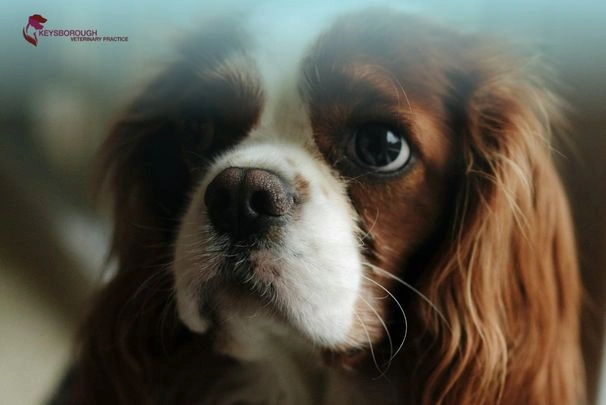
You reach down to give your dog a pat and notice their nose feels dry and warm. Cue the panic spiral. Is something wrong? Are they sick? Should you call the vet?
Take a breath. A dry nose does not automatically mean something is wrong with your dog. This is one of the most common concerns we hear at Keysborough Veterinary Practice from dog owners across Melbourne, and the answer is usually reassuring. That said, there are times when a dry nose is worth taking seriously, and knowing the difference is what this guide is all about.
The Myth: A Dry Nose Is a Sign of Illness
Let’s bust this one early.
The old belief that a dry nose is a sign of illness has been passed around for generations, but it is simply not accurate on its own. A dry nose doesn’t always mean your dog is sick. Context matters enormously here. Your dog’s nose can go from moist to dry several times throughout a single day, and most of the time, there is a perfectly normal explanation.
Why Do Dogs Have Wet Noses in the First Place?
Before we get into what causes dryness, it helps to understand why dogs have wet noses at all.
A dog’s nose contains special glands inside the nostrils that produce mucus to keep the nasal canals moist. A thin layer of mucus clings to the nostrils, enhancing the absorption of scent chemicals and improving their ability to smell.
Here is a quick breakdown of why a wet nose matters so much:
1. Sense of smell — Wet noses work better than dry ones because scent particles stick better to damp surfaces.
2. Scent processing — Dogs also lick their noses to gather scent particles into the mouth, where Jacobsen’s organ processes them.
3. Cooling — The special mucus glands also produce clear, watery fluid that helps cool the dog as it evaporates.
4. Communication — A moist nose helps dogs read their environment in fine detail.
Dogs lick their noses to keep them clean, whether it is food from their bowl, pollen from a flower, or dust under the couch. So, a wet nose is normal, and when your dog stops licking for a while, the nose naturally dries out.
Normal Reasons Your Dog’s Nose May Be Dry
A dry nose in dogs is often completely harmless. Here are the most common reasons it happens:
1. They just woke up from a nap.
When dogs sleep, they aren’t licking their noses as frequently. As a result, their nose can become dry. This is perfectly normal, and you will likely notice their nose returns to its usual moist state shortly after they wake up.
2. Sun or heat exposure,
Melbourne summers are harsh. If your pup has been lounging in the backyard or near a heater, the heat dries things out fast. Low humidity can quickly dry out a dog’s nose, just like we get chapped lips or dry hands during cold, dry weather.
3. Dehydration after exercise
Dehydration causes a dry nose, and this could be the result of strenuous exercise, especially in hot summer weather. Make sure your dog has access to plenty of cool, fresh water.
4. Age
As dogs get older, they tend to produce less of the mucus that helps keep their nose moist. For this reason, drier noses in dogs are more common as they age.
5. Breed:
Some breeds are naturally prone to a drier nose. Pugs and Bulldogs, along with other brachycephalic breeds, often have shorter snouts that make it harder for them to lick their noses properly. Any type of dog with a “smashed” face is known as a brachycephalic dog, and these dogs experience a wide variety of breathing difficulties and respiratory health problems, including frequent dry noses.
6. Plastic food bowls.
This surprises a lot of pet owners. Some dogs develop a mild allergy or sensitivity to plastic, which can cause the skin around the nose to dry out or become irritated. Switching to stainless steel or ceramic bowls is worth trying.
When a Dry Nose IS a Concern
A dry nose doesn’t always spell trouble, but there are situations where your dog’s dry nose is accompanied by other signs that mean it is time to pay closer attention.
Watch out for the following:
- Cracked or bleeding nose — a cracked nose that splits or bleeds is painful and may need treatment
- Crusty or flaky texture — thick, rough build-up on the skin on your dog’s nose is not normal
- Colour changes — the nasal skin losing its pigment or turning from black to pink can indicate an underlying condition
- Discharge alongside dryness — a runny nose combined with dryness warrants a vet visit
- Lethargy — if your dog is also low-energy and listless, do not wait
- Loss of appetite or lack of appetite — when a dog is sick, appetite is usually one of the first things to change
- Chronically dry nose — if the nose becomes dry and stays dry for days on end, it is worth getting checked
Conditions Linked to Nose Changes in Dogs
1. Autoimmune Conditions
While a dry nose doesn’t always indicate a serious issue, it can sometimes be a symptom of an underlying autoimmune disease. Two common ones include pemphigus, which affects the skin and mucous membranes, causing crusty sores and cracking, and Systemic Lupus Erythematosus, which can affect multiple organs.
Discoid lupus, for example, can occur when the immune system becomes faulty and starts attacking normal tissue. The skin around the nose loses its pigment, and areas that are black turn pink.
2. Sunburn (A Real Risk for Melbourne Dogs)
Australia’s UV index is among the highest in the world, and Melbourne is no exception. Prolonged exposure to the sun’s UV rays can cause the skin on your dog’s nose to become dry, red, and flaky. Breeds with light-coloured noses or thin fur are particularly susceptible to sunburn.
If your canine companion spends a lot of time outdoors during summer, apply a pet-safe sunscreen to their nose, particularly if they have a pink or pale snout.
3. Nasal Hyperkeratosis
Nasal hyperkeratosis is a condition characterised by an overproduction of keratin, a protein that forms the outer layer of the skin. This leads to a thick, crusty buildup on the nose, making it appear dry and cracked. PetLab Co It is more common in older dogs and certain breeds, and while it is often cosmetic, it can become uncomfortable if left untreated.
4. Allergies
Dogs can suffer from allergies just like humans. Allergies to certain foods, environmental elements like pollen, or even household products can cause a dry nose and irritation. Wofainc Environmental allergens include dust, pollen, and mould. Cleaning your house regularly is one of the best ways to keep your pup from developing this type of allergy. Cornerstone Vet Hospital
5. Blocked Tear Ducts
Blocked tear ducts, also known as nasolacrimal duct obstruction, can cause a dog’s nose to become dry. Tear ducts are responsible for draining tears from the eyes into the nasal cavity. When these ducts are blocked, tears cannot properly drain, leading to dry eyes and a dry nose.
What a Healthy Dog’s Nose Should Look and Feel Like
A healthy dog nose should generally:
- Feel slightly cool and damp to the touch
- Have a smooth or slightly textured surface with no cracks
- Be consistent in colour (no sudden changes)
- Have no visible discharge or crust
- Nose is moist but not excessively runny
It is worth knowing your individual dog’s normal. Some dogs simply run drier than others, and that is fine as long as they are happy, eating well, and behaving normally.
When to See the Vet vs. When to Just Moisturise
Here is a quick reference to help you decide:
Dry nose after sleep or exercise — Monitor, offer water, wait.
Mildly dry nose with no other symptoms — Try a dog-safe nose balm or a nose balm from your vet.
Dry nose with cracking or flaking — Book a vet appointment.
Dry skin, colour changes, or sores on the nose — See the vet promptly.
Dry nose with lethargy, loss of appetite, or fever — See the vet as soon as possible.
Suspected allergy with recurring symptoms — Vet check for diagnosis.
A gentle, dog-safe nose balm can help with mild dryness, especially in older dogs or breeds prone to it. Always use products made for dogs, since they lick their nose constantly, and whatever you apply will end up in their mouth.
Quick Facts: The Nose Your Dog Relies On
- Dog noses contain more than 100 million sensory receptor sites in the nasal cavity, compared to 6 million in humans
- Australia is home to 7.3 million dogs, with 73% of Australian households owning at least one pet.
- Australians spend an estimated $21.3 billion on their pets each year
- A dog’s sense of smell is estimated to be 10,000 to 100,000 times more sensitive than ours
Talk to the Team at Keysborough Veterinary Practice
If you’re a dog owner in Melbourne’s south-east and something about your pup’s nose doesn’t look or feel right, come and see us. Keysborough Veterinary Practice is your trusted local animal hospital for all things canine health. Whether it is a routine check or a concern that has been worrying you, our team in Melbourne is here to help.
We are proud to serve pet owners across Melbourne and surrounding suburbs with compassionate, expert care.
Frequently Asked Questions
1. Is a dry nose always a sign that my dog is sick?
No. A dry nose doesn’t necessarily mean your dog is unwell. Sleep, heat, and age are all common causes of a temporarily dry nose with no underlying health issue.
2. Why do dogs lick their noses so much?
Dogs lick their noses to keep them clean, to spread moisture, and to transfer scent particles to the roof of their mouth for better smell processing.
3. My dog’s nose is dry, and they seem off. What should I do?
If your dog’s dry nose is accompanied by lethargy, loss of appetite, or any changes in behaviour, contact a veterinarian promptly. These signs together are worth investigating.
4. Can I put anything on my dog’s dry nose at home?
Yes, a dog-safe nose balm from a vet or reputable pet store is a safe option for mild dryness. Avoid human moisturisers, which can be harmful if ingested.
5. Do some breeds get dry noses more often?
Yes. Brachycephalic breeds like Pugs and Bulldogs, and older canine companions are more prone to a naturally drier nose due to anatomy and reduced mucus production with age.
