



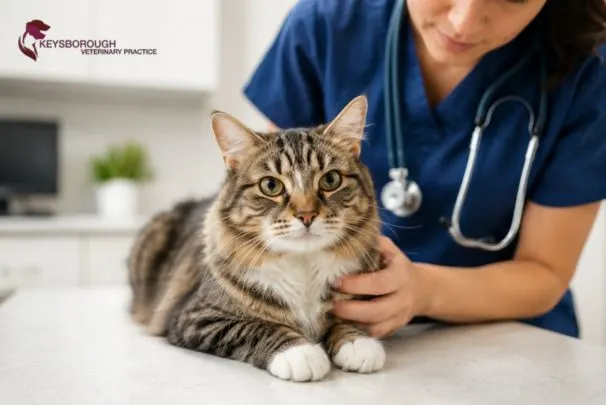
If your cat is drinking more, losing weight, or seems unusually tired, these could be early signs of diabetes in cats. The most common indicators of diabetes are increased thirst, increased urination, weight loss despite a normal or bigger appetite, and lethargy.
The good news is that diabetes mellitus in cats is very manageable. With early diagnosis and the right care, most cats go on to live full, comfortable lives. Some even reach remission. Catching the signs early is the biggest factor in a good outcome.
Early Signs of Diabetes in Cats
Diabetes mellitus develops gradually. Many cat owners notice small changes before anything seems seriously wrong. Here are the early signs of diabetes to watch for.
-
Increased thirst (polydipsia)
A cat with diabetes often drinks far more water than usual. You might notice the water bowl needs topping up more often, or your cat visiting the tap or a dripping sink more frequently. This is one of the earliest and most consistent signs of diabetes in cats.
-
Increased urination
More drinking means more urinating. Some diabetic cats start having accidents outside the litter tray, or you may notice heavier, wetter clumps if you use clumping litter. This symptom often appears alongside increased thirst, and the two together are a strong early indicator.
-
Weight loss despite eating normally or more
This is one of the more common signs of diabetes in cats. The body cannot use glucose properly for energy, so it starts breaking down fat and muscle instead. A cat can be eating well and still be losing weight steadily over several weeks.
-
Increased appetite
Some diabetic cats seem hungrier than usual. This is the body’s attempt to get more fuel, even though it cannot process the glucose from that food efficiently. Owners sometimes describe this as their cat “never being satisfied” at mealtimes.
-
Lethargy or reduced activity
A cat that suddenly sleeps more, plays less, or seems flat could be showing early signs of diabetes. This can be subtle at first, especially in older cats who are already less active day to day.
-
Unkempt coat
Cats with diabetes may groom themselves less. A dull, greasy, or matted coat can be one of the clinical signs owners notice but do not immediately connect to diabetes. It is often mistaken for a sign of ageing rather than illness.
Later or More Advanced Signs
If diabetes mellitus in cats is left undiagnosed, more serious clinical signs of diabetes can appear.
-
Weakness in the back legs
Some diabetic cats develop a condition called diabetic neuropathy. This causes weakness in the back legs, and affected cats may walk flat-footed on their hocks rather than up on their toes. This gives a distinctive, dropped-down gait that owners often describe as their cat looking “wobbly” or “weak behind.”
-
Vomiting
Vomiting can be a sign that diabetes has progressed or that another condition is developing alongside it. Persistent vomiting in a diabetic cat should never be ignored.
-
Poor appetite
A sudden drop in appetite in a cat that was previously eating well is a red flag. It can point to a serious complication called diabetic ketoacidosis, a condition where the body starts producing harmful levels of acids called ketones.
These later signs are not a “wait and see” situation. A diabetic cat showing any of these needs urgent veterinary attention, not a routine booking.
What Causes Diabetes in Cats?
The most common form of diabetes in cats resembles type 2 diabetes in humans. It usually involves a mix of relative insulin deficiency and reduced insulin sensitivity in the body’s tissues, rather than a total loss of insulin production. This is different from type 1 diabetes, which involves much more limited insulin production and is rare in cats.
In practical terms, this means most diabetic cats still produce some insulin. Their bodies simply cannot use it effectively, or cannot produce enough to keep up with demand. Over time, this leads to consistently high blood glucose, which is what causes the clinical signs described above.
Risk factors for diabetes in cats
Certain cats are more likely to develop diabetes than others. Known risk factors include:
- Being overweight or obese. Obese cats are significantly more likely to develop diabetes than cats at a healthy weight, since excess body fat reduces the body’s sensitivity to insulin.
- Being an older cat. The risk of developing diabetes increases with age, and most diagnoses occur in middle-aged to senior cats.
- Being male. Desexed male cats appear to be overrepresented in diabetes cases compared to females.
- Breed. In Australia, Burmese cats have a well-documented predisposition to this condition. A study across two feline-only veterinary practices in Australia found a 5-year period prevalence of diabetes of 7.4 cases per 1,000 cats overall, but that figure rose sharply to 22.4 cases per 1,000 cats among Burmese cats. Australian research has consistently flagged this breed as being at greater risk than other domestic cats. Globally, feline diabetes mellitus is estimated to affect around one in every 200 cats, so it is not a rare condition in pets overall.
- Certain medications or other health conditions. Some underlying illnesses and long-term medications can increase insulin resistance, contributing to the development of diabetes.
How Is Diabetes in Cats Diagnosed?
Diagnosis of diabetes usually involves a combination of tests, since a single blood glucose reading is not always enough to confirm the condition on its own.
- Blood glucose testing. A high blood glucose reading is the main indicator, though cats can show temporary spikes from stress alone, particularly during a vet visit.
- Urine testing. Checking for glucose and ketones in the urine helps confirm the diagnosis and rule out other conditions, including kidney disease in cats, which can share some symptoms with diabetes.
- Fructosamine testing. This test measures average blood glucose over the previous couple of weeks. It is particularly useful in cats, since a single stressed visit to the vet can temporarily raise blood glucose and give a false picture of the animal’s true condition.
Getting an accurate diagnosis and treatment plan usually means combining these tests rather than relying on just one. Our team offers full diagnostic pathology in house. You can read more about our general pathology services here.
Is Diabetes in Cats Treatable?
Yes. Diabetes in cats is a manageable, treatable condition, and many cats respond very well once management begins.
The main treatment option is insulin injections given at home, usually alongside a change of diet. Diabetic cat food is typically higher in protein and lower in carbohydrates, which helps support more stable blood glucose throughout the day. Some cats on insulin, especially those diagnosed early and helped to reach a healthy weight, go into remission and no longer need ongoing insulin treatment.
Types of insulin, insulin dose, and the exact treatment plan will always be tailored by your vet to your individual cat’s needs. We won’t cover specific dosing here, as this depends entirely on your cat’s weight, bloodwork, and response to treatment over time. Managing diabetes in cats safely depends on your vet assessing your cat directly and adjusting the plan as needed.
Caring for your diabetic cat at home also involves consistent feeding times, monitoring water intake, and watching for any changes in behaviour. Most owners find that this becomes routine within a few weeks.
Without insulin or with inconsistent treatment, uncontrolled diabetes can lead to serious complications, including diabetic ketoacidosis, which is a medical emergency requiring immediate veterinary care.
How to Reduce Your Cat’s Diabetes Risk
While not every case can be prevented, there are practical steps that lower the risk of developing diabetes.
-
Maintaining a healthy weight
Since obese cats are at much higher risk, keeping your cat at a healthy weight through appropriate diabetic cat food or an appropriate everyday diet, along with regular activity, is one of the most effective things you can do. Even modest, gradual weight loss in an overweight cat can meaningfully lower diabetes risk.
-
Regular wellness checks
Routine check-ups mean changes in weight, thirst, or energy get picked up early, often before you would notice them at home. This is especially important for older cats and Burmese cats, given their higher risk profile. Regular bloodwork as part of a wellness check can also catch early changes in blood glucose well before obvious symptoms appear.
You can find out more about our wellness and vaccination services here.
When to See a Vet in Keysborough
If your cat is showing any combination of the early signs above, especially increased thirst and urination together, it is worth booking a check-up. Early diagnosis of diabetes gives your cat the best chance at a smooth path to management, or even remission.
If your cat is showing more advanced signs, such as back-leg weakness, vomiting, or a sudden loss of appetite, this needs urgent attention rather than a standard appointment. You can find details of our urgent care service here.
Our Keysborough-based team has supported cat owners across Melbourne’s south-eastern suburbs with diagnosis and ongoing management of feline diabetes for years. Whether you’re in Keysborough itself or one of the surrounding Melbourne suburbs, our Melbourne vet clinic is set up to handle both routine diagnosis and ongoing diabetes management. You can read more about our practice and team here.
Ready to get your cat checked? Book an appointment with our Keysborough team today.
FAQs
Can diabetes in cats be reversed
Some cats do reach remission, particularly with early diagnosis and weight management. It is not guaranteed, but it is a realistic goal for many diabetic cats.
Is diabetes in cats common in Australia
It is not rare. Australian research found a 5-year prevalence of around 7.4 cases per 1,000 cats, rising notably in Burmese cats.
How long can a cat live with untreated diabetes
This varies a lot between cats. Untreated diabetes can lead to serious complications, so early veterinary care matters more than a general timeframe.
Are certain cat breeds more prone to diabetes
Yes. Burmese cats are consistently identified in Australian studies as having a higher risk than other breeds.
