



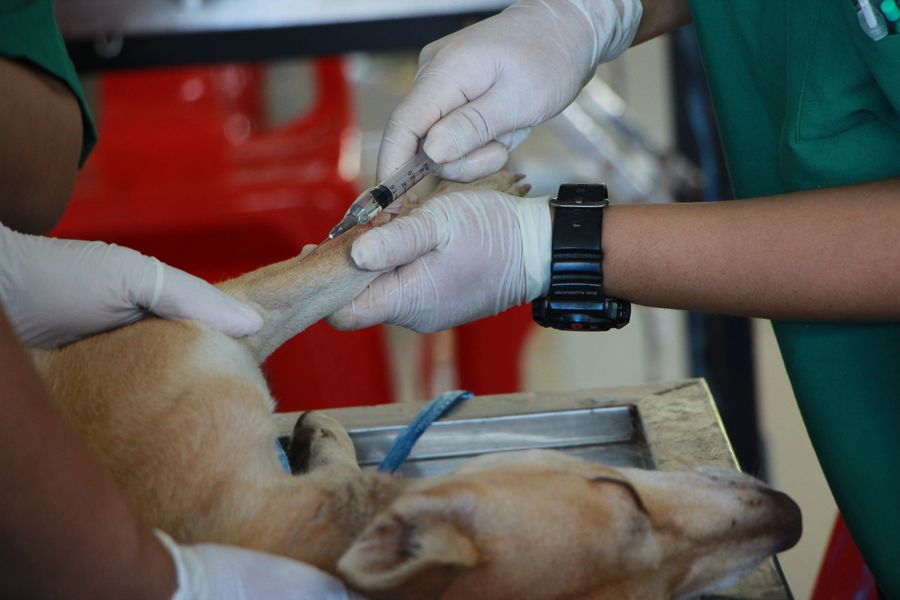
Most dogs living in Melbourne do not receive a routine rabies injection. Rabies is not established in Australia, so the question usually comes up because a dog is travelling overseas, entering Australia from another country, or has a specific exposure concern.
The requirements depend on the country, route, timing and documents involved. If you are in Keysborough or Melbourne’s south-east, contact our team early so we can check what your dog needs and what must be completed by an approved veterinarian or government authority.
Why would a dog need a rabies vaccination?
Rabies vaccination is most commonly connected with international movement. Some countries require proof of vaccination before a dog enters, while others also require identification, blood testing, parasite treatment, health certificates or quarantine steps.
The exact rules can change. Do not rely on a social-media post, an old travel checklist or a vaccine certificate from a previous trip. The Department of Agriculture, Fisheries and Forestry and the destination country’s official authority should be checked for current requirements.
Does every dog need a rabies injection?
No. A dog that lives in Australia and is not travelling does not automatically need rabies vaccination. Australian dogs still need their routine vaccinations, which protect against diseases relevant to their normal life and travel within Australia.
A rabies vaccine may be considered when an official export or import process requires it. Your vet will need to check the dog’s microchip details, health, vaccination history, destination rules and timing before advising what can be done. For routine protection, read about our vaccination and wellness care.
When should you start planning?
Start as soon as international travel or importation is being considered. Some destinations require the rabies vaccine before a blood test, and the blood test may need to be completed within a particular window before travel.
There may also be waiting periods, permit applications, treatments and certificates. A last-minute appointment may not leave enough time to meet every requirement. Official rules control the timeline, not the date that suits the flight booking.
What happens at the appointment?
We review your dog’s history, scan the microchip, discuss the destination and check the current instructions that apply. If vaccination is appropriate, the vet will explain the product, timing, possible reactions and any follow-up testing or paperwork.
Bring previous vaccination records, import or export documents, microchip details and the planned travel dates. If another vet has already started the process, bring every certificate and laboratory result rather than relying on memory.
Are there side effects?
Vaccination can cause short-lived effects such as soreness, tiredness or a small swelling at the injection site. More serious reactions are uncommon but can happen. Contact the clinic if your dog develops facial swelling, breathing difficulty, collapse, repeated vomiting or another concerning change after an injection.
A vaccine is not a guarantee that a dog cannot become ill. It is one part of a disease-prevention and travel process, and its use must match the dog’s circumstances and official requirements.
What if your dog has been exposed to a suspicious animal?
Do not wait for an online diagnosis. Keep your dog away from people and other animals, avoid handling saliva, and call a vet or the relevant public health authority for instructions. If a person has been bitten or exposed to saliva, they should seek urgent medical advice.
Keysborough Veterinary Practice provides daytime veterinary care during opening hours. Critically unwell animals may need referral to a 24-hour facility, and the current after-hours option should be confirmed by phone rather than assumed. For a problem that needs attention during the day, see our urgent pet care service before calling.
What else may be needed for travel?
Depending on the destination, the process may include:
- an ISO-compliant microchip
- a vaccination certificate
- a rabies antibody blood test
- parasite treatment
- an official health certificate
- an import permit
- quarantine or inspection
- airline and crate requirements
These are not the same for every country. The destination authority’s current rules take priority over this general guide.
Speak with our Keysborough veterinary team
Call Keysborough Veterinary Practice on (03) 9798 7274 before making travel arrangements, or review our dog vaccinations information. We are on Chapel Rd, Keysborough, and provide care during opening hours.
Frequently asked questions
1. Is rabies common in Australian dogs?
Rabies is not established in Australia. A local dog does not automatically need a rabies injection unless a specific travel, import or exposure situation makes it relevant.
2. Can my dog get a rabies injection in Melbourne?
The practice can discuss vaccination and travel requirements, but current product availability and the official process must be confirmed before booking.
3. How long before travel should the vaccine be given?
The required timing depends on the destination and the rest of the travel process. Start early and check the current official requirements.
4. Does a rabies vaccine replace ordinary dog vaccinations?
No. Rabies vaccination, where required, is separate from routine protection against diseases relevant to dogs living in Australia.
5. What records should I bring?
Bring the microchip number, vaccination history, travel dates, destination information and any previous certificates or laboratory results.
