



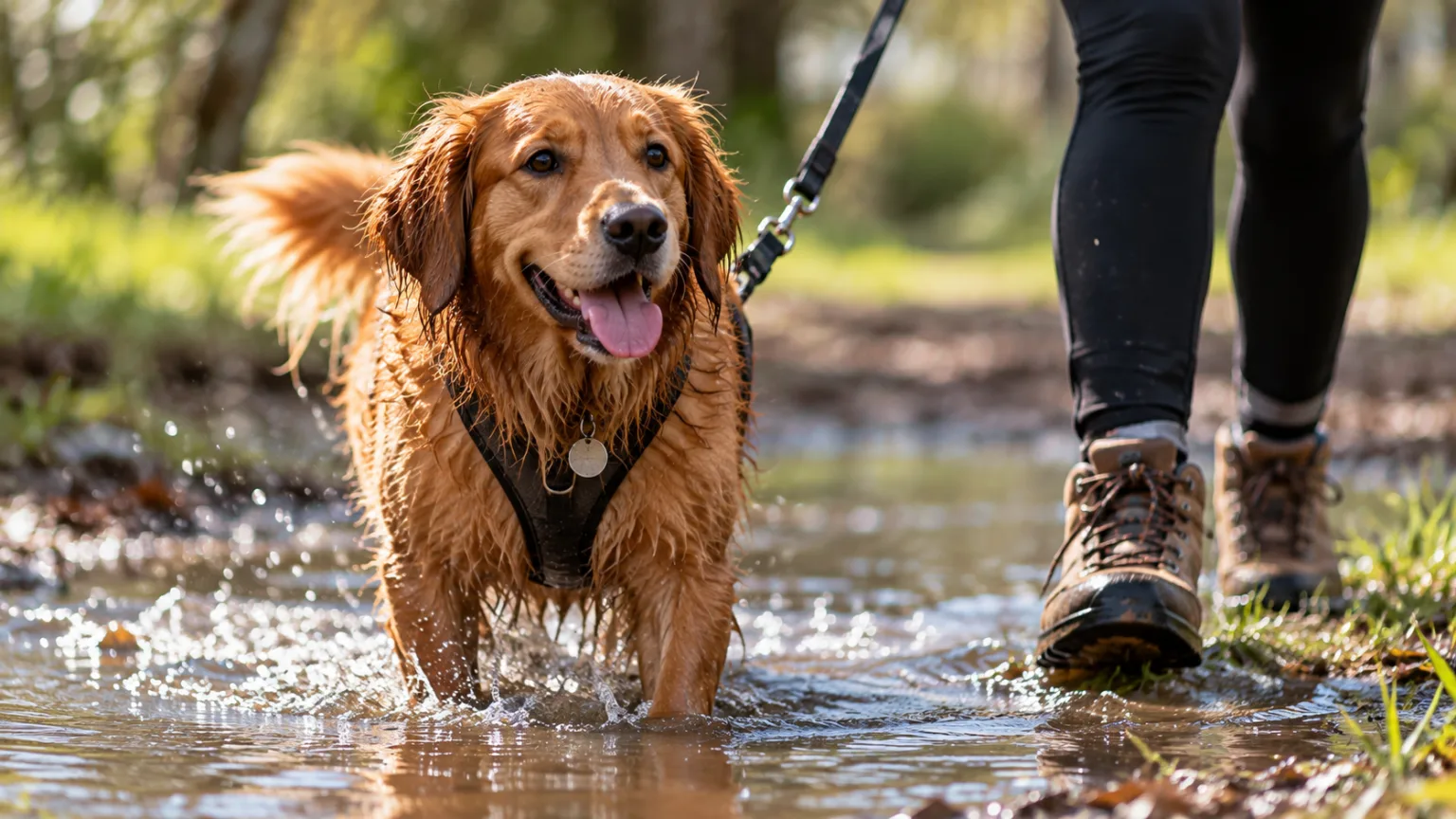
Leptospirosis is a bacterial disease that can damage a dog’s kidneys and liver and can also infect people. Dogs may be exposed through urine from infected animals or through contaminated water, wet soil and vegetation. Risk varies with geography, wildlife and rodent exposure, travel and lifestyle, so vaccination is discussed individually rather than assumed for every dog.
If your dog is suddenly unwell with vomiting, lethargy, poor appetite, changes in urination, jaundice or possible contaminated-water exposure, call a veterinarian promptly. This guide explains leptospirosis in dogs for Melbourne owners, including how exposure occurs, why signs are not specific, what testing may involve, household precautions and how we approach vaccination at Keysi Vet.
What is leptospirosis?
Leptospirosis is caused by bacteria from the genus *Leptospira*. Different variants, called serovars, circulate in different animal hosts and places. Infection can range from no obvious illness to severe multi-organ disease.
The bacteria can enter through mucous membranes or damaged skin after contact with infected urine, tissues, water or wet ground. Rodents are an important source, but cattle, pigs, wildlife and dogs can also be involved depending on the setting.
Is leptospirosis present in Melbourne?
Leptospirosis can occur in urban as well as rural environments. A city dog does not have zero risk simply because it never visits a farm. Rodents, stagnant water, flooding, wetlands, travel and contact with animal urine can all affect exposure.
We avoid declaring every Melbourne park or puddle dangerous. Instead, we ask about the individual dog:
- Does the dog investigate or hunt rodents?
- Is there rodent activity around home, work or food storage?
- Does the dog swim or drink from creeks, ponds or floodwater?
- Does it visit farms, piggeries or cattle properties?
- Does it camp, hike or travel outside metropolitan Melbourne?
- Does it attend areas with many dogs and standing water?
- Has local disease information changed?
Those details help us discuss risk more honestly than postcode alone.
How can dogs be exposed?
Possible routes include:
- Drinking contaminated surface water.
- Contact of eyes, mouth, nose or broken skin with contaminated water or soil.
- Contact with urine from an infected animal.
- Bites or eating infected animal tissue.
- Exposure during travel to a higher-risk environment.
Leptospira bacteria favour moisture. Drying and appropriate disinfection reduce survival, but an owner cannot identify contaminated water by looking at it.
| Situation | Sensible risk-reduction step |
| Rodent activity near pet food | Store food securely and address rodents safely |
| Floodwater or stagnant puddles | Prevent drinking and unnecessary wading |
| Farm or livestock access | Discuss travel and occupational exposure with the vet |
| Camping near waterways | Carry clean drinking water and supervise access |
| Suspected infected-animal urine | Avoid direct contact and seek veterinary advice |
Risk reduction lowers exposure; it cannot guarantee prevention.
What signs can leptospirosis cause in dogs?
The signs overlap with many other illnesses. Some dogs are mildly affected, while others develop acute kidney injury, liver disease, bleeding or respiratory complications.
Possible signs include:
- sudden lethargy or weakness
- reduced appetite
- vomiting or diarrhoea
- fever or abnormal temperature
- abdominal or back pain
- increased thirst and urination
- very little or no urine
- dehydration
- yellow gums, skin or eye whites
- muscle pain, stiffness or reluctance to move
- bruising, nosebleed or blood in vomit or stool
- coughing or breathing difficulty
The Merck Veterinary Manual’s current review describes kidney disease as a common presentation and notes that liver, bleeding and respiratory signs can also occur.
No single sign confirms leptospirosis. A dog with vomiting and kidney changes could have toxin exposure, another infection, obstruction or a different medical problem.
When is it urgent?
Call promptly for an acutely unwell dog, especially after plausible exposure. Seek urgent veterinary assessment for repeated vomiting, marked weakness, pain, jaundice, reduced urination, collapse or breathing difficulty.
| Sign | Action |
| Mild change but normal drinking, urination and activity | Call for advice and monitor as directed |
| Vomiting, poor appetite or marked lethargy | Arrange prompt assessment |
| Little or no urine, jaundice or bleeding | Urgent veterinary care |
| Collapse or breathing difficulty | Emergency care immediately |
Our urgent care service operates during clinic hours. We are not staffed overnight. Call ahead so we can guide you to the appropriate facility if your dog needs care outside our hours.
What should I do if exposure is possible?
Do not wait for signs if there has been a known high-risk exposure to a confirmed or strongly suspected case. Call a veterinarian and describe the date, water source, animal contact, vaccination status and any symptoms.
Until you receive advice:
- prevent contact with urine
- keep children and other pets away from soiled areas
- wear gloves to clean urine if it is safe to do so
- wash hands with soap and water
- do not hose contaminated urine into shared areas
- tell veterinary staff before arrival that leptospirosis is a concern
Do not start leftover antibiotics. Timing, drug choice, testing and public-health precautions need veterinary direction.
Why is leptospirosis called zoonotic?
A zoonosis is an infection that can pass between animals and people. Direct transmission from a treated pet may not be the most common human route, but infected dogs can shed bacteria in urine and appropriate precautions matter.
If a dog is diagnosed or strongly suspected, the veterinary team will explain handling and cleaning measures. Anyone who has had relevant exposure and develops illness should contact their doctor and mention possible leptospirosis exposure. Veterinary advice cannot replace human medical advice.
Victoria’s Department of Health recommends measures including avoiding potentially contaminated water, covering skin abrasions and using protective equipment in risk settings. Good hand hygiene and avoiding urine contact are practical household steps.
How do vets diagnose leptospirosis?
Diagnosis combines exposure history, examination, organ-function testing and specific tests. Vaccination history affects interpretation, so bring the full record.
The veterinarian may recommend:
- complete blood count and biochemistry
- electrolyte and acid-base assessment
- urinalysis
- tests for kidney and liver function
- PCR testing on blood or urine
- antibody testing, sometimes using paired samples
- X-rays or ultrasound to assess complications or alternatives
Our general pathology service can perform many urgent blood and urine tests on site, while specialised samples may go to an external laboratory. Our X-ray and ultrasound service may support assessment where clinically indicated.
No test result should be read in isolation. Disease stage, antibiotics and vaccination can affect results.
How is leptospirosis treated?
Treatment usually includes appropriate antibiotics and supportive care for the affected organs. A dog with acute kidney injury may require hospitalisation, intravenous fluids, close urine monitoring, anti-nausea medicine and other intensive support. Severe cases may need services beyond a general daytime clinic.
The treatment plan depends on:
- kidney and liver function
- hydration and urine production
- vomiting and ability to take medicine
- bleeding or respiratory complications
- other health conditions
- response over the first hours and days
Early treatment is important, but no article can predict outcome for an individual dog. Some recover, some develop chronic kidney consequences, and some become critically ill.
Should Melbourne dogs be vaccinated?
Leptospirosis vaccination is risk-based in Australia. Animal Welfare Victoria’s routine healthcare guidance for dogs states that the vaccine may be required depending on geography, environment and lifestyle.
At the appointment, we consider:
- home and travel locations
- rodent and livestock exposure
- access to surface water or flood-prone areas
- previous vaccine history
- age, health and prior vaccine reactions
- current local recommendations and product information
Vaccination does not protect against every possible serovar and does not replace exposure reduction. The initial course and booster schedule depend on the product and the dog’s history. We will explain the current label schedule rather than placing a fixed timetable in an article that can become outdated.
What reactions can occur after vaccination?
Short-lived tiredness, injection-site soreness or reduced appetite can occur after many vaccines. More serious reactions are uncommon but require prompt attention.
Contact a veterinarian urgently for:
- facial swelling
- hives
- breathing difficulty
- collapse
- repeated vomiting
- marked weakness
- another rapidly worsening change
Tell us about previous reactions before vaccination. Risk-benefit discussion should be individual and should not describe any vaccine as completely risk-free.
How does leptospirosis vaccination fit with routine vaccines?
The usual core canine vaccines protect against different diseases such as parvovirus, distemper and infectious hepatitis. A leptospirosis vaccine, when indicated, is additional and follows its own schedule.
Our dog vaccination service includes reviewing lifestyle, travel and previous records. Bring certificates so we can identify the exact products and dates already given.
Reducing risk around home and outdoors
Vaccination and environmental measures work together.
- Store pet food in sealed rodent-resistant containers.
- Clean spilled food and secure household rubbish.
- Use safe, professional rodent control that does not expose pets to poison.
- Prevent drinking from stagnant water and floodwater.
- Carry clean water on walks and trips.
- Cover your own cuts when cleaning animal areas.
- Wear gloves when handling urine from a suspected case.
- Discuss farm, camping and interstate travel at health checks.
Rat bait is itself dangerous to pets, so do not scatter poison where dogs can access it or poisoned rodents. Seek veterinary advice immediately after suspected bait ingestion.
Call Keysi Vet about leptospirosis risk
For questions about leptospirosis in dogs, Melbourne owners should discuss the dog’s real lifestyle rather than follow a universal social-media rule. Keysi Vet is at 4–8 Chapel Road, Keysborough.
Call us on (03) 9798 7274 to discuss possible exposure, illness or vaccination. Tell reception immediately if your dog is vomiting, weak, jaundiced, passing little urine or may have contacted contaminated water or animal urine.
Frequently asked questions
1. Can an indoor or suburban dog get leptospirosis?
Potentially. Rodents and contaminated water can occur in urban environments. Individual risk still varies and should be discussed with a veterinarian.
2. Can cats get leptospirosis?
Cats can be exposed, but clinical disease is reported differently and routine canine vaccine advice does not transfer to cats. Call us about a specific exposure rather than using dog guidance.
3. Does vaccination guarantee my dog cannot become infected?
No. Vaccines target particular serovars and reduce risk; they do not cover every variant or replace environmental precautions.
4. Is leptospirosis contagious to my family?
It is zoonotic, and contact with infected urine is a concern. Follow veterinary precautions and seek human medical advice for relevant exposure or symptoms.
