



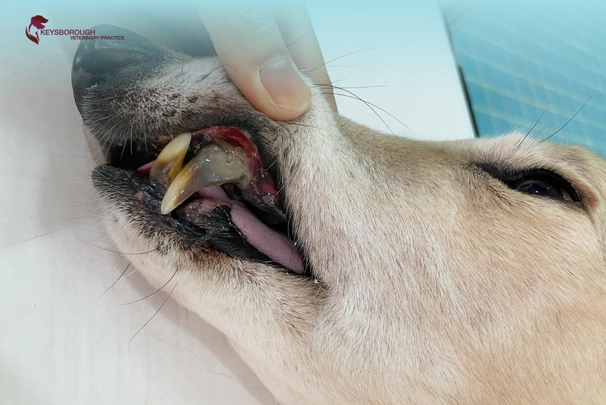
Dental disease is one of the most common health problems seen in pets. According to the RSPCA, around 70 per cent of cats and 80 per cent of dogs show some level of dental disease by the time they are three years old. Yet it often goes unnoticed until it becomes painful.
This guide walks you through what a professional pet dental clean actually involves. We cover the main cost factors, what a typical dental procedure includes, and why choosing an experienced vet for dentistry in Keysborough makes such a difference to your pet’s long-term health.
Why Dental Health Matters for Pets
Dental disease is not just about bad breath. Left untreated, it can lead to infection, chronic pain, and tooth loss.
It can also affect more than the mouth. Bacteria from infected gums can enter the bloodstream. From there, it may settle in the liver or kidneys, and in some cases, affect the heart too. The Australian Veterinary Association reports that four out of five dogs and cats over the age of three show some grade of dental disease, which is why regular check-ups matter so much.
The market for pet dental care is also growing here in Australia, as more owners treat oral health as a routine part of pet care rather than an afterthought, according to Grand View Research. That shift reflects a wider understanding of just how much dental disease can affect a pet’s quality of life.
Watch for these common signs of dental disease in your dog or cat:
- Bad breath that does not go away
- Yellow or brown tartar builds up on the teeth
- Reluctance to eat, or chewing on one side only
- Drooling more than usual
- Pawing at the mouth or face
- Red, swollen, or bleeding gums
If your pet is showing any of these signs, it is worth booking a check-up sooner rather than later. Many Melbourne pet owners wait until symptoms are obvious, but early treatment is usually simpler and kinder to your pet.
What’s Included in a Professional Pet Dental Cleaning
A proper pet dental cleaning is a lot more than a quick scale and polish. Here is what a thorough dental procedure at a vet clinic usually involves.
Pre-anaesthetic health check and bloodwork
Before any anaesthetic, your vet will examine your pet and often recommend bloodwork. This checks organ function and helps confirm your pet is a safe candidate for anaesthesia. Our team has also written a separate guide on blood tests for pets if you would like to understand this step in more detail.
Anaesthesia
A pet dental clean requires general anaesthesia. This might sound daunting, but it is necessary for a safe and thorough job. Pets will not sit still with their mouth open, and a full check below the gumline simply is not possible while they are awake. Anaesthesia also means no pain or stress for your pet during the procedure.
Scaling and polishing
Scaling removes built-up plaque and tartar from the tooth surface, above and below the gumline. Polishing follows to smooth the tooth surface, which helps slow new plaque from forming as quickly.
Dental x-rays
Dental disease often hides below the gumline, where the naked eye cannot see it. An x-ray, or radiograph, lets your vet check the tooth roots and surrounding bone for problems that are not visible during a standard exam.
Extractions if needed
If a tooth is too damaged or diseased to save, extraction may be recommended. Your vet will always discuss this with you first and provide pain relief as part of the pet’s recovery plan.
What Affects the Cost of a Pet Dental Cleaning
The cost of a pet dental cleaning depends on several individual factors, including:
- How severe the tartar build-up or dental disease is
- Whether any extractions are needed
- Your pet’s size, age, and overall anaesthetic risk
- Whether pre-anaesthetic bloodwork is recommended
Bloodwork is an added cost, but it is a valuable one. It gives your vet a clearer picture of your pet’s health before anaesthesia, which supports a safer procedure overall.
General Cost Expectations
Costs for a pet dental cleaning vary quite a bit from one pet to the next. Every mouth is different, and the right treatment plan depends on what your vet finds during the initial consultation. The best way to get an accurate idea of cost is to contact our Keysborough clinic directly for a quote tailored to your pet.
Many Melbourne pet owners ask us for a fixed price up front, and it is a fair question. The honest answer is that a quote is only accurate once your vet has examined your pet and knows whether extractions or extra treatment are likely. A young, healthy dog with mild tartar will usually need less than an older cat with advanced dental disease and several teeth to remove.
You may come across cheaper “anaesthesia-free” dental options advertised elsewhere. These are best avoided. Without anaesthesia, a vet or veterinary nurse can only clean the visible surface of the tooth. Disease sitting below the gumline goes undetected and untreated, so the underlying problem is still there, just hidden from view.
Cost breakdown: what you are paying for
| Service Component | Why It’s Needed |
| Pre-anaesthetic consultation and bloodwork | Confirms your pet is a safe candidate for anaesthesia and flags any health concerns early |
| Anaesthesia and monitoring | Keeps your pet pain-free and still throughout the procedure, with a nurse tracking vital signs |
| Scaling and polishing | Removes plaque and tartar above and below the gumline, then smooths the tooth surface |
| Dental x-rays | Checks tooth roots and jaw bone for hidden disease not visible during a standard exam |
| Extractions (if required) | Removes teeth too damaged or diseased to save, with pain relief included in the recovery plan |
| Post-procedure medication | Supports healing and manages any discomfort after the clean |
How to Prevent Costly Dental Problems
Good daily habits at home can go a long way toward preventing costly dental problems down the track. Here are a few simple ways to look after your pet’s teeth between check-ups:
- Brush your dog or cat’s teeth a few times a week with a pet-safe toothpaste
- Offer dental chews designed to help reduce plaque build-up
- Ask your vet about dental-specific diets if your pet is prone to tartar
- Book regular check-ups so small issues are caught before they need major treatment
Routine care at home, paired with regular veterinary check-ups, is the most reliable way to avoid expensive dental surgery later on. If you would also like a general overview of what a yearly check-up involves, our dog health check guide covers this in more detail.
Small daily habits add up. A quick brush most nights, a dental chew after dinner, and one solid check-up a year will do far more for your pet’s mouth than an expensive procedure every few years once disease has already set in. Prevention is almost always kinder and cheaper than treatment.
Why Choose Experienced Vet Dentistry in Keysborough
Not every pet dental cleaning is the same. Our approach puts safety first, with careful anaesthetic monitoring and a pain management plan built around your pet’s individual needs.
Our team also offers ongoing dental care advice, not just a one-off procedure. You can read more about our approach to pet dental care and surgery on our services page.
Being based locally in Keysborough means you are never far from the team looking after your pet’s health. We get to know your pet over time, which makes it easier to spot changes early and provide consistent, quality care.
For dog and cat owners across Keysborough and the wider Melbourne area, that ongoing relationship matters. Your vet and nurse already know your pet’s history, which makes every future appointment quicker and more accurate. It also means smaller dental concerns are far less likely to be missed.
Don’t Wait on Your Pet’s Dental Health
Dental disease can be easy to miss until it becomes painful for your pet. Booking a check-up early means smaller problems stay small.
Our team offers trusted vet dentistry in Keysborough, with a friendly, safety-first approach at every appointment. We will walk you through what we find, explain your options in plain language, and give you a clear picture of the treatment your pet needs.
Ready to look after your pet’s teeth? Book a dental check-up with our Keysborough team today.
FAQs
How often should pets have a dental cleaning
Most dogs and cats benefit from a professional clean once a year, though your vet may recommend a different schedule based on your pet’s individual needs.
Is anaesthesia safe for older pets
Yes, in most cases. Pre-anaesthetic bloodwork and careful monitoring during the procedure help manage any extra risk in senior pets.
How do I know if my pet needs a dental cleaning?
Bad breath, tartar build-up, and reluctance to eat are common signs. A vet check is the best way to confirm.
Does pet insurance cover dental cleaning
Some policies do, depending on the provider and plan. Check your policy or ask your insurer directly to confirm what is included.
What happens if dental disease is left untreated
It can lead to pain, infection, and tooth loss. In some cases, it may also contribute to heart or kidney disease.
