



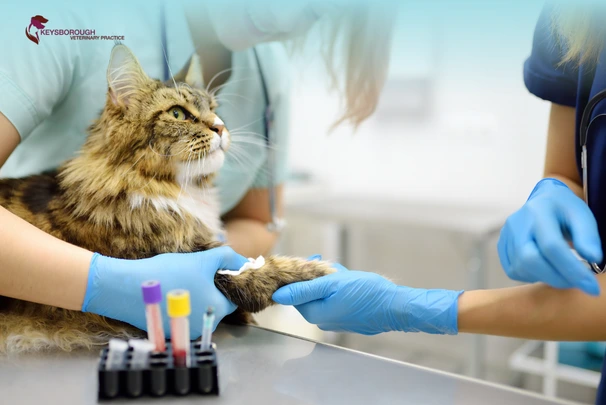
If your vet has recommended a blood test for your pet, you’re probably feeling a mix of worry and confusion. What are they actually checking? What does it all mean? And should you be concerned?
The good news is that a pet blood test is one of the most straightforward, helpful things your vet can do to understand what’s going on inside your animal’s body. At Keysborough Veterinary Practice, we offer general pathology services at Keysborough Veterinary Practice so that results come back faster and you get answers sooner.
Here’s a plain-English breakdown of everything you need to know.
Does Your Pet Need a Blood Test?
Pets can’t tell us when something feels off. They can’t explain that they’re tired, or that their tummy’s been sore for a week. That’s what makes blood tests for pets such a valuable tool: they do the talking when your pet can’t.
Your vet might recommend a blood test in situations like these:
- Before a procedure or surgery: A pre-anaesthetic blood test is standard practice before your pet goes under anaesthesia. It helps confirm anaesthetic suitability and flag any hidden risks. The last thing anyone wants is a surprise during surgery.
- Annual wellness checks: Even if your pet seems perfectly healthy, annual blood tests as part of your annual health check can catch things you’d never notice at home.
- When your pet seems unwell: Lethargy, vomiting, changes in appetite or behaviour: these are signs your vet will want to investigate with a blood test.
- For more senior pets: Pets age faster than we do. Senior pets (generally 7 years and older) benefit greatly from routine blood checks, with many vets recommending increasing to twice-yearly testing as pets get older.
- Monitoring ongoing conditions: Monitoring chronic conditions like diabetes or kidney disease requires regular blood testing to track how your pet is responding to treatment.
What Does a Pet Blood Test Actually Include?
Blood tests for dogs and cats typically cover two main panels, and sometimes a third. Here’s what each one looks at:
-
Complete Blood Count (CBC)
This measures the cells in your pet’s blood: red cells, white blood cells, and platelets. It gives your vet a snapshot of whether your pet has:
- Anaemia (low red blood cell count)
- Infection or inflammation (elevated white cells)
- Issues with blood clotting (platelet abnormalities)
- A compromised immune response
Think of it as a general “how’s the body coping?” check.
-
Biochemistry Panel
This is where your vet looks at organ function: specifically, the liver, kidneys, and pancreas, along with blood sugar and protein levels. It’s particularly important for detecting early kidney disease, liver problems, and diabetes before they become serious.
-
Thyroid Panel
Thyroid issues are especially common in cats. A thyroid test is often added for older cats or when pets are showing symptoms like weight loss despite a good appetite.
These three panels together form comprehensive blood tests that give a full picture of what’s happening inside your pet.
What Do Abnormal Results Actually Mean?
First: don’t panic. Abnormal results don’t always mean something serious. Some results sit just outside the normal range without being cause for alarm, while others point to conditions that are very manageable when caught early.
Common findings and what they might suggest:
- Elevated liver enzymes: Could point to liver stress, certain medications, or early liver disease. Often very treatable.
- High kidney markers: May be an early sign of kidney disease, which is one of the most common conditions in older dogs and cats. Catching it early makes a real difference.
- Low red blood cell count: Indicates anaemia, which can be caused by anything from parasites to chronic conditions or nutritional deficiencies.
- High white blood cell count: Often a sign of infection or inflammation somewhere in the body.
- Blood sugar abnormalities: Could indicate diabetes or other metabolic issues.
Your vet will always walk through the findings with you and recommend next steps: whether that’s further testing or treatment, a follow-up appointment to confirm the result, or simply monitoring things at your next check-up.
Urine Tests, Faecal Checks, and Cytology
Blood tests are a vital diagnostic part of pathology, but they’re not always the whole story. At Keysborough Veterinary Practice, we often pair them with:
- Urinalysis: Checks kidney and bladder health. Great for picking up early signs of infection, stones, or kidney disease that a blood test might miss.
- Faecal tests: Identify intestinal parasites, which pets aren’t always visibly show signs of.
- Cytology: If your pet has a lump, skin lesion, or mass, a small sample can be examined under a microscope. It’s a quick way to understand what you’re dealing with before deciding on treatment.
These are often done alongside comprehensive tests as part of a broader diagnostic workup.
How to Prepare Your Pet for a Blood Test
Pets may be a little nervous about a vet visit: that’s completely normal. Here’s what you can do to make the blood test as smooth as possible:
- Fasting: Your vet may ask you to withhold food for several hours beforehand, especially for a biochemistry panel. Water is usually fine. Check with the clinic if you’re not sure.
- Keep calm: Pets pick up on your anxiety. Stay relaxed and reassure them on the way there.
- The procedure itself: A small amount of blood is drawn from a vein, usually in the leg or neck. The blood draw site is shaved and cleaned first. The whole thing takes just a minute or two.
- After the test, Most pets bounce back immediately. There’s no real recovery time needed.
Young pets rarely need a blood test unless one is required pre-surgery or there’s a specific health concern, but it’s never a bad idea to ask your vet at your next visit.
Why Regular Blood Testing Matters: Especially in Keysborough
Around 69% of Australian households own pets, according to the RSPCA Knowledgebase, and in suburbs like Keysborough, more and more families are treating their dogs and cats as genuine family members, not just animals. That shift in thinking is driving a real push toward proactive, preventive veterinary care rather than waiting until something goes wrong.
The numbers back this up. Australian households spent over $33 billion on pet products and services in 2022, with veterinary services making up 14% of that spending RSPCA Knowledgebase. Vets remain the most trusted source of advice, with 84% of dog owners taking their pets to the vet in the last 12 months, according to GlobalPETS.
Regular blood testing for dogs and cats helps detect illness or decreasing organ function well before pets become unwell. In fact, regular veterinary blood tests help identify decreasing organ function before pets start showing symptoms, which is exactly when treatment is most effective.
Routine blood screening is especially important for more senior pets. As pets age, their organ systems naturally become less resilient, and annual blood tests, or even twice-yearly checks, become one of the most powerful tools for extending a healthy, comfortable life.
A good starting point? Book an annual blood check as part of your pet’s regular care routine.
Blood Tests Performed at Keysborough Veterinary Practice
One of the advantages of coming to Keysi Vet is that we offer in-house pathology, which means you’re not waiting days for results to come back from an external pathology lab. Comprehensive blood tests are processed quickly, so your vet can act on findings sooner.
We also provide pre-anaesthetic blood screening for any pet undergoing surgery or a procedure. If your pet is receiving anaesthesia, having a blood test beforehand is simply the safest approach. It gives us a clear picture of anaesthetic risks and lets us adjust our approach if anything looks unusual.
Whether you’re looking for routine health screenings, pre-anaesthetic screening before a procedure, or need to investigate why your pet has been feeling unwell, our expert vets are here to help. Book online to see our expert vets at Vets on Parker, or give us a call to chat through what’s right for your pet.
Frequently Asked Questions
Do I need to do anything special before my pet’s blood test?
In most cases, yes: fasting for a few hours beforehand gives more accurate results. Your vet will let you know exactly what’s needed.
How are blood tests for pets different to human blood tests?
The human blood tests and veterinary blood tests work on the same principles, but the reference ranges differ between species. What’s normal for a cat isn’t the same as what’s normal for a dog or a person.
How often should my pet have a blood test?
For most adult pets, regular blood testing once a year is a great baseline. For senior pets (7+) or those on long-term medication, twice yearly is often recommended. Your vet will tailor this to ensure your pet’s health is monitored at the right frequency.
Are blood tests a valuable part of routine care even if my pet seems fine?
Absolutely. Blood tests are generally how we catch problems early, well before pets aren’t showing any outward signs. Hidden health concerns are far easier to manage when found early, which is exactly why routine blood screening matters.
What if the results come back abnormal?
Your vet will go through everything with you and explain what it means in plain terms. Blood tests are a vital starting point, not a final verdict. Many pets with early abnormal markers go on to live long, healthy lives with the right management. Ensure your pet’s health with our comprehensive blood testing services, and let us guide you through every step of the process.
