



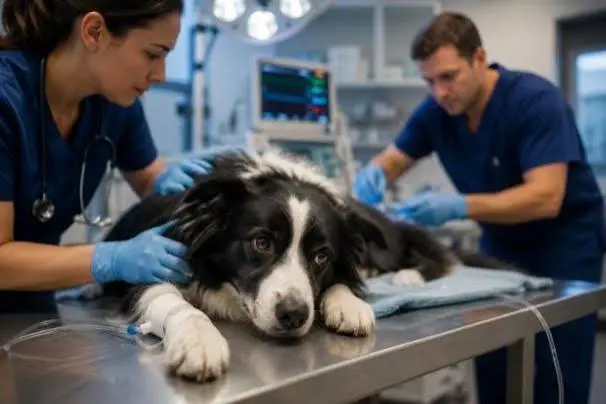
A veterinary phone appointment can help with selected follow-up discussions, medicine questions, progress reviews and deciding the next appropriate step. It cannot replace a physical examination when the vet needs to see, feel, listen to or test your pet.
Keysborough Veterinary Practice offers phone appointments, but suitability depends on the animal, the concern and the vet’s existing knowledge of the case. Call reception on (03) 9798 7274 and describe what you need. The team can tell you whether to arrange a phone appointment, book an in-clinic visit or seek more urgent care.
What is a veterinary phone appointment?
A phone appointment is a scheduled time to discuss a pet’s health with a vet without bringing the animal into the consultation room. It is more structured than a quick administrative call to reception.
The vet may review the clinical record, ask questions, discuss progress or explain results. What they can responsibly advise depends on the information available and whether an examination is needed.
Do not assume every phone conversation is a full consultation or that an immediate vet callback is available. Ask reception how the appointment works, whether a fee applies and what records or photographs should be sent beforehand.
When may a phone appointment be useful?
It may suit a planned follow-up where the clinic has recently examined the pet, and the vet needs to discuss response to treatment. It can also help when an owner has questions about written instructions, medicine administration or the meaning of results already obtained.
Some behaviour, nutrition or long-term management discussions may begin by phone, although the vet may still recommend an examination. A phone appointment can also help organise the right in-person booking by clarifying which records, samples or preparation are needed.
Suitability is not determined by convenience alone. The vet must be able to provide useful, responsible advice from the information available. If not, the right outcome of the call may be an in-clinic appointment.
When does a pet need to be seen?
An examination is usually needed when the concern is new, the pet appears unwell, pain is possible, the diagnosis is uncertain, or the vet needs physical findings before prescribing or changing treatment.
Breathing, heart rate, hydration, abdominal comfort, temperature, gum colour, joint movement, skin texture and many other findings cannot be assessed reliably through an owner’s description alone. Photographs and video can add context but do not reproduce an examination.
Your vet may also need pathology or imaging. Keysborough Veterinary Practice has in-house X-ray and ultrasound and on-site pathology when those tests are appropriate.
Accepting an in-person recommendation is not evidence that the phone appointment failed. It means the discussion identified that more information is needed.
Do not use a scheduled phone appointment for an emergency
Call the clinic immediately if your pet is struggling to breathe, collapses, has repeated seizures, cannot pass urine, has severe bleeding, may have swallowed a toxin or is rapidly deteriorating. This list is not exhaustive.
Keysborough Veterinary Practice provides daytime urgent care during its opening hours. It is not staffed overnight and is closed on Sundays. The clinic is open until 8:00 pm Monday, Wednesday and Friday, until 6:00 pm Tuesday and Thursday, and from 9:00 am to 2:00 pm Saturday.
What should you prepare before the call?
Write the main question in one sentence. Then gather:
- The pet’s name, age and current weight if known
- The names and doses of medicines and supplements
- When each medicine was last given
- Changes in appetite, drinking, urination and bowel movements
- The start, frequency and pattern of symptoms
- Photographs or short videos requested by the clinic
- Questions about instructions or results
- Contact details for another clinic holding relevant records
Keep medicine packaging nearby. Brand names, strengths and formulations can differ, and “the small white tablet” is not enough information.
If another person normally gives the medicine or observed the event, ask them for details before the appointment. The vet can only work with the history provided.
How to take useful photographs and videos
Use natural light where possible and avoid filters. Include one wider image showing where a skin change or swelling sits, then a closer view. Place a ruler nearby only if the clinic asks and you can do so without causing discomfort.
For movement, record the pet walking naturally from the front, side and behind if safe. Do not force a painful animal to walk for the camera. A short video of coughing or unusual breathing may be useful, but do not delay urgent care to capture it.
Send files through the method approved by the clinic and include the pet and owner’s name. Ordinary social-media messages may not form part of the medical record or be monitored promptly.
A photograph can show appearance. It cannot reliably show temperature, pain, smell, depth, circulation or the animal’s overall condition.
Can a vet prescribe medicine over the phone?
That depends on the medicine, condition, veterinary-client relationship, legal requirements and whether the vet has enough current knowledge of the animal. A phone appointment does not create an automatic right to a prescription.
The vet may need to examine the pet, obtain a current weight or perform tests before prescribing or changing a dose. Some repeat medicines also require periodic monitoring.
Do not give medication prescribed for another animal or use leftover medicine without advice. Human medicines can be unsafe for pets, and dose depends on more than size.
The Australian Pesticides and Veterinary Medicines Authority explains how veterinary medicines are regulated in Australia. Follow the label and treating vet’s instructions for the specific animal.
Can test results be discussed by phone?
Often, a scheduled call is a practical way to explain results. The vet can place a number in context, connect it with the examination and discuss choices.
Ask whether every result is final. Some in-house findings may be available first while an external laboratory report follows. A report may also lead to another test rather than a single definite diagnosis.
Take notes and repeat back the plan: which medicine changes, what to monitor, when to return and which signs mean calling sooner. Request written instructions where the plan is complex.
If several family members make decisions, try to have the appropriate person available. Relaying a technical discussion through several people can change important details.
Follow-up after surgery or a procedure
A phone discussion may help answer questions after a procedure, but photographs and descriptions do not replace a recheck where one is recommended.
Call if your pet is not following the expected recovery described at discharge, removes a dressing, interferes with a wound, vomits medicine or develops swelling, discharge, bleeding or marked discomfort. The team will decide whether advice, a photo, a phone appointment or attendance is needed.
Do not change a bandage, remove sutures or alter pain relief unless instructed. If you cannot administer medicine, say so. The vet may be able to suggest a safe alternative, but only after considering the prescription and pet.
Keep the discharge sheet close during the call. It records the procedure and the instructions already tailored to your animal.
Long-term conditions and monitoring
Pets with an ongoing condition often need a mixture of examinations, tests and discussions. A phone appointment may be useful between physical reviews when the vet already knows the case.
Keep a simple record of appetite, drinking, body weight where advised, symptoms and medicine doses. Do not collect so much data that the important change disappears. Ask the vet which measures actually affect decisions.
Some medicines require blood tests or other monitoring before repeats. A stable appearance at home does not replace that requirement. Book tests early enough that medicine does not run out while you wait.
If your pet sees several providers, ask how records will be shared. The treating team needs an accurate list of current medicines and recent results.
Behaviour and low-stress planning
For a dog or cat that finds the clinic frightening, a phone appointment may help plan the visit. Tell the vet or nurse what happened previously, what triggers the animal and how it travels.
The clinic has Low Stress Handling certification within the team. This is a structured approach to reducing fear and distress. It does not mean every procedure can happen without discomfort or that an anxious pet will never need medication or a changed plan.
The team may advise a quieter arrival process, carrier preparation, waiting outside or pre-visit medicine where clinically appropriate. Follow their instructions rather than using a sedative obtained for another animal.
The RSPCA provides general advice on taking a pet to the vet, while the clinic can tailor the plan to its building and your pet’s record.
What are the limits of remote advice?
The largest limit is missing physical information. Owners also describe symptoms differently, camera colour can be misleading and animals may hide signs during a call.
Technology can support communication, not guarantee a diagnosis. A responsible vet will say when uncertainty is too high and the pet needs to attend.
Location matters. Phone appointments from Keysborough Veterinary Practice are part of care delivered by that clinic, not a national advice line for animals it cannot reasonably examine or follow up. Confirm eligibility with reception.
No outcome can be guaranteed from either a phone or physical consultation. Veterinary decisions change as new information appears.
Questions to ask when booking
Ask reception:
- Is this concern suitable for a phone appointment?
- Does the vet need to have seen my pet recently?
- What records, photographs or videos should I send?
- How and when should I send them?
- What is the current consultation fee?
- Which vet will call and within what appointment window?
- What should I do if my pet worsens before the call?
- Might an in-clinic appointment still be required?
Book the right type of appointment
Veterinary phone appointments in Keysborough can make follow-up and planned discussions easier, but the first decision is whether remote advice is appropriate. Give reception a clear description and follow its recommendation.
Keysborough Veterinary Practice is independent and owner-operated and has worked from Chapel Rd since 1988. Call (03) 9798 7274 or use the clinic’s online booking page for a routine in-person appointment. If the animal is deteriorating, call rather than waiting for an online response.
Frequently asked questions
-
Will the vet call at an exact time?
Ask how the appointment window works. Clinical emergencies can affect timing, so provide the best contact number and keep it available.
-
Can I email photographs before the call?
Only through the method the clinic confirms. Include identifying details and do not rely on an unmonitored channel for urgent concerns.
-
Can the vet diagnose a lump by phone?
No photograph can reliably identify every lump. The vet may recommend examination and sampling.
-
What if my pet worsens before the appointment?
Call the clinic immediately during opening hours. Outside those hours, contact the confirmed after-hours provider or an established emergency service.
