



If you’ve spotted your dog or cat scratching more than usual lately, don’t brush it off. Keysborough’s warm climate means fleas are active pretty much all year round, and by the time you see fleas jumping, the problem is already well underway.
This guide covers everything local pet owners need to know about flea treatment, tick prevention, worm treatment, and keeping your pet comfortable and protected through every season.
Why Keysborough Has a Higher Flea Risk
Keysborough sits in Melbourne’s southeastern suburbs, sharing the kind of mild, humid climate that fleas absolutely thrive in. Unlike cooler inland regions where fleas slow down over winter, the temperature in our suburb rarely drops low enough to break the flea lifecycle.
Fleas breed at an enormous rate. A single adult female can lay up to 50 eggs per day, and those flea eggs don’t stay on your pet: they fall off into your carpet, your pet’s bedding, and the crevices in your furniture. Local parks, off-leash areas, and nearby wildlife like possums and rabbits all act as carriers, meaning your pet doesn’t even need to come into contact with another domestic animal to pick up fleas.
The result? A flea population that stays active, keeps building, and doesn’t take a break just because the weather cools down. Nearby areas like Patterson Lakes and Cheltenham face the same challenge: it’s a regional reality, not just bad luck.
How to Check Your Pet for Fleas: Signs Every Owner Should Know
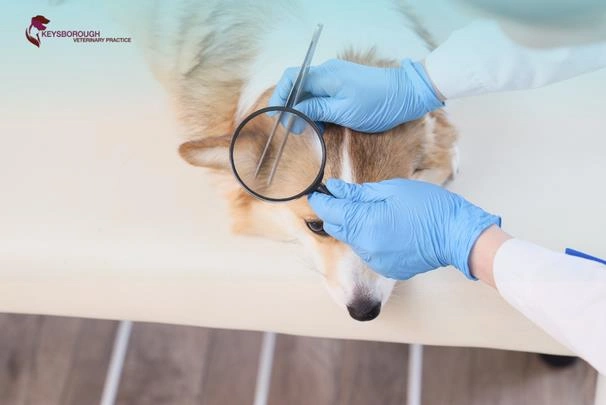
Getting into the habit of checking your pet for fleas regularly makes a big difference. You don’t need any special equipment: just part your pet’s fur along the back, the base of the tail, and around the neck.
Here’s what to look out for:
. Excessive scratching and itchiness, particularly around the base of the tail, ears, and belly
. Flea dirt: small black specks that look like ground pepper on your pet’s skin. Press them onto a damp white tissue: if they turn red, that’s digested blood from an adult flea
. Skin redness, hair loss, or scabs, especially if your pet is showing ongoing irritation in the same spots
. Pale gums, which can signal anaemia in kittens and small dogs with a heavy flea burden
. Seeing fleas jumping on your pet or around the home: at this stage, the infestation is already advanced
One condition that’s surprisingly common in Keysborough pets is called flea allergy dermatitis: a skin reaction to flea saliva. Even a single bite can trigger intense itchiness and inflammation in sensitive animals. If your pet’s skin keeps flaring up, bring them in to the vet clinic for a check.
Types of Flea Treatment Available: What Actually Works for Your Dog or Cat
Not all flea treatments are created equal. Here’s a breakdown of the main options:
. Spot-on treatments (monthly topicals) are applied directly to the pet’s skin; these spread through the skin’s oils and kill adult fleas on contact. They’re reliable when used consistently, but some require the animal to stay dry for 24–48 hours after application. Always check the product label.
. Oral tablets and chews Fast-acting and waterproof: ideal for dogs and cats that swim or get bathed frequently. Some begin killing fleas within hours. Prescription-strength oral treatments available through your vet are far more effective than supermarket options.
. Flea collars. Some collars offer several months of protection and work well alongside other treatments. Quality varies significantly between brands, so ask your vet rather than grabbing the cheapest option off the shelf.
. Flea shampoos are useful for a quick knockdown of adult fleas, but they offer no residual protection. Once rinsed off, the flea control is gone. These are not a prevention method.
Why vet-strength products make a difference
The best flea treatments come from a veterinary clinic, not a supermarket shelf. Prescription-strength products target not just adult fleas but also the egg and larval stages, disrupting the flea lifecycle at multiple points. Products from Keysborough Veterinary Practice are chosen based on your pet’s age, weight, breed, and lifestyle: because a product safe for an adult dog may not be appropriate for a kitten or a senior cat. Some treatments for dogs can also be toxic to cats, so veterinary guidance matters.
Treating the Home, Not Just the Pet: Where the Flea Life Cycle Really Lives
Here’s something that surprises most pet owners: adult fleas make up only around 5% of a flea infestation. The other 95%: flea eggs, larvae, and pupae: are living in your environment. That means your carpet, your pet’s bedding, your furniture, and the gaps in your floorboards. (Source: Elanco: The Flea Life Cycle)
Flea larvae move away from light and burrow deep into carpet fibres, feeding on organic debris and adult flea droppings. The larval stage is where the bulk of the population builds up, which is why treating the pet alone rarely solves the problem.
To properly reduce environmental contamination:
. Vacuum all carpets, rugs, and soft furnishings thoroughly: the vibration also stimulates pupae to hatch, so they’re exposed to treatments. Dispose of the vacuum bag immediately
. Wash your pet’s bedding in hot water regularly
. Treat all pets in the household at the same time: one untreated animal keeps the cycle going
. Be patient: eggs and larvae live deep in your home, and it can take 4–8 weeks to fully clear an infestation as pupae continue to emerge
The Flea and Worm Connection: What Keysborough Pet Owners Often Miss
If your pet has had fleas, it likely needs worm treatment too. Fleas carry tapeworm larvae: when a pet grooms itself and swallows an infected flea, those larvae develop into intestinal worms inside the gut.
Signs of tapeworm include scooting, weight changes, or rice-like segments near the tail. Left untreated, worm burdens can cause diarrhoea and ongoing digestive issues.
Treating for fleas and worms at the same time makes good sense: you’re not playing catch-up on two separate problems. A good preventative worming routine covers intestinal worms, including tapeworm, roundworm, hookworm, and whipworm. Worming frequency depends on your pet’s lifestyle; outdoor pets generally need more regular treatment than indoor-only animals.
Heartworm prevention is also worth raising with your vet. Heartworm has a complicated treatment process once a dog is infected: prevention is always the better path. Note that a heartworm test may be required before starting a prevention program if your dog hasn’t been on one before.
Keep Your Pet Flea-Free Year-Round: A Prevention Plan for Keysborough Pets
The single most important thing you can do is treat consistently. According to PetSure’s claims data, flea and skin-related conditions are among the most common reasons Australian pet owners visit the vet, and most of those visits are preventable with regular treatment.
Skipping even one month gives fleas a window to lay eggs, restart the lifecycle, and rebuild the population in your home. It doesn’t take long.
Here’s a simple framework to stay on top of it:
. Monthly flea and worm treatment: set a phone reminder on the same date each month
. Tick prevention year-round: the paralysis tick (Ixodes holocyclus) is found along Australia’s east coast and can be fatal. Research from the University of Queensland (2024) found that around 10% of vet visits in eastern Australia between 2021 and 2023 were tick-related, with 1 in 10 affected pets dying from tick paralysis or being euthanised. If you ever find a tick on your pet, do not kill the tick first: remove it promptly and contact your vet immediately
. Multi-pet households: treat every animal on the same day, every month, without exception
. Consider combination products: some treatments cover fleas, ticks, intestinal worms, and heartworm prevention in a single monthly dose
It’s also worth noting that mosquito activity in Keysborough’s warmer months increases the risk of heartworm transmission. Keeping up with a heartworm prevention program is a genuine priority in our climate.
Visit Keysborough Veterinary Practice for the Right Flea and Worm Treatment
Every pet is different, and what works for your neighbour’s dog might not be right for your cat. The team at Keysborough Veterinary Practice can walk you through the safest and most effective treatment and prevention options based on your pet’s individual needs: age, weight, health history, and lifestyle all factor in.
Whether you’re dealing with an active flea infestation or just want a solid prevention plan, our veterinary hospital team is here to help. Book a consult today, and let’s keep your pet and your home protected year-round.
Frequently Asked Questions
How do I know if my pet has fleas if I can’t see any?
Part your pet’s fur and look for flea dirt: small black specks near the base of the tail. Place them on a damp white tissue; if they turn red, that’s a sign of fleas. Persistent itchiness and skin irritation are also red flags worth checking with your vet.
My pet is an indoor cat: do I still need flea treatment?
Yes. Fleas can enter your home on clothing or shoes, and indoor cats are not immune. Year-round preventative treatment is still recommended: the risk is lower, but it’s not zero.
I treated my pet, but I’m still seeing fleas. What’s going on?
This is normal. The 95% of the infestation living in your carpet and bedding keep hatching for several weeks. Continue monthly treatment, vacuum regularly, and wash bedding in hot water. Full clearance can take 4–8 weeks.
Can fleas make my pet seriously ill?
Yes. Heavy infestations can cause anaemia, particularly in kittens and small dogs. Fleas also transmit tapeworm and can trigger flea allergy dermatitis. If your pet is unwell or scratching severely, see a vet immediately.
Are supermarket flea treatments as effective as vet products?
Generally, no. Over-the-counter options often only target adult fleas and miss the egg and larval stages. Vet-prescribed treatments tend to be faster-acting, more comprehensive, and are matched to your specific animal, which is especially important in multi-pet households with both dogs and cats.
