



Cats can be stoic creatures, experts at hiding illness through instinctive survival behaviours. However, subtle changes in behaviour can reveal when your cat may be sick. According to Australian veterinary data, gastrointestinal disease is the most common ailment requiring a visit to an animal hospital in cats, with 69% of Australian cat owners taking their pet to the vet in the last 12 months. Early detection and treatment of illnesses can help maintain your cat’s health and prevent conditions from progressing.
Recognising signs and symptoms that indicate your feline friend may be feeling unwell is crucial for every cat owner. Sick cats often exhibit behaviour changes that others may not notice unless you’re monitoring your cat’s daily routines carefully. From appetite fluctuations to litter box issues, these subtle signs can signal everything from diabetes to kidney disease. Understanding these warning signs helps you determine when your cat is sick and requires immediate veterinary care.
Common Behaviour Changes That May Indicate Illness
Recognising signs of a sick cat early allows veterinarians to diagnose and treat health issues before they lead to more serious complications. Share some of the signs your cat displays with your veterinarian to get a proper evaluation. Here are key behaviour changes every pet owner should monitor.
Hiding or Withdrawing From Family
When your normally social cat suddenly starts hiding under the bed or in cupboards, it could be a sign that something is wrong. Cats instinctively retreat to safe spaces when they’re unwell, a survival behaviour inherited from wild ancestors who needed to avoid predators when vulnerable. If your cat is suddenly spending significantly more time alone or avoiding family interaction, schedule a vet visit promptly. This withdrawal may indicate pain, illness, or emotional distress requiring veterinary assessment.
Pay attention to your cat’s body language during these episodes. A healthy cat typically shows interest in household activities and seeks social interaction. When a cat is feeling unwell, they often choose isolated hiding spots and remains there for extended periods. This behaviour that others may not notice immediately can be one of the earliest indicators that your feline friend may be experiencing health issues.
Changes in Appetite or Thirst
Any shift in your cat’s eating or drinking habits warrants attention during your next check-up. A decreased appetite might signal dental disease in cats, gastrointestinal problems, or kidney disease, while increased thirst could indicate diabetes or hyperthyroidism. Cats with hyperthyroidism often show a sudden increased appetite alongside weight loss, while others may develop diabetes with similar symptoms.
Keep track of your pet’s food and water consumption carefully. If you notice your cat may be drinking excessively or eating significantly less over several days, contact your vet clinic. An average adult cat drinks approximately 3.5-4.5 ounces of water daily; dramatic increases could signal hyperthyroidism or diabetes. Many cat owners overlook these subtle changes, yet they’re often the earliest signs of underlying concerns. Monitoring your cat’s normal eating patterns helps you identify when illness may be developing.
Litter Box Behaviour Changes
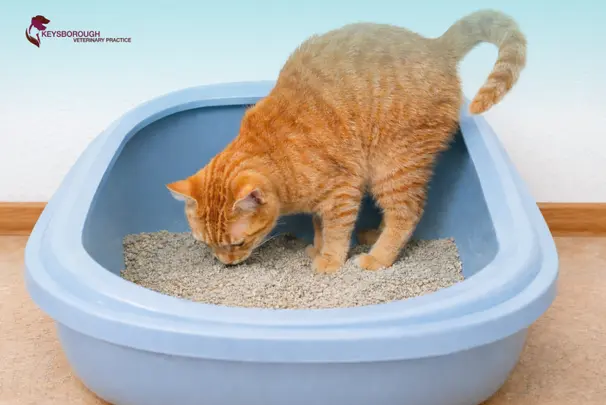
Changes in behaviour related to using the litter box are rarely just behavioural issues; they’re typically medical red flags. Straining to urinate, increased frequency, blood in urine, or avoiding the litter box entirely may be a sign of urinary tract infections, kidney problems, or feline lower urinary tract disease. A urinary tract infection requires immediate veterinary care as it can quickly become life-threatening.
Never dismiss litter box changes as your cat “being difficult.” If your cat is suffering from urinary tract issues, they may cry while attempting to urinate or urinate outside the box. Take your cat to see your veterinarian for a thorough physical examination as soon as possible. Early intervention prevents these conditions from developing into more severe complications requiring emergency treatment.
Increased Aggression or Irritability
A previously gentle cat who suddenly hisses, scratches, or bites when touched may be experiencing pain. Cats often become aggressive when hurting because they’re trying to protect painful areas from contact. This behaviour change can stem from arthritis, dental care issues like periodontal disease, injuries, or internal health problems.
Watch your cat’s body language carefully; flattened ears, dilated pupil responses, or tail lashing indicate distress. Your veterinarian can conduct a comprehensive physical examination to identify the source of discomfort. Dental disease in cats is particularly common and causes significant pain that manifests as irritability. Bad breath in cats often accompanies dental problems, another indicator to discuss with your vet.
Excessive Vocalisation
While some cats are naturally chatty, a sudden change in vocalisation patterns may indicate underlying illness. Senior cats, particularly, may vocalise more with conditions like hyperthyroidism, high blood pressure, thyroid problems, or cognitive decline. If your usually quiet cat becomes vocal or your talkative pet goes silent, book an appointment with your local vet.
Changes in communication patterns are your pet’s way of expressing distress. Cats communicate discomfort through increased meowing, yowling, or crying, especially at night. This could also be a sign of disease in cats, such as inflammatory bowel disease or intestinal cancer in advanced cases. Listen to what your cat may be trying to tell you through these vocal changes.
Changes in Grooming Habits
Cats are fastidious groomers under normal circumstances, so any deviation from regular grooming may indicate serious health concerns. A matted, greasy coat might indicate your cat feels too unwell to groom properly, while excessive licking of one area could signal pain, skin problems, or anxiety. Both over-grooming and under-grooming are signs that a cat is feeling ill.
When grooming may be reduced or stopped entirely, this often accompanies other health issues early in their development, making this an important indicator. Healthy cats groom multiple times daily; when your cat is sick, this essential behaviour diminishes. Bad breath, another grooming-related concern, may signal periodontal disease requiring dental care.
Lethargy or Reduced Activity
If your energetic cat suddenly prefers sleeping all day or shows little interest in play, don’t assume they’re just getting older. Reduced activity levels may be a sign of pain, infection, heart disease, or other serious conditions. Your energy level may seem normal to you, but cats age much faster than humans; what appears like normal ageing might actually be a treatable illness.
Many pet owners mistake lethargy for laziness, but persistent tiredness requires veterinary evaluation. Sick cats often sleep in unusual locations and remain motionless for extended periods. This could be a sign of various illnesses, from hyperthyroidism or diabetes to more serious conditions. Monitor whether your cat’s activity returns to normal or continues declining.
When Changes in Behaviour Signal an Emergency
Understanding when behaviour changes require immediate versus routine care can be confusing. See your veterinarian immediately if your cat shows sudden, severe changes like difficulty breathing, collapse, inability to urinate, persistent vomiting or diarrhoea, seizures, or trauma. These situations may need an emergency animal hospital rather than waiting for regular appointments.
Notice any of these signs, breathing problems, third eyelid visibility, dilated pupil that doesn’t respond to light, or complete loss of appetite, and seek care as soon as possible. Disease in cats can lead to rapid deterioration, particularly when affecting vital organs. Some symptoms listed here represent true emergencies that cannot wait.
Behaviour Changes in Senior Cats to Watch For
As cats age, they need extra attention and more frequent health check-ups. Senior pets may develop age-related conditions manifesting through subtle behaviour shifts. Watch for increased hiding, confusion or disorientation (particularly at night), changes in sleep patterns, decreased grooming, and altered social interactions.
Older cats also show changes in vocalisation, appetite fluctuations, and mobility issues. These aren’t just “normal ageing”, they’re often signs of treatable conditions like arthritis, kidney disease, thyroid problems, or inflammatory bowel disease. Regular vet checks help monitor your senior cat’s overall health and catch emerging issues before they progress. Approximately 15 per cent of cats over age 10 develop some form of kidney disease, making regular screening essential.
How to Tell If Your Cat Needs Veterinary Care
For less urgent but concerning changes, gradual appetite loss, increased thirst, subtle lethargy, minor litter box changes, or mild behaviour shifts, contact your veterinary clinic within 24-48 hours. Don’t wait weeks hoping things improve. Australian pet owners increasingly recognise the importance of prompt care, though 21.5% have reduced routine appointments due to rising costs. However, delaying necessary visits leads to more serious complications.
Annual health check appointments are essential even when your cat seems perfectly fine. These wellness visits allow your vet to perform physical examinations, update vaccinations, conduct dental checks, and screen for common illnesses before symptoms appear. Many health issues show no obvious signs early on; regular checks detect problems when they’re most treatable. Consider pet insurance to help manage unexpected vet bills.
Monitoring Your Cat at Home
Effective monitoring starts with establishing your cat’s normal baseline behaviour. Spend time observing typical eating patterns, activity levels, social interactions, grooming habits, and litter box usage. Keep a simple log if needed; this documentation proves invaluable during vet visits when describing changes.
Create a consistent routine, making deviations easier to spot. Feed at regular times, maintain clean litter boxes, and ensure your pet has quiet rest spaces. Regular interaction helps you identify subtle shifts in personality, mobility, or responsiveness. Take photos or videos of concerning behaviours to show your vet; this visual evidence assists diagnosis and treatment planning.
Common Illnesses Affecting Cats
Understanding common illnesses helps you recognise when symptoms listed require veterinary attention. Hyperthyroidism, an overactive thyroid, affects many senior cats and causes increased appetite, weight loss, and restlessness. Diabetes manifests through increased thirst, frequent urination, and changes in appetite. Kidney disease progresses gradually with symptoms including increased water consumption, weight loss, and lethargy.
Dental disease, particularly periodontal disease, affects over 70 per cent of cats by age three, causing bad breath, difficulty eating, and facial swelling. Urinary tract problems, including urinary tract infection and blockages, create painful elimination attempts and litter box avoidance. Inflammatory bowel disease causes vomiting, diarrhoea, and weight loss. Intestinal cancer, while less common, presents similar gastrointestinal symptoms requiring prompt investigation.
When Cats Usually Hide Illness
Cats usually hide discomfort when they are sick, an evolutionary adaptation that protected vulnerable wild ancestors from predators. This instinct means cats also mask pain, weakness, and illness until conditions become severe. By the time obvious symptoms appear, the disease may have progressed significantly.
This survival mechanism makes proactive monitoring essential. Cats may also show extremely subtle signs initially that only attentive owners notice. Understanding that your cat is suffering despite appearing relatively normal requires knowledge of species-specific behaviours and baseline patterns. Don’t wait for dramatic symptoms; see your vet when you first notice behaviour changes that could indicate illness.
Understanding Your Cat’s Body Language and Subtle Signs
Your cat’s body language provides crucial health information. A healthy cat maintains upright ears, responsive pupils that adjust to light, a relaxed posture, and engaged expressions. When sick, subtle signs emerge: flattened ears, consistently dilated pupil despite bright light, hunched posture, squinted eyes, or visible third eyelid covering part of the eye.
These subtle changes in behaviour that others may miss often appear before obvious illness signs. Cats communicate primarily through body language rather than vocalisation, making visual observation critical. Changes in tail position, whisker orientation, and overall posture all signal emotional and physical states.
Preventative Care for Your Cat
Schedule regular health check-ups even when everything seems fine. Preventative care through annual examinations (or more frequent visits for older cats or those with existing conditions) catches problems before they become emergencies. During check-ups, discuss any minor changes you’ve noticed, no matter how insignificant they seem.
Keep your pet’s vaccination schedule current, maintain proper dental care routines, and follow your veterinarian’s recommendations for parasite control and nutrition. These preventive measures, combined with vigilant monitoring, give your cat the best chance at lifelong wellness. Treatment of illnesses can help to prevent conditions from progressing when caught early.
Take Action for Your Pet’s Health
Don’t wait until behaviour changes become severe. At Keysborough Veterinary Practice, we understand the unique bond between pet owners and their feline companions. Our experienced team provides comprehensive health checks, from routine wellness examinations to specialised care for complex conditions. We support you in maintaining your cat’s health through every life stage.
Book an appointment today for a thorough health check. Whether you need routine annual check-ups, vaccination updates, dental health assessment, or evaluation of concerning behaviour changes, we offer compassionate, expert veterinary care tailored to your needs. Discover how often to take your pet for check-ups and establish a preventative care plan. Call us now or visit our website to schedule your visit. Your cat’s health is our priority.
Frequently Asked Questions
Are behaviour changes normal in cats?
Minor, temporary shifts can be normal, but persistent or sudden changes usually indicate stress or illness. Symptoms that indicate your feline friend may be unwell require veterinary evaluation. Always have your vet assess concerning behaviours that persist beyond 24-48 hours.
How long should I wait before seeing a vet?
For sudden, severe changes, seek immediate care. For gradual shifts, contact your vet within 24-48 hours. Never wait more than a few days when you suspect your cat may be experiencing health problems.
Can stress cause behaviour changes in cats?
Yes, stress triggers hiding, aggression, and appetite changes. However, illness also causes stress, so examination is essential to rule out medical issues. Signs of illness may overlap with stress responses, making professional assessment necessary.
Why do cats hide when they are sick?
Instinct drives ill cats to hide; their wild ancestors concealed weakness to avoid predators. This survival behaviour makes early detection challenging for pet owners. Understanding this helps explain why indicators that your cat is feeling unwell may be subtle initially.
Should indoor cats still have regular health checks?
Absolutely. Indoor cats need annual health check-ups, vaccinations, dental care, and preventative treatments. Regular vet checks maintain wellness and detect hidden health concerns. Help to prevent conditions from developing by maintaining consistent veterinary care regardless of indoor lifestyle.
