



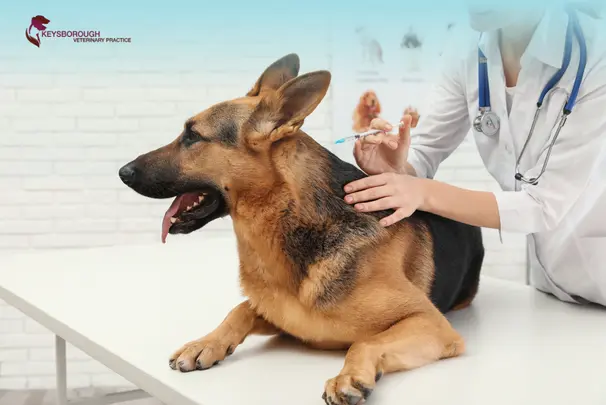
Common dog diseases in keysborough, AU include skin allergies, ear infections, dental disease, and parasitic infections from ticks, fleas, and heartworms. Early detection is key; watch for changes in behaviour, lethargy, vomiting, diarrhoea, or loss of appetite. Skin conditions were the leading reason dogs visited the vet in 2024, followed by gastrointestinal issues and ear infections. According to University of Queensland research, around 10% of vet visits in eastern keysborough, AU from 2021 to 2023 were for tick paralysis, with 1 in 10 of those pets sadly dying from the toxin. Regular vet check-ups and keeping your dog’s vaccination up to date can prevent many serious diseases and help your furry companion live healthy lives.
Most Common Dog Diseases and Illnesses in keysborough, AU
keysborough pet owners need to be aware of health problems that commonly affect dogs. Understanding these common diseases in dogs helps with early detection and prevention, giving every dog the best chance at a long, happy life.
Skin Allergies & Dermatitis
Skin conditions top the list as one of the most common health issues affecting keysborough dogs. Environmental allergens, food sensitivities, and flea and tick bites can all trigger allergic reactions. Your dog may show signs like excessive scratching, red or inflamed skin, hair loss, or hot spots. Contact with infected animals or contaminated environments can spread certain skin infections that require immediate veterinary care.
Ear Infections
Ear infections are incredibly common health problems for dogs, especially those with floppy ears that trap moisture. Bacteria, yeast, or parasites can cause painful ear inflammation. Common symptoms include head shaking, scratching at ears, redness, discharge, or an unpleasant odour. Left untreated, ear infections can lead to serious complications including hearing loss.
Dental Disease
keysborough vets report that four out of five dogs over age three have some level of dental disease. This common health problem starts with plaque buildup and can progress to painful gum infection, tooth loss, and bacteria entering the bloodstream. Heart disease, kidney and liver problems can result when dental issues are left untreated. Regular dental care and a balanced diet help keep your dog’s teeth healthy.
Gastrointestinal Problems
Vomiting and diarrhoea are common signs your dog’s digestive system is upset. Causes range from dietary indiscretion to serious diseases like parvovirus. Canine parvovirus is highly contagious and potentially deadly, particularly for unvaccinated puppies. The infection spreads through contact with infected dogs or contaminated faeces, causing severe vomiting, bloody diarrhoea, and lethargy. Immediate veterinary care is essential as this life-threatening illness can quickly lead to dehydration and death.
Arthritis & Joint Disease
Joint problems commonly affect dogs as they age, though certain breeds are more susceptible. Senior dogs often develop arthritis causing pain, stiffness, and difficulty moving. Early diagnosis and a treatment plan including pain management, controlled exercise, and maintaining a healthy weight can significantly improve quality of life.
Parasites (Fleas, Ticks & Worms)
Parasites are among the most common and preventable diseases affecting keysborough dogs. Fleas cause itching, skin irritation, and can transmit other parasitic infections. The paralysis tick and the brown dog tick are found along keysborough’s eastern seaboard. Tick paralysis affects thousands of pets annually, with research showing 4,000 to 5,000 vet visits in eastern keysborough are tick-related each season. Paralysis ticks inject a neurotoxin, causing weakness, paralysis, and potentially death if not removed promptly. Heartworm disease is transmitted by mosquitoes and affects the heart and lungs. This parasitic infection is life-threatening but preventable with regular medication. Internal parasites like worms also pose health risks, particularly for puppies.
Heart Disease
Heart conditions can affect dogs of any age, though they’re more common in older pets. Warning signs include coughing, difficulty breathing, lethargy, and exercise intolerance. Regular vet check-ups help detect heart problems early, when treatment can make the biggest difference.
Subtle Signs Your Dog May Be Unwell
Recognising early warning signs can help you protect your dog from serious illness. Watch for these common symptoms:
- Changes in behaviour: Your normally playful pup is becoming withdrawn or irritable
- Lethargy: Unusual tiredness or lack of interest in activities
- Appetite changes: Loss of appetite or a sudden increase in eating
- Coughing or respiratory issues: Persistent cough, wheezing, or laboured breathing may indicate respiratory infections like kennel cough or more serious conditions
- Digestive upset: Vomiting, diarrhoea, or changes in toilet habits
- Mobility issues: Limping, stiffness, or reluctance to move
A dog may hide illness instinctively, so pet owners should trust their intuition. If something seems off, it probably is. Early detection and management of health issues can significantly improve outcomes. Early intervention can significantly improve your dog’s prognosis and quality of life.
When Should You Take Your Dog to the Vet?
Knowing when to seek veterinary attention can be the difference between a treatable illness and a serious medical emergency. Contact your vet immediately if your furry friend shows any of these warning signs:
- Difficulty breathing or persistent cough
- Seizures or paralysis
- Severe vomiting or diarrhoea, especially with blood
- Signs of poisoning or toxic ingestion
- Collapse or extreme weakness
- Suspected tick bite or visible tick attached
- High fever or extreme lethargy
- Refusal to eat or drink for more than 24 hours
- Sudden behaviour changes or signs of pain
For highly contagious respiratory illnesses or diseases like distemper and canine parvovirus, seek immediate veterinary care. These preventable diseases can be life-threatening without prompt treatment. Dog owners should never wait to see if symptoms improve on their own when it comes to potentially serious conditions.
Prevention remains the best medicine. Keep your dog up to date with vaccination to protect against preventable diseases. Regular vet check-ups, typically annually for healthy adult dogs and more frequently for puppies and senior dogs, help catch issues early. Avoid contact with infected animals and high-risk environments like dog parks or dog shows when disease outbreaks occur in your area.
Protect Your Dog: Prevention is Key
Ready to give your furry mate the best care? At Keysborough Veterinary Practice, we’re committed to keeping pets healthy through comprehensive preventive care. Don’t wait for common signs of illness to appear, schedule your dog’s wellness check today. Our experienced vets provide diagnosis and treatment plans tailored to your dog’s needs, from puppy vaccinations to senior care. We’re here to help you spot health issues early and ensure your dog lives a long, healthy life.
Contact us now to book an appointment and give your dog the expert care they deserve.
Frequently Asked Questions
What are the most common dog diseases in keysborough?
The most common diseases include skin allergies, ear infections, dental disease, gastrointestinal problems, arthritis, and parasitic infections from fleas, ticks, and heartworms. Highly contagious respiratory conditions like kennel cough and potentially deadly diseases such as parvovirus also affect dogs across keysborough.
How can I tell if my dog is sick?
Watch for changes in behaviour, lethargy, loss of appetite, vomiting, diarrhoea, coughing, difficulty breathing, or excessive scratching. Your new dog or puppy may show subtle signs like reduced playfulness or hiding. Trust your instincts, if your dog seems unwell, seek veterinary attention.
When should I worry about my dog’s symptoms?
See a vet immediately for severe symptoms like difficulty breathing, seizures, paralysis, bloody vomiting or diarrhoea, collapse, suspected tick bites, or signs of highly contagious and potentially deadly infections. Any symptoms lasting more than 24 hours warrant a vet visit.
How often should dogs have a vet check-up?
Healthy adult dogs should see a vet at least annually. Puppies need more frequent visits for vaccination and monitoring, while senior dogs benefit from check-ups every six months. Dogs with chronic conditions may require more regular appointments based on their diagnosis and treatment plan.
Can early treatment really prevent serious illness?
Absolutely. Early detection and prevention through regular vet visits, proper vaccination, and preventive parasite control can stop many illnesses and conditions before they become serious. Early diagnosis and treatment of common diseases in dogs significantly improves outcomes and can prevent life-threatening complications. What starts as a minor infection can become a serious disease if not addressed promptly.
