



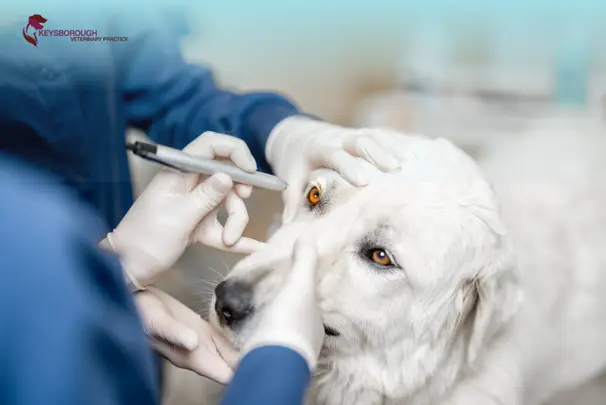
If you’ve ever looked at your pet and thought, “something’s not right with their eye,” you’re not alone. Eye problems in pets are one of those things that can send a pet owner into a bit of a panic, and understandably so. The eye is right there in front of you, very visible, and certain eye conditions can deteriorate fast, sometimes within hours.
Australia now has 31.6 million pets across 73% of all households, according to Animal Medicines Australia. Additionally, PetSure claims data indicate that eye conditions ranked among the top five health conditions for cats in 2024. That tells you just how common these issues are for beloved pets across Melbourne and the rest of the country.
The good news? A lot of eye problems are very treatable when caught early. The key is knowing when to act, and when calling your vet needs to happen today rather than next week. This guide is here to help Keysborough pet owners figure that out.
Common Eye Conditions in Dogs and Cats: An Overview
There’s quite a range of things that can go wrong with a pet’s eyes. Some are minor irritations, others are full-blown emergencies. Here’s a quick rundown of the most common eye conditions vets see:
These are the signs of eye problems that should have you calling Keysvet immediately. Do not wait overnight. Do not see how it goes in the morning. These signs of eye distress can indicate conditions that cause permanent vision loss within 24 to 48 hours without treatment.
Call the vet now if your pet is showing:
Sudden cloudiness or opacity in the eye (especially if it came on quickly)
1. Pawing at the eye or rubbing their eyes on the carpet or furniture
2. The eye appearing to bulge or look larger than usual
3. Visible blood in the eye
4. The pet holding the eye completely shut and showing signs of pain
5. Rapid, uncontrolled eye movement
6. The eye looking visibly damaged or sunken
These are all signs of discomfort that point to conditions like acute glaucoma, a serious corneal ulcer, or trauma that need urgent veterinary attention. In Melbourne’s busy pet-owning households, it’s easy to assume it’ll sort itself out. With the eye, it rarely does.
Symptoms That Should Be Assessed Within 24 to 48 Hours
These signs are not as immediately life-threatening, but they still warrant veterinary care soon. Don’t wait more than a couple of days if you notice any of these:
Yellow or green discharge coming from the eye (this often signals an eye infection)
Moderate redness with squinting
The third eyelid is visible and not retracting (this can look like a pink bump or fold of tissue at the inner corner of the eye)
Mild swelling around the eye socket
Excessive tearing that isn’t clearing up on its own
A pet might seem fine in itself, eating and moving around normally, but any of these signs still need a vet’s eyes on them. Some conditions that start mild can escalate quickly if ignored.
Symptoms That Can Usually Wait for a Scheduled Appointment
Not every change in a pet’s eyes needs the same-day attention. These signs are generally lower urgency, though still worth mentioning at your next check-up:
Mild, clear watery discharge in an otherwise alert and comfortable pet
Very gradual cloudiness in a senior dog or senior cat with no other symptoms
Occasional mild redness after outdoor activity (check around the eye for grass seeds or debris first)
Even with these lower-urgency symptoms, keep a close eye on things. If anything worsens, or your instinct says something might be wrong, bump it up and call sooner. When it comes to pets’ eyes, early detection always wins.
How Vets Diagnose Eye Conditions
When you bring your furry friend in to see us at Keysvet, we use a range of tests to work out what’s going on. Here’s what a typical eye examination might involve:
1. Fluorescein staining test: A dye is applied to the eye to check for corneal ulcers. Damaged areas glow under a special light.
2. Tonometry: This measures intraocular pressure and is how we detect glaucoma. It’s quick and non-invasive.
3. Schirmer Tear Test: A small strip is placed at the edge of the eye to measure tear production and diagnose dry eye.
4. Physical examination under magnification: We look at the eye structures in detail, including the lens, cornea, and the inside of the eyelids.
5. Blood tests or systemic workup: If we suspect uveitis or autoimmune conditions, your pet’s overall health may need a broader assessment, as eye problems can sometimes be the first visible sign of an underlying health condition.
These diagnostics are the same ones a veterinary ophthalmologist would start with, and they help determine the underlying cause so we can treat it properly.
Breed Predispositions Keysborough Pet Owners Should Know
Some breeds are significantly more prone to eye problems than others. Brachycephalic (flat-faced) breeds like French Bulldogs and Pugs recorded above-average healthcare costs in Australia in 2024, reflecting how their anatomy creates health challenges.
Here’s what to watch for if you own one of these breeds:
Brachycephalic breeds (pugs, bulldogs, shih tzus, Persians): Flat-faced dogs and cats have exposed, prominent eyes that are more vulnerable to corneal ulcers, irritation and conjunctivitis. Their anatomy simply doesn’t protect the eye surface as well as longer-muzzled breeds. Eye and ear problems occur at more than twice the typical rate in some flat-faced breeds, so regular veterinary eye checks are genuinely important, not just nice to have.
Cocker spaniels and beagles: These breeds are prone to glaucoma and cherry eye. In Australia, breeds including Basset Hounds, Cocker Spaniels, Australian Cattle Dogs, Poodles, Maltese Terriers and Golden Retrievers are among those affected by primary glaucoma.
Labrador retrievers: Labs are prone to dry eye (KCS), which causes chronic discomfort and, if untreated, corneal damage.
Senior pets and senior dogs in particular: Age brings increased risk of cataracts and glaucoma. Bilateral primary breed-predisposed glaucoma occurs in nearly 1% of purebred dogs, and repeated tonometry should be routinely performed on high-risk breeds as part of annual examinations. If you have a senior cat or an ageing dog, annual eye checks as part of their wellness exam are a smart move.
If your pet is one of these breeds, please don’t wait until you notice a problem. Regular veterinary care is the best protection against damage or even vision loss before it becomes irreversible.
Why Eye Health Is Part of Your Pet’s Overall Health
It might surprise you to know that the eye can actually be a window into your pet’s broader health. Conditions like high blood pressure, diabetes, and autoimmune disease can all show up as changes in eye appearance before other symptoms emerge. Uveitis (internal eye inflammation) is a classic example. It’s often a sign of systemic disease rather than a problem isolated to the eye itself.
A condition that can lead to high blood pressure, muscle weakness and eye problems is becoming more common in Australian pets, with pet ownership rates now 12% higher than pre-pandemic levels. With more pets across Melbourne and surrounds, that means more eye conditions presenting to local vets too.
This is why your pet’s annual wellness check includes looking at the eyes. It’s not just about what’s happening right there in the eye, it’s about what those changes in eye appearance might be telling us about the rest of your pet’s health.
Quick Reference: Eye Symptom Triage Guide
When in Doubt, Call Us
The truth is this: eye problems in pets rarely sort themselves out. And the longer a condition like glaucoma or a corneal ulcer goes untreated, the harder it is to protect your pet’s vision. Early detection and prompt veterinary care are what make the difference between a pet that recovers fully and one that suffers gradual vision loss or worse.
If your cat or dog is showing any signs of eye discomfort, don’t wait. Notice anything unusual? Trust your gut. Keysvet is here for Keysborough pet owners who need answers fast.
Reach out to us for Urgent Care or to book a Wellness Check-up. Give us a call on (03) 9798 7274 and let’s help your pet stay happy and healthy.
Frequently Asked Questions
1. Can I treat my dog’s red eye at home?
It depends on what’s causing it. Mild redness after time outdoors might settle on its own, but if the redness persists for more than a day or two, or is accompanied by discharge or squinting, seek professional veterinary advice. Human eye drops are not safe to use on pets without vet guidance.
2. How quickly can glaucoma cause blindness in dogs?
Glaucoma can cause permanent vision loss very quickly. In acute cases, a pet might lose vision within 24 to 48 hours if treatment is not started. It’s one of the few true eye emergencies in veterinary care.
3. Are cataracts in dogs always a sign of old age?
Not always. While cataracts are more common in senior dogs, they can also result from diabetes, injury or genetic predisposition. A vet check-up will help determine the underlying cause and the best plan forward.
4. Why does my cat’s third eyelid keep showing?
A visible third eyelid that isn’t retracting is often a sign that something isn’t right, whether it’s an eye infection, irritation, pain, or sometimes a sign of broader illness. It’s worth having your vet take a look within 24 to 48 hours.
5. How often should my pet have an eye check?
For most pets, an annual wellness exam that includes an eye assessment is a good starting point. For senior pets or breeds with known eye predispositions, your vet may recommend more frequent checks.
