



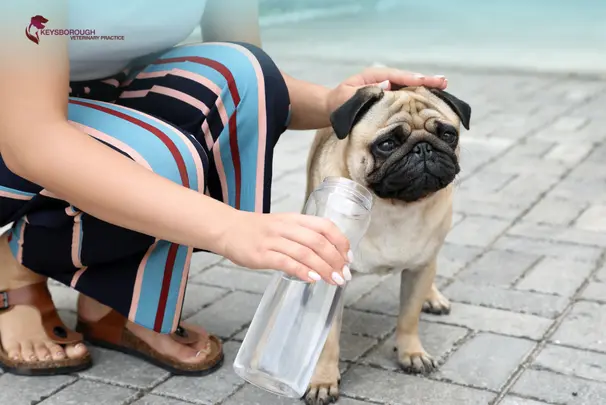
Heat stroke, also called hyperthermia, happens when a dog’s body temperature rises to a dangerously high level, a nd they can no longer cool themselves down on their own. In dogs, this typically occurs when their core body temperature climbs above 41°C. At that point, their organs start to struggle, and without fast treatment, the consequences can be fatal.
It’s different from a mild case of heat stress or heat exhaustion. Those are earlier stages. Heat stroke is the most severe form of heat-related illness, and it’s a genuine medical emergency.
Why Dogs Are More Vulnerable to Heat
Dogs don’t regulate their body temperature the same way we do. Humans sweat through our skin. Dogs mostly rely on panting and, to a lesser degree, their paw pads to release heat. When the air around them is already hot and humid, panting simply doesn’t work well enough.
Their bodies heat up fast, and they have very few ways to cool down. That’s what makes hot weather so dangerous for pet dogs, especially when they’re stuck in a hot car, left outside without shade, or pushed too hard during exercise in warm conditions.
Common Causes of Heatstroke in Dogs
Hot Weather and High Temperatures in Keysborough
Keysborough sits in Melbourne’s south-eastern suburbs, where summer temperatures regularly climb into the high 30s and can push past 40°C during heatwaves. Even on days that feel manageable to us, the heat can be enough to cause heat stress in dogs, especially if they’re outside in the middle of the day.
Heat stroke can occur at any time throughout the warmer months, not just during extreme heatwaves. As temperatures rise across south-east Melbourne each summer, the risk grows for every pet in the area.
Leaving Dogs in Parked Cars
This is one of the most common and most preventable causes of heatstroke in dogs and cats. Even on a mild 23°C day, the temperature inside a parked car can reach 39°C within 25 minutes and 43°C within an hour, according to Four Paws Australia. Cracking a window makes almost no difference.
Never leave your dog alone in a parked car: not even for a few minutes. Never leave your pet in a car is not just good advice; in Victoria, it’s also a welfare obligation.
Excessive Exercise in Hot Weather
Dogs love to run and play, and they don’t always know when to stop. Exercising your pet in the middle of a hot day, or even in the late morning, can push their body temperature up quickly. This is especially true for active breeds or dogs that are used to going hard on their walks.
Lack of Shade or Water
A dog left in a yard without shade or fresh water on a hot day can overheat surprisingly quickly. Dehydration makes heat stress worse and speeds up the progression to heat stroke. Always make sure your pet has access to cool water and a shady spot throughout the day.
Early Signs of Heatstroke in Dogs
Knowing the signs of heatstroke early can make a huge difference. The sooner you spot the early signs, the better the chance of a good outcome. Here’s what to look for:
Excessive Panting
All dogs pant: it’s how they cool down. But if your pet is panting heavily and it doesn’t seem to ease up, that’s a warning sign. When a dog can’t stop panting even at rest, their body is working overtime trying to regulate their body temperature.
Drooling and Thick Saliva
You might notice your dog producing a lot of saliva, or the saliva becoming thick and ropy rather than watery. This is a sign they’re struggling. Their mouth and airways are working hard to push heat out of the body.
Weakness or Lethargy
If your normally energetic dog suddenly seems flat, slow, or reluctant to move, don’t dismiss it. Weakness and lethargy are classic early signs of heat stroke and shouldn’t be ignored on a hot day.
Red or Pale Gums
Take a look at your dog’s gums. Healthy gums should be pink and moist. Bright red gums suggest the blood vessels near the surface are dilating as the body tries to release heat. Pale or white gums are a sign of shock. Either way, it’s time to act.
Vomiting or Diarrhoea
Gastrointestinal symptoms can show up early in a heat stroke episode. If your dog vomits or has diarrhoea on a hot day, especially alongside any other symptoms, treat it seriously and seek help.
Severe Symptoms of Heatstroke (Medical Emergency)
If your dog reaches this stage, get to a vet immediately. These are signs of heat stroke that have progressed to a critical level.
Collapse or Inability to Stand
A dog that collapses or can’t get up is in serious trouble. This means their muscles and nervous system are being affected by the extreme heat. Time is critical.
Seizures
Seizures are a sign that the brain is under severe stress from the heat. If your pet is seizing, call a vet immediately: do not wait to see if it passes on its own.
Rapid Heart Rate
You may notice your dog’s heart racing when you place your hand on their chest. A very fast or irregular heart rate is a warning sign that the cardiovascular system is under pressure.
Confusion or Disorientation
Does your dog seem confused? Are they stumbling, staring blankly, or not responding to you normally? Disorientation is a red flag that heat stroke is affecting their brain function.
Loss of Consciousness
If your dog loses consciousness, this is a life-threatening emergency. Call a vet immediately and begin first aid at home while you make your way to the clinic.
What Keysborough Dog Owners Should Do Immediately
If you suspect your pet is suffering from heat stroke, here’s what to do right now:
Move Your Dog to a Cool Area
Get them out of the sun and into a shaded, cool spot. Ideally indoors with air conditioning. The goal is to stop further heat exposure immediately.
Offer Cool (Not Ice Cold) Water
Let your dog drink small amounts of cool water if they’re able to swallow. Don’t force them to drink. The aim is gentle rehydration, not flooding their system.
Use Cool Water on the Body
Apply cool water to your dog’s coat, especially around the neck, armpits, groin, and paw pads. Use a cloth or gently pour water over them. This helps with evaporative cooling, which is one of the most effective ways to bring their body temperature down.
Avoid Ice or Extremely Cold Water
This is really important: avoid using ice-cold water or ice packs directly on your dog. Rapid cooling with ice-cold water can cause the blood vessels near the skin to constrict, which actually traps heat inside the body and can make things worse. Cool them down gradually.
Contact a Vet Immediately
Even if your dog seems to be improving, call your vet immediately. Heat stroke causes internal damage that isn’t always visible from the outside. A vet needs to assess your pet and provide emergency treatment as required.
When to Visit a Vet in Keysborough Urgently
If Symptoms Do Not Improve Quickly
If your dog doesn’t start to respond to first aid within a few minutes, don’t wait. Get them to a vet. Immediate first aid buys time: it doesn’t replace veterinary care.
If Your Dog Collapses or Shows Severe Signs
Any of the severe symptoms described above: collapse, seizures, loss of consciousness, means you should be on your way to the vet right now. Even if your pet appears to stabilise, they still need to be seen.
Importance of Immediate Veterinary Treatment
Even if your dog seems okay after cooling down at home, they may have suffered internal damage to their organs, including the kidneys, liver, or brain. A vet can assess vital signs, check organ function, and provide the ongoing care your pet needs. If you suspect your pet has experienced heat stroke, always see a vet: don’t wait to see how they go at home.
How to Prevent Heatstroke in Dogs in Keysborough
Preventing heat stroke is far easier than treating it. Here are the most important steps every Keysborough pet owner should take:
Avoid Walking Dogs During Peak Heat
Walk your dog early in the morning or in the evening once things have cooled down. Avoid the middle of the day when temperatures are at their peak. As a rule, if the pavement feels too hot to hold your hand against for 7 seconds, it’s too hot for your dog’s paws: and too hot to be walking them.
Always Provide Fresh Water and Shade
This one sounds obvious, but it’s worth repeating: every pet needs access to cool, fresh water at all times. If your dog is spending time outdoors, make sure they have a shaded area to rest in that stays cool throughout the day.
Never Leave Dogs in Parked Cars
Never leave your dog in the car: not even for a quick errand. Not even with the windows down. Not even in the shade. The risk is just too high. Preventing heatstroke starts with this simple rule.
Keep Dogs Indoors During Extreme Heat
On really hot days, keeping your pet inside, ideally somewhere with air conditioning or a fan, is the safest option. If the weather is hot and your home doesn’t have cooling, look for ways to keep their resting area as cool as possible (cool tiles, wet towels, a fan nearby).
Be Extra Careful with High-Risk Breeds
Some dogs need extra care in the heat. We’ll cover this in more detail below, but if your dog is a breed that’s susceptible to heat stroke, start taking precautions earlier in the season and be more conservative about when and how much they exercise.
Dogs at Higher Risk of Heatstroke
Not all dogs respond to heat in the same way. Some breeds and individual dogs are far more susceptible to heatstroke than others. The highest-risk groups include:
. Brachycephalic breeds: flat-faced dogs like Bulldogs, French Bulldogs, Pugs, Boxers, and Shih Tzus. These breeds have short noses and compressed airways, which makes breathing harder in general and much harder in hot conditions. Brachycephalic breeds are among the most susceptible to heat-related illness in Australia, according to the RSPCA and Australian Veterinary Association
. Dogs with flat faces and breeds with short noses, including Persian and Himalayan cat,s also face similar breathing problems in the heat
. Older dogs: senior pets don’t regulate their body temperature as efficiently
. Puppies: young dogs haven’t fully developed their ability to cope with heat
. Overweight dogs: excess body weight makes it harder to cool down
. Dogs with underlying health conditions: heart disease, respiratory conditions, and other health issues, increase risk significantly
. Thick-coated breeds: dogs like Huskies, Malamutes, and Samoyeds carry a heavy coat that retains heat
Research from New South Wales found that Chow Chows, Bulldogs, French Bulldogs, Dogue de Bordeaux, Greyhounds, Cavalier King Charles Spaniels, Pugs, English Springer Spaniels, and Golden Retrievers are among the breeds at highest risk of heat-related illness.
If your pet falls into any of these categories, be extra cautious during the warmer months.
When to Contact Keysborough Veterinary Practice
If your dog is showing any signs of heat stroke, even mild ones, don’t wait to see if they get better on their own. Heatstroke in cats and dogs is not something to manage at home. Even if your pet seems to improve after cooling down, they need to be assessed by a vet.
Please contact us immediately if your dog:
. Is panting heavily and not settling
. Has red, pale, or unusual-coloured gums
. Seems weak, unsteady, or confused
. Has vomited or had diarrhoea in the heat
. Has collapsed or is unresponsive
We’re here to help. Our team at Keysborough Veterinary Practice is experienced in treating heat-related illness and can provide the urgent care your pet needs. Don’t hesitate to call us: even if you’re not sure. It’s always better to check.
Call us now if you think your pet is in trouble. When it comes to heat stroke, every minute matters.
Frequently Asked Questions
What temperature causes heatstroke in dogs?
Dogs can start to struggle when temperatures exceed 28°C. Heat stroke typically sets in when the body temperature rises above 41°C. Even on mild days, a parked car or a yard without shade can push a dog past this threshold quickly.
How quickly can heatstroke happen in dogs?
Very quickly. In a hot car, a dog can develop severe heat stroke within 15 minutes. In very hot and humid outdoor conditions, it can happen in under an hour.
Can dogs recover from heatstroke?
Yes, but recovery depends heavily on how quickly treatment is given. Dogs that receive prompt first aid and veterinary care have a much better chance. Without treatment, the risk of organ failure and death is significant.
What should I do if my dog overheats in Keysborough?
Move them to a cool area immediately, apply cool (not ice-cold) water, offer small sips of water, and call a vet straight away. First aid for heatstroke is important, but it doesn’t replace professional treatment.
When should I take my dog to a vet for heatstroke?
Straight away: don’t wait. Even if your dog seems to improve after cooling, see a vet immediately. Internal damage from heat stroke isn’t always obvious until it’s severe.
