



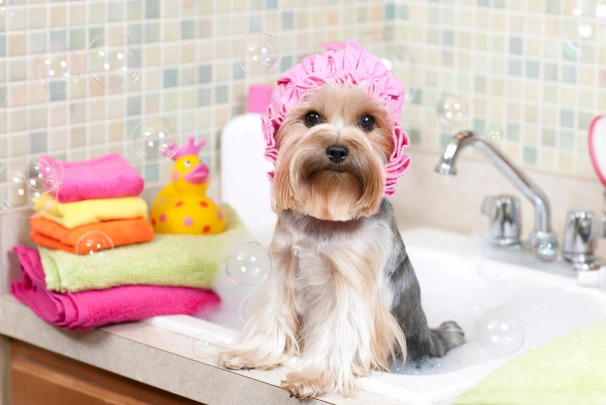
If you’ve ever stood over a muddy Labrador wondering whether it’s time to wash your dog again, you’re not alone. Dog bathing is one of those everyday questions that Melbourne dog owners ask all the time, and the honest answer is: it depends. Bathe too often, and you strip your dog’s natural oils, leaving their skin dry and irritated. Bathe too little, and you’re looking at a build-up of dirt, odour, and potential skin issues.
So what’s the right bathing frequency for your dog? Let’s break it down properly.
The General Rule for How Often You Should Bathe Your Dog
For most dogs, a bath every four to six weeks is a reasonable starting point. But no hard and fast rule applies to every dog. Australia is home to approximately 6.4 million pet dogs, and with such a wide variety of breeds, coat types, and lifestyles, bathing your dog on a one-size-fits-all schedule just doesn’t make sense.
Your dog’s bathing routine should be tailored to their individual needs, not a calendar. A good rule of thumb: if your dog smells, feels greasy, or has visible dirt in their coat, it’s probably bath time.
Key Factors That Influence How Often You Should Wash Your Dog
Understanding what shapes your dog’s bathing schedule helps you make smarter decisions for their health. Here are the main factors to consider:
Coat Type
Coat type is one of the biggest factors in determining how often you bathe your dog. Here’s a quick breakdown:
| Coat Type | Bathing Frequency |
|---|---|
| Short coat (Beagle, Boxer) | Every 4 to 6 weeks |
| Double coat (Border Collie, Golden Retriever) | Every 6 to 12 weeks |
| Curly or wool coat (Poodles, Oodle mixes) | Every 4 to 8 weeks |
| Hairless breeds (Chinese Crested) | Weekly or fortnightly |
Double-coated breeds like Border Collies carry a water-repellent undercoat that insulates them from Australian heat and cold. Over-bathing these dogs can disrupt that natural insulation, causing discomfort and coat damage. Golden Retrievers and similar breeds with longer, dense fur generally benefit from less frequent bathing to preserve their coat’s natural protection.
Activity Level
A dog that swims at the beach, runs through the bush, or rolls in the garden every weekend will obviously need more frequent baths than a lap dog that mostly lounges indoors. Activity level is a practical guide, and Melbourne’s parks and outdoor lifestyle mean plenty of dogs are getting mucky regularly.
Skin Conditions and Allergies
Skin infections and allergies were the number one health condition claimed for in Australian dogs in 2024, according to PetSure claims data, and were most prevalent in dogs aged one to eight years. Dogs with skin allergies, yeast infections, or conditions like atopic dermatitis often need medicated baths more regularly as part of their treatment plan.
Atopic dermatitis alone affects an estimated 10 to 15 per cent of the canine population in Australia, making it one of the most common conditions vets treat. If your dog has a specific medical condition affecting their skin, your vet will give you a bathing schedule that works alongside their treatment.
Breed-Specific Grooming Needs
Some breeds have very different grooming needs. Terriers, for instance, have wiry coats that don’t pick up as much dirt and need less frequent bathing. Hairless breeds like the Chinese Crested, on the other hand, require regular cleaning because their exposed skin collects oils, saliva, and environmental allergens quickly. Golden Retrievers and Border Collies are popular in Melbourne, and each have their own specific bathing schedule.
Odour
Dog smell is a perfectly valid reason to bathe your dog. A strong odour that doesn’t go away after a brush is your cue that it’s time for a proper wash. Dogs that swim frequently or spend time in humid conditions may develop that familiar “wet dog smell” more often, which can also point to yeast overgrowth if it’s persistent.
Dogs That Need MORE Frequent Baths
Some dogs genuinely benefit from weekly or fortnightly bathing, including:
- Dogs with skin allergies or atopic dermatitis
- Dogs on a vet-prescribed medicated shampoo regimen
- Hairless breeds without a protective coat
- Dogs with oily skin or persistent yeast infections
- Dogs that spend a lot of time outdoors in Melbourne’s warmer months
- Dogs that swim regularly
- Dogs are prone to skin infections
If your dog has allergies and needs frequent washing, always use hypoallergenic or medicated shampoos recommended by your vet. The wrong product can make things significantly worse.
Dogs That Need FEWER Baths
On the other hand, some dogs do perfectly fine with fewer baths, including:
- Dogs with dry or sensitive skin (frequent bathing causes more dryness and irritation)
- Short-coated breeds like Boxers that self-maintain reasonably well
- Double-coated breeds, where the coat provides natural protection
- Dogs with sensitive skin that reacts to bathing products
- Older dogs or dogs with a specific medical condition that limits stress tolerance
For dogs with sensitive skin, sticking to every six to eight weeks is usually plenty.
Tips for Bathing Your Dog at Home
Good bath time habits make a real difference to your dog’s coat health and comfort. Here’s what the vets at Keysborough Veterinary Practice recommend:
- Water Temperature: Always use warm water, not hot. Hot water can cause irritation and distress. Lukewarm water is comfortable and safe.
- Shampoo Choice This is non-negotiable: never use human shampoo on your dog. Human products have a different skin pH from dogs and will disrupt the skin’s natural balance, causing dryness, irritation, and itching. Always use a dog-specific shampoo. If your dog has allergies or sensitive skin, look for hypoallergenic or medicated shampoos recommended by your vet.
- Rinse properly. Rinse thoroughly. Shampoo residue left in the coat is a common cause of skin irritation and itching. Take your time, especially in skin folds or around the ears.
- Drying Your Dog Completely Damp fur, particularly in skin folds or ear canals, creates the perfect environment for bacterial and yeast overgrowth. Dry your dog completely after every bath. A towel dry followed by a low-heat blow dry works well for most coat types. Pay special attention to the ears.
- Ear Cleaning After bathing, gently dry the outer ear canal with a clean cotton ball. Never insert anything into the ear canal. Ear infections are one of the most common issues vets see after dogs are bathe,d and often come down to moisture being left behind.
- Brushing Before and After Brushing your dog before a bath helps remove loose hair and prevents tangles from becoming worse when wet. Brushing your dog after a bath, once dry, helps with de-shedding, prevents matting, and keeps the coat looking its best. For dogs with longer coats, regular brushing between baths is just as important as the bath itself.
Dog Bathing Frequency by Coat Type: Quick Reference
| Breed Examples | Coat Type | Recommended Bath Frequency |
|---|---|---|
| Boxer, Beagle | Short coat | Every 4 to 6 weeks |
| Golden Retriever, Border Collie | Double coat | Every 6 to 12 weeks |
| Poodle, Labradoodle, Groodle | Curly/wool coat | Every 4 to 8 weeks |
| Chinese Crested | Hairless | Weekly to fortnightly |
| Dogs with allergies or skin conditions | Any coat | As directed by your vet |
Common Bathing Mistakes Dog Owners Make
Here are the most common grooming mistakes we see in Melbourne dog owners:
- Bathing too often: over-bathing strips essential oils, leading to dryness, itching, and a dull coat
- Using human shampoos: different skin pH means human products cause skin irritation in dogs
- Not rinsing well enough: leftover shampoo residue causes irritation and itching
- Skipping ear drying: moisture trapped in the ear canal after bathing is a leading cause of ear infections
- Brushing a wet, tangled coat: always brush before bathing to avoid worsening tangles
- Bathing in cold water: always use warm water to keep your dog comfortable
Over-Bathing: What It Actually Does to Your Dog’s Skin and Coat
Over-bathing is a real problem, especially for Melbourne dog owners who want to keep their pets clean and fresh. When you bathe your dog too frequently, you strip the natural oils from their coat and skin. Those oils are there for a reason. They protect the skin, keep fur shiny, and act as a first line of defence against allergens and bacteria.
Frequent bathing without veterinary guidance can cause:
- Dry, flaky skin
- Increased itching and irritation
- A dull, brittle coat
- Worsening of existing skin conditions
- Greater susceptibility to skin infections
If you’re concerned about odour between baths, a quick brush or a spot clean with a damp cloth is usually enough to keep your dog fresh without disrupting their coat health.
When to See a Vet Instead of Bathing More
Bathing isn’t a fix for underlying skin conditions. If your dog is experiencing any of the following, book a vet appointment rather than increasing their bath frequency:
- Persistent itching or scratching that doesn’t improve
- Redness, rashes, or hot spots
- Hair loss or bald patches
- A strong odour even after bathing
- Recurring skin infections or yeast infections
- Skin that looks inflamed, crusty, or weepy
These signs can point to allergies, a fungal infection, or other conditions that need proper diagnosis and treatment. Regular bathing can form part of a treatment plan, but it’s not a substitute for veterinary care.
At Keysborough Veterinary Practice, our Melbourne team works with dog owners every day to create personalised skin and coat care plans, including bathing schedules, shampoo recommendations, and treatment for underlying conditions.
Professional Grooming: When It’s Worth It
Not every dog owner in Melbourne has the time, the setup, or the patience to bathe a large, wriggly dog at home. Professional grooming services offer much more than just a bath: they include trimming, brushing, nail care, ear cleaning, and specialised care for complex coat types.
For dogs with curly or wool coats like Oodles, professional grooming every four to eight weeks is often necessary to prevent matting and keep the coat healthy. For other breeds, a visit to the groomer every couple of months alongside regular home grooming is a great balance.
If you’re unsure of your dog’s grooming needs, a vet or groomer can give you a clear bathing schedule based on breed, coat type, and activity level.
Ready to Get Personalised Advice for Your Dog?
Every dog is different, and a good bathing routine is one that works for your dog’s individual coat type, health needs, and lifestyle. If you’re not sure how often to wash your dog, or if you’re seeing signs of skin irritation or infection, the team at Keysborough Veterinary Practice is here to help.
We see Melbourne dogs every day and love helping dog owners get their pets’ skin and coat health on track. Book an appointment today.
Frequently Asked Questions
How often should I bathe my dog if they have allergies?
Dogs with allergies often benefit from weekly baths using a vet-recommended medicated or hypoallergenic shampoo, but your vet will advise the right frequency based on your dog’s specific condition.
Can I wash my dog every week?
For most dogs, weekly washing is too frequent and will strip natural oils from the coat. However, some dogs with specific skin conditions may benefit from weekly baths under veterinary guidance.
What shampoo should I use on my dog?
Always use a dog-specific shampoo. Human shampoos have a different pH from dog skin and cause irritation. If your dog has skin issues, ask your vet about medicated or hypoallergenic options.
How do I know if I’m bathing my dog too often?
Signs of over-bathing include dry, flaky skin, increased itching, a dull coat, and skin irritation. If you’re noticing these symptoms, cut back on bathing frequency and speak to your vet.
Should I brush my dog before or after a bath?
Both. Brush before to remove loose hair and prevent tangles, and brush again once the coat is completely dry after the bath.
