



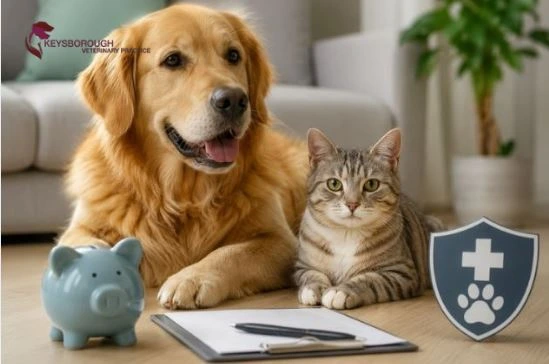
Pet insurance can be worth the expense if an unexpected veterinary bill would be difficult for you to manage and the policy provides useful cover for your pet. It is less likely to feel worthwhile when the exclusions, excess, reimbursement percentage or annual limits leave you paying most of the cost yourself.
There is no single answer for every Keysborough household. A young dog with no known health problems, an older cat with existing conditions and a family with a strong emergency savings fund are making three different decisions.
The most important step is to read the Product Disclosure Statement, often called the PDS, before buying. It explains what the insurer covers, what it excludes and how claims are calculated. This article is general information, not financial advice, and policy terms can change.
What is pet insurance?
Pet insurance is a policy intended to reimburse eligible veterinary expenses according to its terms. In Australia, cover commonly focuses on accidents, illness or a combination of both. Some insurers offer optional routine-care benefits, but these should not be confused with comprehensive cover for every veterinary visit.
Depending on the policy, you may still need to pay:
- an excess;
- a percentage of the bill;
- costs above an annual or condition limit;
- expenses for excluded treatments; and
- the full cost of anything connected with a pre-existing condition.
The insurer, not the veterinary clinic, decides whether a claim is covered. A vet provides treatment and clinical records; the policy determines reimbursement.
What does pet insurance usually cover?
Policies are often designed around unexpected illness or injury rather than everyday prevention. Routine services such as the clinic’s vaccination and wellness care may therefore sit outside the main accident-and-illness benefit unless an optional allowance applies.
Cover varies considerably, but eligible treatment may include investigation and care for certain accidental injuries or illnesses. Depending on the PDS, this may involve consultations, diagnostic tests, imaging, medication, hospital care or surgery.
Some policies include sub-limits for particular conditions or treatments. Others require a waiting period before illness cover begins. Certain dental, behavioural, hereditary or specialist costs may have additional rules.
Never rely on a policy summary alone. Read the definitions and exclusions that apply to your pet.
What is usually not covered?
Common exclusions or restrictions may include:
- pre-existing conditions;
- conditions showing signs before cover or during a waiting period;
- routine and preventive care unless specifically included;
- vaccinations;
- routine desexing;
- grooming;
- elective procedures;
- breeding or pregnancy-related care;
- dental care outside stated conditions;
- food and non-prescription products; and
- costs above policy limits.
This list is not universal. Some policies offer limited routine-care benefits, while another may exclude an item entirely. Check the current PDS and ask the insurer to explain anything unclear in writing.
What is a pre-existing condition?
Insurers generally use the term for a condition, symptom or sign that existed before the policy began or during a relevant waiting period, according to the policy definition.
This can surprise owners because a condition may not have been formally diagnosed when the first symptom appeared. Clinical notes showing earlier vomiting, itching, lameness or another sign may be considered during claim assessment.
Do not delay veterinary care to avoid creating a record. Your pet’s health comes first, and an untreated problem may become more serious. If you are unsure how an insurer would classify an earlier symptom, ask the insurer directly.
How pet-insurance claims are calculated
A policy may reimburse an eligible percentage after the excess, up to applicable annual or sub-limits. The exact order of calculation varies.
For example, a policy could have:
- an annual benefit limit;
- an excess per year or condition;
- an 80% reimbursement rate;
- a separate limit for a particular treatment; and
- excluded fees.
Two policies advertising the same reimbursement percentage can therefore pay very different amounts. Work through the insurer’s examples and ask how the calculation applies to consultations, diagnostics, surgery and follow-up care.
The strongest reason to consider pet insurance
The difference is most obvious when a pet needs assessment without much warning. Keysborough Veterinary Practice provides urgent pet care during clinic hours, while the insurer decides whether the eventual diagnosis and treatment meet the policy terms.
Insurance is mainly about transferring financial risk. The value appears when an eligible, unexpected problem needs prompt investigation or treatment and the household does not have to make the decision from savings alone.
At our Keysborough clinic on Chapel Rd, X-ray, ultrasound and pathology are available in-house. That can help the vet investigate a sick or injured dog or cat in one location. Whether an insurer reimburses those services depends on the policy and reason for treatment.
When pet insurance may be worth it
It may be useful when:
- A large unexpected bill would be hard to absorb;
- You prefer a known premium to carrying the full risk yourself;
- Your pet is young and has fewer recorded health problems;
- The breed may face expensive conditions, subject to policy terms;
- Your pet is active or exposed to accident risk;
- The policy offers appropriate limits and exclusions; and
- You understand what you must still pay.
Insurance does not guarantee that every treatment decision becomes affordable, but it can reduce eligible costs in a serious event.
When it may be less suitable
Pet insurance may be less attractive when:
- Premiums and excesses do not fit the household budget;
- The pet has several pre-existing conditions;
- Important concerns are excluded;
- Annual or condition limits are low compared with the risk;
- You already maintain an emergency fund you are comfortable using; or
- You expect the policy to cover routine care that it excludes.
The decision may also change as the pet ages and premiums or terms change. Review renewal documents rather than assuming the policy remains the same.
Pet insurance versus an emergency savings fund
Some owners self-fund veterinary care by making regular deposits into a separate savings account. This provides flexibility because the money can be used for any veterinary expense.
The limitation is timing. A young pet can have an accident before the fund has grown. Insurance may provide greater protection for eligible events early on, while savings remain useful for excesses, exclusions and routine care.
Some households use both: insurance for larger eligible expenses and savings for preventive care and the part the policy does not reimburse.
Questions to ask before buying pet insurance
What conditions are excluded?
Read the full exclusions, including definitions for pre-existing, bilateral, hereditary and congenital conditions.
What waiting periods apply?
Accident, illness and particular conditions may have different waiting periods.
How is the excess charged?
It may apply per claim, condition, policy year or another method.
What percentage is reimbursed?
Confirm whether the percentage is applied before or after excesses and sub-limits.
What are the annual and condition limits?
Look for both the overall maximum and smaller limits hidden within categories.
Does cover change with age?
Ask about entry ages, renewal, reimbursement, excess and premium changes.
Are dental conditions covered?
Dental cover often has specific eligibility, preventive-care and exclusion rules.
Is routine care included?
If an optional benefit exists, compare its annual cost with the maximum available benefit.
Can I use my regular vet?
Confirm whether the insurer restricts providers or uses a particular claim process.
How are claims submitted?
Ask whether you pay first, whether the clinic sends records and how long assessment usually takes. The clinic cannot guarantee insurer processing.
Comparing policies properly
Look beyond the word “diagnostics”. Tests performed through services such as veterinary pathology may be eligible only when connected to a covered condition, subject to the policy’s excess, limits and exclusions.
Create a simple table with:
| Policy area | Policy A | Policy B | Policy C |
| Annual premium | |||
| Excess | |||
| Reimbursement | |||
| Annual limit | |||
| Sub-limits | |||
| Waiting periods | |||
| Pre-existing definition | |||
| Dental conditions | |||
| Routine care | |||
| Age-related changes | |||
| Claim method |
The cheapest premium is not necessarily the least expensive policy after a claim. Equally, the broadest policy may not be necessary for every household.
When should you buy pet insurance?
Owners often consider insurance when bringing home a puppy or kitten, before health problems have appeared. Buying early does not remove exclusions or waiting periods, but it may reduce the number of conditions considered pre-existing.
If your pet is older, cover may still be available, but entry rules, premiums and exclusions may differ. Compare the policy with your pet’s records and ask the insurer specific questions.
Does insurance affect veterinary recommendations?
It should not replace a clinical discussion. The practice’s wider surgical and dental services are recommended according to the animal’s needs, while coverage is a separate decision made under the policy.
The vet’s role is to assess your pet and discuss appropriate options. The policy is a financial arrangement between you and the insurer.
Tell the clinic that you have insurance, but do not assume a recommended test or treatment will be covered. If the decision is not urgent, you can contact the insurer for information. Urgent care should not be delayed while waiting for claim approval.
How pet insurance works at Keysborough Veterinary Practice
Keysborough Veterinary Practice is independent and owner-operated and has been on Chapel Rd since 1988. We can provide clinical records and invoices needed for a claim, subject to the clinic’s process. The insurer makes the final coverage decision.
Read more about pet insurance accepted at our clinic and contact reception on (03) 9798 7274 if you need to ask how paperwork is handled. Please confirm with the clinic whether direct electronic claims or particular insurer processes are currently available before the SEO person adds those details.
Is pet insurance worth it for your dog or cat?
It is worth considering when the policy protects against costs that would otherwise place the household under pressure. It is not a substitute for understanding exclusions or maintaining some savings.
Read the PDS, compare several policies and imagine how each would respond to an accident, a chronic illness and a routine procedure. If the remaining out-of-pocket amount still feels manageable and the covered risks matter to you, insurance may provide useful financial certainty.
Booking at our Keysborough clinic
For a routine appointment, book online through the Keysborough Veterinary Practice website or call (03) 9798 7274. The clinic is open until 8:00pm on Monday, Wednesday and Friday, with other hours shown on the website.
Frequently asked questions
Is pet insurance worth the expense?
It may be if an unexpected eligible veterinary bill would be difficult to manage. Value depends on premiums, excess, reimbursement, limits and exclusions.
What does pet insurance cover?
Policies may cover eligible accidents and illnesses, including some consultations, tests, medication or surgery. Read the current PDS.
Does pet insurance cover routine vet visits?
Standard accident-and-illness policies often exclude routine care unless an optional benefit applies. Check the policy.
Are pre-existing conditions covered?
They are commonly excluded or restricted according to the insurer’s definition. Ask how earlier signs and symptoms are assessed.
Can I use any vet?
Many policies allow treatment by a registered vet, but terms and claim processes vary. Confirm with the insurer.
Do I pay the vet first?
Often the owner pays the clinic and seeks reimbursement, but some insurers and clinics use other processes. Confirm both sides before relying on one method.
Is an emergency fund better than insurance?
Savings are flexible but may be insufficient early. Insurance can cover eligible risks, while savings help with excesses, exclusions and routine care.
Does pet insurance become more expensive as pets age?
Premiums and terms may change with age and other factors. Review renewal information each year.
Should I delay treatment until my insurer approves it?
Do not delay urgent veterinary care. Coverage can be discussed, but your pet’s health should guide immediate decisions.
Can the clinic tell me whether a claim will be approved?
No. The clinic can provide clinical information, but only the insurer can decide coverage under the policy.
