



If you live in Keysborough, you already know the summers are no joke. We’re talking 40-degree days, sticky humidity, and a spring season that brings out every flea and tick in the Greater Dandenong area. What you might not know is how much all of that is quietly affecting your pet’s health: often before you notice a single sign of illness.
Around one in six cat and dog owners across Australia have deferred veterinary check-ups and vaccinations due to cost pressures. The Aus Vet Mag: but here’s the thing: the longer you wait, the harder (and more expensive) things can get. Regular wellness checks aren’t just a box-tick. In a climate like Keysborough’s, they’re one of the most important things you can do for your beloved pet.
What Is a Pet Health Check, and What Does a Wellness Visit Actually Cover?
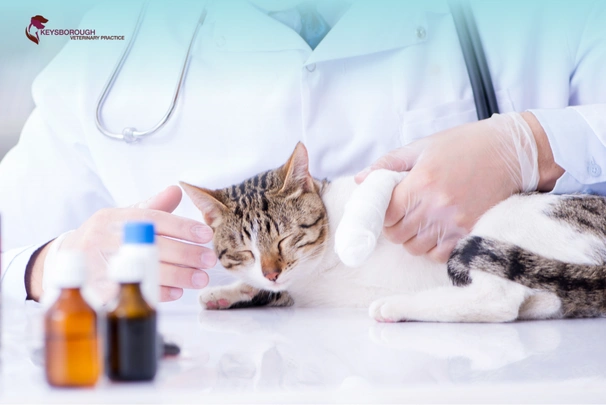
A wellness checkup is not the same as a sick visit. When you bring your pet in because something’s wrong, the vet is solving a problem. A wellness check is about getting ahead of those problems before they start, and that’s a very different thing.
At Keysborough Veterinary Practice, a standard health check covers:
. Weight and body condition: Is your pet carrying extra weight, or losing it without reason?
. Teeth and dental health: Dental disease is one of the most common and most overlooked health issues in Australian pets
. Skin and coat: Especially important in humid conditions where hot spots and fungal infections can develop fast
. Heart and lungs: Your vet listens for anything unusual, including early signs of heat-related stress
. Eyes and ears: Moisture-heavy summers are a common trigger for ear infections in dogs and cats
. Blood pressure and hydration levels
. Parasite screening: Checking for fleas, ticks, and worms
. Vaccination status: Making sure your pet is up to date and protected
Most wellness visits take 20–30 minutes. You’ll leave knowing exactly where your pet stands, and your vet can flag anything that needs watching.
How Keysborough’s Climate Affects Pet Health: What Every Responsible Pet Owner Should Know
Keysborough sits in Melbourne’s south-east, and while it’s not tropical, the local climate throws a surprising amount at our pets across the year. Here’s what to watch for season by season.
Summer (December – February): Heat, Dehydration, and Hot Pavements
Melbourne summers regularly push past 38–40°C, and Keysborough is no exception. Pets, especially dogs, can overheat very quickly. Heatstroke can set in within minutes, and it can be life-threatening.
What many pet owners miss is the subtler stuff. A dog that seems totally fine might actually be quietly dehydrated after a few hot days. Kidney stress from dehydration often shows no obvious signs early on, but it’s the kind of health issue that a vet can detect during a routine check before it becomes a serious problem.
A few other summer hazards to be aware of:
. Hot pavement: Bitumen can reach 70°C on a hot day and burn paw pads badly
. Water quality: Pets drinking from stagnant backyard water sources during summer face bacterial risks
. Local wildlife: Brown snakes and other reptiles are far more active during the warmer months in the Keysborough area, and snake bites in pets spike significantly over summer
Spring and Autumn: Flea Season, Ticks, and Grass Seeds
Fleas are one of the most common summer parasites in Australia, multiplying rapidly in warm weather, and once they’re in your home, they can be incredibly difficult to eliminate. oakleighcentralvet Spring and autumn are peak seasons, and Keysborough’s parks and reserves give fleas and ticks plenty of opportunity to find a new host.
The paralysis tick (Ixodes holocyclus) is found along the eastern coastal strip of Australia and is most abundant from August to March, with cases reported as far south as Melbourne in recent years. Pet Circle It’s worth talking to your vet about your pet’s risk level, especially if you walk dogs in bushland areas.
Grass seeds are another spring hazard that’s easy to miss. They can work their way into paws, ears, and skin, sometimes causing abscesses that need veterinary treatment.
Humidity: The Hidden Trigger for Skin and Ear Infections
Melbourne’s humidity, especially in late summer and autumn, creates ideal conditions for skin infections, ear infections, and fungal conditions in dogs and cats. If your pet is scratching more than usual, shaking their head, or developing patchy skin, humidity is often a contributing factor. These are the kinds of health changes that come up in a wellness check before they escalate.
What Vets Look for During a Seasonal Wellness Check: and Why It Matters for Signs of Illness
A good vet doesn’t just run through a checklist. They’re reading your pet’s overall health status in the context of the season and your local environment. Here’s what a seasonal check at Keysborough Veterinary Practice typically focuses on:
. Skin and coat condition: Looking for flea dirt, allergic reactions, hot spots, or hair loss
. Ear health: Checking for moisture-related infections, common in humid months
. Weight and hydration: Pets can lose or gain weight seasonally; both matter
. Heart and lung sounds: Heat-related stress can show up here before other signs of illness appear
. Parasite screening: Fleas, ticks, intestinal worms, and heartworm are all active year-round in Keysborough
. Dental health: Dental disease affects the majority of pets over the age of three and is a major contributor to broader health problems. Ignoring dental health can lead to heart, kidney, and liver complications down the track
. Vaccination status: Keeping vaccinations current is especially important if your pet visits parks, kennels, or dog-friendly spaces in the Greater Dandenong area
How Often Should Keysborough Pets Visit the Vet? A Guide for Different Life Stages
Vet-recommended check-up frequency depends on your pet’s age and health conditions. Here’s a straightforward guide based on what veterinary care guidelines suggest:
. Puppies and kittens: Visit the vet every 3–4 weeks until their vaccination course is complete, usually around 16 weeks of age. Early vet visits are critical for building immunity and catching any developmental issues early
. Adult dogs and cats (1–7 years): A health check at least once a year is the standard recommendation. Dogs should visit the vet at least annually, even if they seem perfectly healthy
. Senior pets (7+): Senior dogs and senior cats need regular vet visits every six months. At this life stage, health conditions can progress quickly, and early detection makes a real difference
It’s also worth noting that if you’re registering your pet with the Greater Dandenong Council, vaccination records are required: another reason to keep your pet’s health checks per year on track.
The large majority of Australian cat (90%) and dog (96%) owners have vaccinated their pets at least once, Animal medicines australia, but staying current with boosters and annual health checks is what keeps that protection active.
Why Keysborough Pet Owners Shouldn’t Wait for Symptoms: The Case for Preventive Care
This is honestly one of the most important points in this whole blog, so bear with us.
Pets are masters at hiding illness. Cats, especially, will hide illness until they really can’t anymore. By the time your pet is showing obvious signs of illness, the problem has often been brewing for a while. In Keysborough’s climate, this matters even more because climate-related health issues like dehydration, early kidney stress, skin infections, and flea allergy dermatitis can all be well underway before you notice anything different about your pet.
Here’s a real-world example: a healthy-looking dog in February. Active, eating well, drinking from the bowl. But after three weeks of 35°C+ days, that dog is quietly dehydrated. Kidney function is under stress. There are no outward signs, but a vet doing a wellness check would pick it up through a physical exam and ask about water intake and urination patterns.
Animal Medicines Australia has noted that delaying regular check-ups can mean pet health issues are not identified at an early stage, and that ensuring pets receive the right veterinary care is essential for their health and wellbeing. Animal medicines australia
A few common mistakes that lead to bigger problems:
. Delaying the first vet visit for a new puppy or kitten: early visits set the health baseline and get vaccinations started
. Ignoring dental health: dental disease is progressive and painful, and it doesn’t get better on its own
. Skipping annual checks because the pet seems fine: many health issues like organ disease and early cancer, show no external signs until they are advanced
Regular vet visits help detect health problems early, when they’re far more manageable. And beyond just saving money, early detection can genuinely save their life.
Australians are estimated to be spending over $21 billion annually to keep pets fed, healthy and well-accessorised. The Aus Vet Mag: and yet, a significant portion of Australian pet owners are still deferring basic preventive care. Don’t let your pet be in that group.
Book a Pet Wellness Check at Keysborough Veterinary Practice
If it’s been a while since your pet has had a check-up, or if you’ve never quite got around to that first wellness checkup, now is a great time to sort it. The team at Keysborough Veterinary Practice understands the local climate and knows what to look for across every season in this part of Melbourne.
Whether you have a bouncy new puppy, a senior cat in their golden years, or an adult dog who seems perfectly healthy, regular veterinary care is one of the simplest things you can do to ensure your pet stays happy and healthy for the long haul.
Booking is easy. Call the pet clinic or book online, and the team will tailor the visit to your pet’s needs, age, and health history. Because every pet deserves to be in top shape, and every cat owner and dog owner in Keysborough deserves the peace of mind that comes from knowing their pet is looked after.
Frequently Asked Questions
How often should I bring my pet in for a health check?
Adult pets need at least one vet visit per year, while senior pets benefit from every six months. Puppies and kittens need regular vet visits every 3–4 weeks until their vaccinations are complete.
What’s the difference between a wellness check and a sick visit?
A wellness check is preventive: your vet assesses your pet’s overall health status before problems arise. A sick visit is reactive, addressing a specific issue that’s already developed.
Does Keysborough’s climate really affect my pet’s health?
Yes. Heat, humidity, and flea season all create real health risks for dogs and cats in this area. Regular health checks help catch climate-related issues like dehydration and skin infections early.
My pet seems fine: do they still need regular check-ups?
Absolutely. Pets hide illness well, and many health conditions show no obvious signs until they’re advanced. That’s exactly why preventive care matters.
What vaccinations does my pet need?
Your vet will recommend a vaccination schedule tailored to your pet’s age and lifestyle. Keeping vaccinations current is also a requirement for pet registration with the Greater Dandenong Council.
