



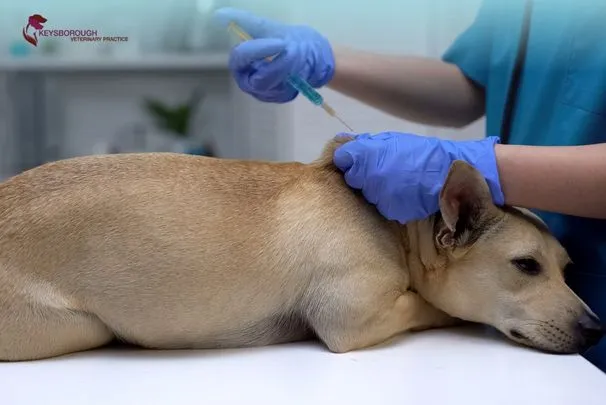
If your dog or cat is turning seven this year, congrats: they’re officially a senior pet. And while that first grey muzzle hair is kind of adorable, it’s also a good reminder that what your pet needs from a vet visit is starting to change.
Here’s the thing: a lot of Keysborough pet owners don’t realise that the annual vaccine check-up that’s kept your pet healthy through their younger years isn’t quite enough anymore. It’s a great start, but for older pets, it leaves a lot of ground uncovered. This article walks you through what changes as pets age, what a proper senior pet health check actually looks like, and why the standard once-a-year visit is no longer the recommended approach for dogs and cats over seven.
When Does a Dog or Cat Become ‘Senior’?
This one surprises people. The age at which dogs and cats are considered senior varies quite a bit:
- Small & Medium Dogs – Considered senior from 7 years
- Large Breed Dogs – Considered senior from 6 years
- Giant Breed Dogs – Considered senior from 5 years
- Cats (Mature Stage) – From 7 years
- Cats (Senior Stage) – From 10–11 years
So if you have a seven-year-old Labrador, they are already a senior dog by veterinary standards. Cats have a bit more runway in the “mature adult” phase, but the biological changes still begin well before age ten.
The real issue isn’t just the number: it’s what’s happening inside. As pets age, their health parameters shift faster. What was a perfectly normal blood result twelve months ago might look quite different today. That’s why leaving a twelve-month gap between check-ups, which is fine for younger animals, starts to carry real risk for older ones.
What Actually Changes Inside an Ageing Pet’s Body
When we talk about age-related changes in dogs and cats, we’re talking about real, measurable shifts in organ function and physical condition. Here’s what vets look for as pets age:
- Kidney function: One of the first organs to show signs of decline in both dogs and cats. Early kidney disease is largely silent, which is exactly why it needs to be actively tested for.
- Liver function: Can decline gradually, affecting how your pet processes medications and metabolises food.
- Heart health: Cardiac disease becomes more common in senior pets and can be managed effectively if found early.
- Thyroid function: Particularly relevant in cats. Hyperthyroidism is the most common endocrine disorder in senior cats and is recognised across Australia, New Zealand, the UK, and beyond as a major cause of ill-health in older cats.
- Joints and muscles: Arthritis affects a significant number of dogs, with research from the University of Sydney finding approximately 20% of Australian dogs over one year of age show signs of osteoarthritis, a number that rises considerably with age.
- Dental health: Dental disease accelerates in senior years, leading to chronic pain and bacteria entering the bloodstream.
- Cognitive function: Dogs can develop canine cognitive dysfunction, the equivalent of dementia, which affects sleep, behaviour, and orientation.
These aren’t rare or unusual problems: they’re a predictable part of how dogs and cats age. The question is whether you catch them early enough to do something about it.
Why Annual Check-Ups Are Not Enough for Senior Pets
To put this in perspective: a ten-year-old dog is roughly equivalent to a 70-year-old person in human terms. Imagine that person visiting their GP just once every seven years. You’d be concerned, right?
For senior pets, regular health checks every six months are now the standard recommendation from veterinary professionals. Here’s why that matters:
- Conditions like kidney disease, heart disease, and hyperthyroidism can progress significantly within six months.
- Early detection through regular vet visits and blood panels is one of the most effective tools available.
- Around one in six cat and dog owners across Australia deferred veterinary check-ups and vaccinations due to cost-of-living pressures, according to Animal Medicines Australia’s 2025 Pets in Australia report. Deferred check-ups in senior animals can mean health issues go undetected until they’re much harder to treat.
A standard vaccine visit typically involves a physical exam and the appropriate vaccination. A proper senior pet health check goes considerably further.
What’s included in a senior check-up vs a standard vaccine visit:
The gap between those two columns is the gap between catching something early and finding out about it when it’s already become serious.
Senior-Specific Diagnostic Tests at Keysvet
At our Keysborough veterinary practice, a dedicated senior pet health check is built around what actually changes in older animals. Here’s what our vet may recommend as part of a full senior wellness assessment:
- Complete blood count and biochemistry panel: checks organ function, red and white blood cell counts, and overall health indicators
- Thyroid hormone testing: particularly important for cats over ten, given that hyperthyroidism affects an estimated 10% or more of senior cats worldwide, including in Australia
- Urinalysis: one of the earliest indicators of kidney disease, often showing changes before blood results do
- Blood pressure monitoring: Elevated blood pressure is common in older cats and dogs, and is often linked to underlying kidney or thyroid disease
- Joint assessment: a hands-on evaluation for pain, swelling, or reduced range of motion that might indicate arthritis
- Chest and abdominal X-rays: used when there’s reason to assess heart size, lung condition, or organ changes more closely
These tests aren’t about running up a bill: they’re about getting a clear picture of your pet’s overall health so that any age-related concerns can be addressed before they become serious health issues.
Common Conditions Caught Early Through Senior Screening
Regular health checks allow vets to find things that don’t yet have obvious symptoms. The conditions below are all manageable when found early and much harder to treat when they’ve had time to progress.
- Chronic Kidney Disease (CKD) CKD is one of the most common conditions in senior cats. Research shows kidney disease affects up to 40% of cats over the age of 10 and as many as 80% of cats over 15 (Cornell University College of Veterinary Medicine, updated January 2025). In dogs, it affects up to 10% of elderly animals. Early kidney disease has no obvious signs: regular urinalysis and blood panels are the only reliable ways to find it.
- Hyperthyroidism in Cats Hyperthyroidism is now recognised as the most common endocrine disorder in cats across Australia. A survey of Australian general practice veterinarians published in 2016 found that 95% of the 546 respondents had diagnosed more than one cat with hyperthyroidism in the previous six months. Left untreated, it causes significant harm to the heart and kidneys.
- Arthritis and dental disease are two of the most overlooked sources of chronic pain in senior dogs and cats, but arthritis is close behind. Research from the University of Sydney found that approximately 20% of Australian dogs over one year of age are affected by osteoarthritis, with prevalence increasing significantly in older dogs. Pain management and joint support can dramatically improve daily comfort and quality of life.
- Dental Disease Dental health deteriorates rapidly in the senior years. Untreated dental disease causes ongoing pain and allows bacteria to enter the bloodstream, affecting the kidneys, liver, and heart.
- Early Cardiac Disease Heart disease in dogs, particularly in certain breeds, is manageable with medication when caught at the right stage. Regular vet visits, including chest assessments, can significantly extend a dog’s comfortable, active years.
Signs to Watch for at Home Between Visits
You don’t need veterinary training to notice that something has changed. Keysborough pet owners who know what to look for can help their vet catch potential health issues early. Keep an eye on:
- Increased thirst or urination: a common early sign of kidney disease or thyroid problems in cats
- Weight loss despite eating normally can indicate hyperthyroidism, diabetes, or other issues requiring investigation
- Reluctance to jump, climb stairs, or get comfortable: classic arthritis signs in dogs and cats
- Bad breath, difficulty chewing, or dropping food: often points to dental disease
- Confusion, changed sleep cycles, or vocalising at night: possible signs of canine cognitive dysfunction
- Changes in coat quality or energy levels: general health changes that are worth flagging
The important thing here is not to chalk everything up to “just getting old.” Many of these symptoms are very treatable, but only if your vet knows about them. Frequent vet visits in your senior pet’s years make a real difference because your vet is building a picture of what’s normal for your individual animal, and can spot when something shifts.
What Preventive Care Actually Looks Like for Senior Pets
Preventive care for a senior pet is not complicated, but it does require a bit more attention than when they were younger. Here’s what a sensible plan looks like:
- Every six months: A full senior health check, including physical exam and relevant blood panel
- Every twelve months: Health checks and vaccinations as applicable
- Ongoing at home: Monitoring weight, eating habits, water intake, and mobility
- Dental care: Regular dental checks with professional cleaning as recommended
- Immediate vet contact: Any sudden changes in behaviour, appetite, or mobility
Maintaining your pet’s health as they get older is genuinely one of the most valuable things you can do for them. And when you think about it, it’s part of responsible pet ownership: they can’t tell you when something hurts or feels wrong.
Book a Senior Pet Health Check at Keysvet
If your dog or cat is seven or older, a standard vaccine visit isn’t quite the full picture anymore. Book a senior pet health check with our Keysborough team and ensure your pet stays healthy and gets the dedicated screening their senior years require.
Our Melbourne-based Keysborough veterinary practice is here to support your senior pet’s long-term health and wellbeing. Call us on (03) 9798 7274 to organise a senior health plan today.
Frequently Asked Questions
When should I start senior health checks for my dog or cat?
Most vets recommend starting dedicated senior screening from age seven for dogs and from age seven to ten for cats, depending on breed and health history.
How often should senior pets see a vet?
Every six months is the general recommendation for pets in their senior years. Annual visits are fine for younger, healthy adult dogs, but not adequate once pets age into their senior bracket.
What does a senior health check include?
A senior health check typically includes a detailed physical exam, blood panel, urinalysis, blood pressure monitoring, and joint assessment. Thyroid testing is usually added for cats over ten.
Can the vet really find something on a blood test before my pet seems sick?
Yes, and that’s exactly the point. Kidney disease and hyperthyroidism in particular often show up on diagnostic tests well before your pet shows any obvious signs.
Is dental care part of a senior wellness check?
Your vet will assess your pet’s dental health as part of a senior check-up and can advise whether a professional dental cleaning is recommended.
