



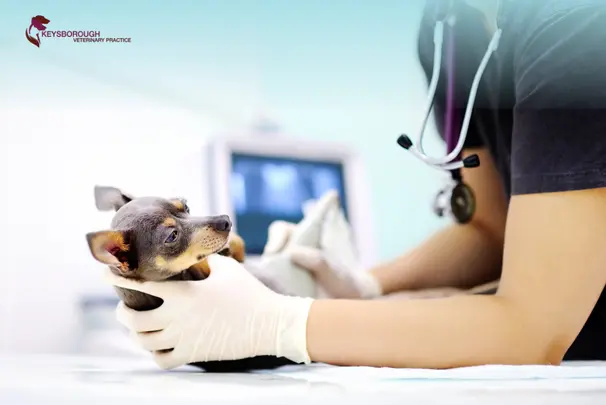
It’s not always obvious when a limp or a change in behaviour means something serious. Sometimes it’s a one-off tumble in the backyard. Other times, it’s the first sign of a real problem.
Dogs are good at hiding pain. So by the time you notice something’s off, it’s often already been bothering them for a while.
This guide walks you through the common signs that your dog may need orthopedic surgery, the difference between a routine concern and a genuine emergency, and what actually happens if surgery is on the cards. We’ll also cover what a typical consultation looks like, what recovery involves, and why waiting rarely pays off.
If in doubt , our Keysborough team offers both scheduled consultations and urgent care, so you’re never left guessing what to do next.
Common Signs Your Dog May Need Surgery
Not every limp means surgery. But these signs are worth taking seriously.
Persistent limping or favouring a leg
A limp that sticks around for more than a day or two, or keeps coming back, points to an underlying issue rather than a minor knock.
Sudden yelping or reluctance to move
If your dog cries out during normal movement, or suddenly won’t jump on the couch or take the stairs, they’re telling you something hurts.
Visible swelling, lumps, or deformities
Swelling around a joint or a leg that looks a different shape from the other side needs a proper look from a vet.
Difficulty standing, jumping, or climbing stairs
This is often one of the earliest signs of joint pain, especially in older dogs or larger breeds.
Loss of appetite combined with lethargy
Pain affects more than mobility. A dog that’s off its food and unusually flat may be dealing with more discomfort than you realise.
Abdominal swelling or distension
This one’s different to the others. A swollen, tight-looking belly can be a surgical emergency and needs urgent care, not a wait-and-see approach.
Common Conditions That May Require Orthopedic Surgery
A few conditions come up again and again in general practice:
- Cruciate ligament tears — one of the most common causes of hind leg lameness in dogs, particularly in active or larger breeds. Research on insured dog populations puts the prevalence of cruciate ligament disease at roughly 0.6–2.5% of all dogs, though it’s far more common in certain breeds.
- Hip dysplasia — a developmental condition affecting the hip joint, more common in larger and giant breeds.
- Patella luxation — a kneecap that slips out of place, frequently seen in smaller breeds.
- Fractures from trauma or falls — sudden injuries, often from car accidents, falls, or rough play.
How these are diagnosed:
- A hands-on physical exam and mobility assessment
- X-rays to check the bone and joint structure
- Sometimes, a referral for CT or MRI imaging for more complex cases
When It’s a Surgical Emergency vs a Routine Concern
Signs that require urgent care immediately
- Sudden collapse
- Severe bleeding
- A bloated, distended abdomen
- Inability to stand
- A visible bone or open fracture
If you’re seeing any of these, don’t wait. Call us or head straight to urgent care.
Signs that warrant a booked appointment
- Mild, intermittent limping
- A small lump that isn’t growing or bothering your dog
- General stiffness after exercise
Even so, if you’re ever unsure, it’s always safer to call and ask. Our team would rather talk you through it than have you second-guess a genuine problem.
What Happens During a Surgical Consultation
A typical orthopedic consultation includes:
- A physical exam and mobility assessment
- Diagnostic imaging, usually x-rays, with referral for CT or MRI if needed
- A discussion of your options, including non-surgical management versus surgery
- Pre-surgical health screening, including bloodwork and an anaesthetic risk assessment
We’ll walk you through what’s involved before any decisions are made, so you understand exactly what your dog needs and why. If you’d like more detail on how we manage the anaesthetic side of things, we’ve covered that in our guide to what happens when your pet goes under anaesthesia.
Recovery After Orthopedic Surgery
Recovery timelines vary depending on the procedure and your dog’s age and size, but a few things stay consistent:
- Rest matters. Controlled movement, usually on a lead, is essential in the first few weeks.
- Follow-up visits let us track healing and catch any complications early.
- Rehabilitation or physiotherapy may be recommended for some dogs to help rebuild strength and mobility safely.
We’ve also put together a full guide to caring for your pet after surgery, covering everything from wound care to exercise restrictions at home.
Why Fast Action Matters
Delaying treatment doesn’t make orthopedic problems go away. It usually makes them worse.
An untreated cruciate ligament tear, for example, often leads to ongoing joint instability and arthritis further down the track. Catching problems early generally means a simpler treatment path and a smoother recovery for your dog.
Our Keysborough veterinary practice is set up to assess these issues quickly. Whether it’s a scheduled surgical consultation or urgent care for something that can’t wait, our vets and nurses will work out the right next step for your pet.
Australians love their dogs. Recent national research puts the dog population at around 7.3 million, and most of those dogs saw a vet at least once in the past year. Regular check-ups make it far more likely that orthopedic issues get picked up early, before they turn into something bigger.
Decision Guide: Symptom → Next Step
| Symptom | What to do |
| Sudden collapse, can’t stand, visible fracture, heavy bleeding | Urgent care — call or come in immediately |
| Bloated or distended abdomen | Urgent care — this can be life-threatening |
| Persistent or worsening limp over several days | Book a vet appointment |
| Small, stable lump with no other symptoms | Book a vet appointment |
| Mild stiffness after exercise, otherwise normal | Monitor, and book if it continues |
If Your Dog Needs Help, Don’t Wait
If your dog is showing signs of pain, limping, or sudden distress, don’t wait it out. Contact our Keysborough team for an assessment. We offer both scheduled orthopedic surgery consultations and urgent care when your pet needs it most. Our vets and nurses are here to help you figure out the right next step, whether that’s a routine check-up or same-day care.
Call (03) 9798 7274 or book an appointment online.
FAQs
How do I know if my dog’s limp is serious?
If it lasts more than a day or two, gets worse, or comes with swelling or reluctance to move, it’s worth booking a vet check.
Is orthopedic surgery safe for older dogs?
Age alone isn’t a barrier. We assess each dog’s overall health and anaesthetic risk before recommending surgery.
What’s the recovery time for cruciate ligament surgery?
It varies by dog and procedure, but most dogs need several weeks of restricted activity followed by a gradual return to normal exercise.
Should I go to emergency care or book a regular appointment?
If your dog has collapsed, can’t stand, or has a visibly bloated abdomen, treat it as an emergency. For milder, ongoing symptoms, a booked appointment is usually appropriate.
Related reading:
