



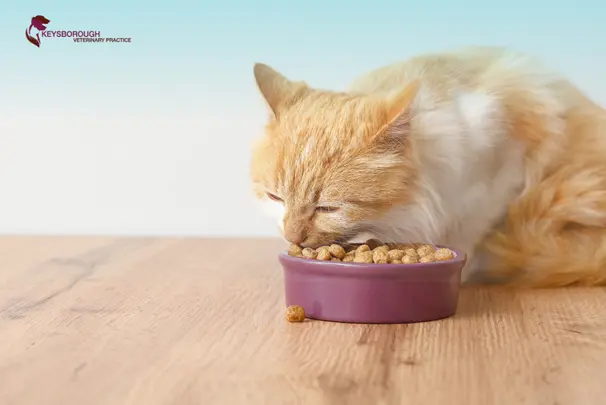
When you notice your cat shedding kilos despite a healthy appetite, it’s natural to feel concerned. Weight loss in cats while they’re still eating normally often signals an underlying health issue that needs attention. Common culprits include diabetes, kidney disease, thyroid problems, and digestive disorders. In Australia, approximately 32% of cats are overweight or obese, making unexpected weight loss particularly noticeable and worrying for cat owners.
Is Weight Loss in Cats Ever Normal?
Not really. While senior cats often experience gradual changes in body composition as they age, noticeable weight loss despite eating is rarely normal. Even if your cat seems otherwise healthy, losing weight while maintaining their usual food intake warrants a veterinary examination.
Some older cats naturally lose a bit of muscle mass, but this shouldn’t result in significant weight changes. If you can suddenly feel your cat’s ribs more prominently or notice their spine protruding, it’s time to book a vet appointment.
Common Causes of Weight Loss Despite Eating
Diabetes in Cats
Feline diabetes is one of the most frequent reasons your cat may be losing weight, even though they’re eating well—or eating more than usual. Research shows that diabetes affects approximately 1 in 100 to 1 in 400 cats, with the prevalence increasing in recent years.
When cats develop diabetes, their bodies can’t properly use glucose from food, leading to weight loss despite increased appetite. Diabetic cats typically show increased thirst and urination alongside their weight changes. The disease is especially common in older cats over seven years of age, with neutered males at particularly high risk.
Chronic Kidney Disease (CKD)
Kidney disease in cats is incredibly common and frequently causes unexplained weight loss. Studies indicate that 20-50% of cats over 10 years old have chronic kidney disease, making it one of the leading health concerns in senior cats.
Chronic kidney disease affects your cat’s ability to filter waste products from their blood. As the kidneys deteriorate, cats often lose their appetite gradually, but early on, they may still eat regularly while losing weight. Other signs include increased drinking, more frequent urination, and general lethargy. Early detection through veterinary check-ups is crucial, as kidney disease progresses slowly and treatment can significantly improve quality of life.
Gastrointestinal Disorders
Inflammatory bowel disease and other digestive problems can cause weight loss in cats even when they’re eating normally. These conditions prevent your cat from properly absorbing nutrients from their food, leading to ongoing weight loss despite adequate calorie intake.
Cats with gastrointestinal disorders might experience vomiting, diarrhoea, or changes in their litter box habits. The inflammation in their digestive tract means they’re not getting the nutrition they need, causing them to lose weight gradually over time.
Intestinal Parasites
While more common in outdoor cats, intestinal parasites can affect indoor and outdoor cats alike. Worms and other parasites literally steal nutrients from your cat’s food, causing weight loss despite normal eating habits.
Regular deworming and faecal checks at your vet can identify and treat these unwelcome guests. Fortunately, intestinal parasites are generally easy to treat once diagnosed.
Dental Disease or Oral Pain
Dental problems are surprisingly common and can make eating painful for your cat. While they might still attempt to eat, dental disease can prevent them from eating enough to maintain a healthy weight. Broken teeth, gingivitis, or oral tumours can all lead to gradual weight loss.
Your vet can perform a thorough oral examination to identify any dental issues causing weight loss. Sometimes, a dental cleaning or tooth extraction can resolve the problem entirely.
Cancer or Other Chronic Disease
Unfortunately, cancer is a possible reason your cat could be experiencing weight loss while still eating. Various cancers, particularly those affecting the digestive system or lymph nodes, can cause your cat to lose weight rapidly despite maintaining their appetite.
Other chronic diseases like hyperthyroidism are particularly common in older cats. Cats often experience increased appetite with hyperthyroidism, but still lose weight because their metabolism is running too fast. This condition affects cats as young as six years old, though it’s more typical in senior populations.
Other Signs to Watch For Alongside Weight Loss
If your cat is eating but losing weight, pay attention to these additional warning signs:
- Increased thirst and urination (suggesting diabetes or kidney issues)
- Vomiting or diarrhoea (indicating gastrointestinal problems)
- Changes in behaviour or energy levels
- Poor coat condition or excessive grooming
- Bad breath (often linked to dental disease)
- Rapid weight loss versus gradual weight loss
- Sudden weight loss in cats under six months old
These symptoms, combined with unintentional weight loss, help your veterinary team identify the underlying cause more quickly. Weight changes accompanied by other signs typically indicate a more urgent problem requiring immediate attention.
How Vets Diagnose Weight Loss in Cats
Your vet will conduct a comprehensive examination to determine why your cat is losing weight but still eating. This process typically includes:
- Physical Examination: Your vet will thoroughly examine your cat, checking for signs of dehydration, dental disease, abdominal masses, or enlarged organs. They’ll also assess your cat’s body condition score to quantify the weight loss.
- Blood Tests: Comprehensive blood work checks kidney function, liver enzymes, blood glucose levels, and thyroid hormones. These tests can identify diabetes, kidney disease, hyperthyroidism, and other metabolic issues causing weight loss despite increased food intake.
- Urine Analysis: Checking your cat’s urine helps detect kidney problems, diabetes, and urinary tract infections. Cats with kidney disease often produce dilute urine, while diabetic cats show glucose in their urine.
- Imaging: X-rays or ultrasound scans may be recommended to visualise internal organs, check for tumours, or assess organ size. These tests are particularly valuable when blood work doesn’t reveal the cause of weight loss.
- Faecal Testing: If intestinal parasites or digestive disorders are suspected, your vet may request a stool sample to check for parasites, bacteria, or other abnormalities.
Taking Action: What You Can Do
If you’re concerned about your cat’s weight loss, here’s what you should do:
- Monitor and Document: Weigh your cat at home regularly using a bathroom scale (weigh yourself first, then hold your cat and subtract your weight). Keep a record of weight changes, eating habits, and any other symptoms you notice.
- Schedule a Veterinary Visit: Don’t delay. Even if your cat is still eating, weight loss often indicates illness. Early intervention can prevent conditions from progressing.
- Adjust Feeding Practices: While waiting for your appointment, ensure your cat has access to fresh water and their usual cat food. Don’t drastically change their diet without veterinary guidance, as this could complicate diagnosis.
- Consider Your Cat’s Environment: Stress can cause weight loss in cats. If you’ve recently moved house, added a new pet, or made other significant changes, mention this to your vet.
If you’re trying to help your cat gain weight, never force-feed or dramatically increase portion sizes without veterinary approval. Some conditions, like kidney disease, require specific dietary management, and the wrong approach could worsen their health.
Book an appointment with Keysborough Veterinary Practice today if you’ve noticed concerns about your cat’s weight. Our experienced team can help identify the cause and create a treatment plan to help your cat gain weight safely and maintain their ideal weight.
Frequently Asked Questions
Why is my cat skinny but eating normally?
Your cat could have diabetes, hyperthyroidism, intestinal parasites, or a digestive disorder preventing proper nutrient absorption. A vet visit is essential to diagnose the cause.
Should I be worried if my cat is losing weight?
Yes. Weight loss despite eating is never normal and usually indicates an underlying health problem requiring veterinary attention.
Can stress cause weight loss in cats?
Yes, stress and anxiety can lead to weight loss, though stressed cats typically also experience a loss of appetite. If your cat is eating well but losing weight, medical causes are more likely.
How much weight loss is too much for a cat?
Any noticeable weight loss warrants investigation. As a rule, losing more than 5-10% of body weight is significant and requires immediate veterinary care.
Do indoor cats still lose weight due to illness?
Absolutely. Indoor cats are just as susceptible to diabetes, kidney disease, and other conditions causing weight loss as outdoor cats. Regular vet check-ups are essential for all cats.
