
Kidney Disease in Cats: Early Signs and How Vets Diagnose It.

If your cat has been drinking more water than usual, losing weight, or just seems a bit “off,” it’s completely natural to worry. These can be easy things to brush off, especially in older cats, but they’re worth taking seriously. Chronic kidney disease in cats is one of the most common health issues we see in older felines, and the good news is that catching it early makes a real difference to how well your cat does long-term.

At Keysborough Veterinary Practice in Keysborough, we runkidney function blood tests at Keysborough Vet in-house, which means faster results and quicker answers for you and your cat.

What Is Chronic Kidney Disease in Cats?

The kidneys do a lot of heavy lifting. They filter waste products from the blood, regulate fluid balance, control blood pressure, and produce hormones that keep the body ticking. When kidney function starts to decline, those jobs don’t get done properly, and waste products begin to build up in the bloodstream.

Chronic kidney disease (CKD), sometimes called chronic renal failure or renal disease, refers to a gradual, long-term loss of kidney function. It’s different from acute kidney injury, which comes on suddenly (often due to toxin exposure or infection) and may be reversible. CKD, on the other hand, is a degenerative disease that develops over months or years, and the kidney damage that occurs is generally permanent.

Here’s the part that catches many owners off guard: cats can lose 30–50% of kidney function before showing any obvious signs of illness. Today’s Veterinary Practice. By the time clinical signs appear, significant kidney damage has already taken place, which is exactly why regular testing matters so much.

The prevalence of CKD increases with age, affecting an estimated 20–50% of cats over 10 years of age. PubMed Central. Here in Keysborough, a well-established suburb where many residents have had cats for years, this is something we see regularly in our practice.

Common Symptoms of Kidney Disease in Cats:  Signs and Symptoms of Kidney Trouble to Watch For

Because feline kidney disease progresses slowly, the early signs can be subtle and easy to explain away as “just getting older.” But these clinical signs deserve attention:

  • Drinking more water than usual:  increased thirst is one of the earliest and most common symptoms of kidney disease in cats. The kidneys lose their ability to concentrate urine, so the body tries to compensate by drinking more.
  • Urinating more frequently:  often goes hand-in-hand with increased drinking. You may notice the litter tray filling up faster.
  • Weight loss despite eating: Many cats with kidney problems lose muscle mass and body condition over time, even if their appetite seems okay.
  • Reduced appetite or food refusal:  as waste products accumulate in the bloodstream, cats often go off their food.
  • Vomiting or nausea:  a build-up of toxins can cause gut irritation, leading to vomiting or repeated swallowing.
  • Lethargy and reduced activity:  a cat that used to be active may simply seem flat or disinterested.
  • Dull or unkempt coat:  cats with CKD often stop grooming as well as they used to.
  • Bad breath with a chemical or ammonia-like smell:  this is known as a uraemic odour and is a sign of advanced kidney disease.

The tricky part is that many of these signs, like increased thirst or weight loss, are also common in other conditions, including hyperthyroidism and diabetes. That’s why a proper vet assessment, not just a visual check, is so important.

If you notice any of these signs in your cat, book an appointment sooner rather than later.

How Vets Diagnose Kidney Disease:  What to Expect

To diagnose kidney disease in cats, your vet will look at a combination of blood and urine tests, blood pressure readings, and imaging. Here’s how that process typically works:

  • Blood and Urine Testing

A blood test checks key markers of kidney function, including:

  • Creatinine and BUN (Blood Urea Nitrogen):  waste products that build up when the kidneys aren’t filtering properly. These are traditional markers of kidney disease, but they only become elevated once a significant amount of kidney tissue is already damaged.
  • SDMA (Symmetric Dimethylarginine):  a newer, more sensitive biomarker. In longitudinal studies in cats that developed CKD, SDMA increased above normal in 17 of 21 cats, with a mean of 17 months before serum creatinine exceeded its reference range. Today’s Veterinary Practice. This means we can potentially detect early disease much sooner than traditional tests alone would allow.

A urine test (urinalysis) measures urine specific gravity:  essentially, how concentrated or dilute the urine is. Cats with kidney disease often produce very dilute urine because the kidneys can no longer concentrate it effectively. Blood and urine testing together give a much clearer picture than either test alone.

  • Blood Pressure

High blood pressure (hypertension) is both a cause and consequence of kidney disease in cats. Monitoring blood pressure in cats is a standard part of any kidney workup. Unmanaged high blood pressure can accelerate kidney damage and lead to secondary problems like retinal detachment and blindness.

  • Ultrasound

At Keysborough Veterinary Practice, we use ultrasound to assess kidney health:  checking the size, shape, and structure of the kidneys. This can help identify kidney stones, cysts (including polycystic kidney disease), tumours, or other changes that may indicate kidney damage or explain a decrease in kidney function.

Staging CKD: What the Numbers Mean:  Stages of Kidney Disease

How Kidney Disease in Cats Is Diagnosed by Vets

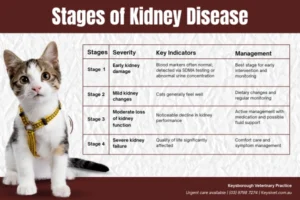
Once a diagnosis is confirmed, vets use the IRIS (International Renal Interest Society) staging system to classify the disease stage. This helps guide treatment decisions and gives you a clearer picture of where your cat is.

The stages of kidney disease in cats are:

  • Stage 1:  Kidney damage is present, but blood markers may still be within normal range. Stage 1 kidney disease is often only picked up through SDMA testing or abnormal urine concentration. This is the best time to catch it.
  • Stage 2:  Mild kidney changes. Many cats at this stage feel reasonably well and can be managed effectively with dietary changes and monitoring.
  • Stage 3:  Moderate loss of kidney function. More active management is needed, including medication and potentially fluid support.
  • Stage 4:  Severe kidney failure. Quality of life is significantly affected, and treatment focuses on comfort and managing symptoms.

The reassuring news: cats with Stage 1 or 2 CKD can often live well for years with the right management in place. The stage of the disease at diagnosis has a big impact on outcomes, which is why early detection and treatment matter so much.

Treatment Options for Cats with Kidney Disease

There’s no cure for chronic kidney failure, but there’s a lot that can be done to slow disease progression and keep your cat comfortable. Cats with CKD can live good-quality lives, sometimes for years after diagnosis, with the right support.

  • Dietary changes

A kidney diet:  low in phosphorus and high in moisture, is one of the most effective tools we have. Reducing phosphorus intake helps protect remaining kidney tissue. Wet food or a renal-specific prescription diet is usually recommended for cats with kidney disease.

  • Hydration support

Keeping cats with CKD well-hydrated is really important. Options include:

  • Encouraging wet food and water intake
  • Subcutaneous fluids (given under the skin at home or at the clinic):  many owners learn to do this themselves with guidance from their vet
  • Intravenous fluids during hospital visits for more severe dehydration
  • Medications

Depending on the stage of the disease and individual needs, medications may include:

  • Blood pressure medication:  to manage high blood pressure and protect the kidneys and eyes
  • Phosphate binders:  to reduce phosphorus absorption from food
  • Anti-nausea medications:  to improve appetite and reduce vomiting
  • Appetite stimulants or gut-protection medications as needed

The treatment plan for cats with chronic kidney disease is tailored to the individual cat. What works well for one cat may not suit another, so ongoing monitoring is key.

Senior Cat Wellness Checks at Keysborough Veterinary Practice:  Early Detection and Intervention for Cats Over the Age of 7

For cats over the age of 7, annual wellness checks that include blood and urine testing are strongly recommended. Cats over 10 years are at significantly higher risk, and for cats over 15, CKD affects more than half of the population. Today’s Veterinary Practice

Many cats with early-stage kidney disease look perfectly healthy on the outside. Routine screening is the only reliable way to catch it before significant kidney function is lost.

At Keysborough Veterinary Practice, we offer senior cat wellness checks that include in-house blood panels, blood pressure measurement, urine testing, and a full physical examination. Running these tests in-house means we can often have results ready on the same day, which means less waiting around for you.

Senior cats with kidney disease aren’t a lost cause. Early diagnosis and treatment give your cat the best possible shot at a long, comfortable life.

If you’re concerned about your cat’s health or they’re due for a senior wellness check, get in touch with the team at Keysborough Veterinary Practice in Keysborough. We’re here to help.

Book a senior wellness check for your cat today:  call KeysVet or book online.

Frequently Asked Questions

 What are the first signs of kidney disease in cats? 

The most common early signs are drinking more water, urinating more often, and gradual weight loss. Many cats also seem quieter or less interested in food. Because these signs can be easy to miss, annual blood and urine testing is the most reliable way to catch kidney disease early.

Can cats live a normal life with CKD? 

Many cats with Stage 1 or 2 CKD do very well for years with the right diet, hydration, and monitoring. Quality of life for cats with well-managed kidney disease can remain excellent:  the key is catching it early and staying on top of regular check-ups.

What causes kidney disease in cats? 

There’s rarely one single cause. Age is the biggest risk factor, but genetics, diet, infections, kidney stones, high blood pressure, and certain medications or toxins can all contribute. In many cases, no specific cause is ever identified.

Is kidney disease in cats painful? 

CKD itself isn’t typically painful, but the symptoms:  nausea, fatigue, poor appetite, can make cats feel quite unwell. With proper management, most cats remain comfortable for a long time after diagnosis.

How often should senior cats have kidney screening? 

For cats aged 7 and over, we recommend annual blood and urine testing. Cats with an existing diagnosis or elevated risk factors may need more frequent monitoring:  your vet will advise on the right schedule for your cat.

Why Is My Cat Losing Weight But Still Eating?

When you notice your cat shedding kilos despite a healthy appetite, it’s natural to feel concerned. Weight loss in cats while they’re still eating normally often signals an underlying health issue that needs attention. Common culprits include diabetes, kidney disease, thyroid problems, and digestive disorders. In Australia, approximately 32% of cats are overweight or obese, making unexpected weight loss particularly noticeable and worrying for cat owners.

Is Weight Loss in Cats Ever Normal?

Not really. While senior cats often experience gradual changes in body composition as they age, noticeable weight loss despite eating is rarely normal. Even if your cat seems otherwise healthy, losing weight while maintaining their usual food intake warrants a veterinary examination.

Some older cats naturally lose a bit of muscle mass, but this shouldn’t result in significant weight changes. If you can suddenly feel your cat’s ribs more prominently or notice their spine protruding, it’s time to book a vet appointment.

Common Causes of Weight Loss Despite Eating

Diabetes in Cats

Feline diabetes is one of the most frequent reasons your cat may be losing weight, even though they’re eating well—or eating more than usual. Research shows that diabetes affects approximately 1 in 100 to 1 in 400 cats, with the prevalence increasing in recent years.

When cats develop diabetes, their bodies can’t properly use glucose from food, leading to weight loss despite increased appetite. Diabetic cats typically show increased thirst and urination alongside their weight changes. The disease is especially common in older cats over seven years of age, with neutered males at particularly high risk.

Chronic Kidney Disease (CKD)

Kidney disease in cats is incredibly common and frequently causes unexplained weight loss. Studies indicate that 20-50% of cats over 10 years old have chronic kidney disease, making it one of the leading health concerns in senior cats.

Chronic kidney disease affects your cat’s ability to filter waste products from their blood. As the kidneys deteriorate, cats often lose their appetite gradually, but early on, they may still eat regularly while losing weight. Other signs include increased drinking, more frequent urination, and general lethargy. Early detection through veterinary check-ups is crucial, as kidney disease progresses slowly and treatment can significantly improve quality of life.

Gastrointestinal Disorders

Inflammatory bowel disease and other digestive problems can cause weight loss in cats even when they’re eating normally. These conditions prevent your cat from properly absorbing nutrients from their food, leading to ongoing weight loss despite adequate calorie intake.

Cats with gastrointestinal disorders might experience vomiting, diarrhoea, or changes in their litter box habits. The inflammation in their digestive tract means they’re not getting the nutrition they need, causing them to lose weight gradually over time.

Intestinal Parasites

While more common in outdoor cats, intestinal parasites can affect indoor and outdoor cats alike. Worms and other parasites literally steal nutrients from your cat’s food, causing weight loss despite normal eating habits.

Regular deworming and faecal checks at your vet can identify and treat these unwelcome guests. Fortunately, intestinal parasites are generally easy to treat once diagnosed.

Dental Disease or Oral Pain

Dental problems are surprisingly common and can make eating painful for your cat. While they might still attempt to eat, dental disease can prevent them from eating enough to maintain a healthy weight. Broken teeth, gingivitis, or oral tumours can all lead to gradual weight loss.

Your vet can perform a thorough oral examination to identify any dental issues causing weight loss. Sometimes, a dental cleaning or tooth extraction can resolve the problem entirely.

Cancer or Other Chronic Disease

Unfortunately, cancer is a possible reason your cat could be experiencing weight loss while still eating. Various cancers, particularly those affecting the digestive system or lymph nodes, can cause your cat to lose weight rapidly despite maintaining their appetite.

Other chronic diseases like hyperthyroidism are particularly common in older cats. Cats often experience increased appetite with hyperthyroidism, but still lose weight because their metabolism is running too fast. This condition affects cats as young as six years old, though it’s more typical in senior populations.

Other Signs to Watch For Alongside Weight Loss

If your cat is eating but losing weight, pay attention to these additional warning signs:

  • Increased thirst and urination (suggesting diabetes or kidney issues)
  • Vomiting or diarrhoea (indicating gastrointestinal problems)
  • Changes in behaviour or energy levels
  • Poor coat condition or excessive grooming
  • Bad breath (often linked to dental disease)
  • Rapid weight loss versus gradual weight loss
  • Sudden weight loss in cats under six months old

These symptoms, combined with unintentional weight loss, help your veterinary team identify the underlying cause more quickly. Weight changes accompanied by other signs typically indicate a more urgent problem requiring immediate attention.

How Vets Diagnose Weight Loss in Cats

Your vet will conduct a comprehensive examination to determine why your cat is losing weight but still eating. This process typically includes:

  • Physical Examination: Your vet will thoroughly examine your cat, checking for signs of dehydration, dental disease, abdominal masses, or enlarged organs. They’ll also assess your cat’s body condition score to quantify the weight loss.
  • Blood Tests: Comprehensive blood work checks kidney function, liver enzymes, blood glucose levels, and thyroid hormones. These tests can identify diabetes, kidney disease, hyperthyroidism, and other metabolic issues causing weight loss despite increased food intake.
  • Urine Analysis: Checking your cat’s urine helps detect kidney problems, diabetes, and urinary tract infections. Cats with kidney disease often produce dilute urine, while diabetic cats show glucose in their urine.
  • Imaging: X-rays or ultrasound scans may be recommended to visualise internal organs, check for tumours, or assess organ size. These tests are particularly valuable when blood work doesn’t reveal the cause of weight loss.
  • Faecal Testing: If intestinal parasites or digestive disorders are suspected, your vet may request a stool sample to check for parasites, bacteria, or other abnormalities.

Taking Action: What You Can Do

If you’re concerned about your cat’s weight loss, here’s what you should do:

  • Monitor and Document: Weigh your cat at home regularly using a bathroom scale (weigh yourself first, then hold your cat and subtract your weight). Keep a record of weight changes, eating habits, and any other symptoms you notice.
  • Schedule a Veterinary Visit: Don’t delay. Even if your cat is still eating, weight loss often indicates illness. Early intervention can prevent conditions from progressing.
  • Adjust Feeding Practices: While waiting for your appointment, ensure your cat has access to fresh water and their usual cat food. Don’t drastically change their diet without veterinary guidance, as this could complicate diagnosis.
  • Consider Your Cat’s Environment: Stress can cause weight loss in cats. If you’ve recently moved house, added a new pet, or made other significant changes, mention this to your vet.

If you’re trying to help your cat gain weight, never force-feed or dramatically increase portion sizes without veterinary approval. Some conditions, like kidney disease, require specific dietary management, and the wrong approach could worsen their health.

Book an appointment with Keysborough Veterinary Practice today if you’ve noticed concerns about your cat’s weight. Our experienced team can help identify the cause and create a treatment plan to help your cat gain weight safely and maintain their ideal weight.

Frequently Asked Questions

Why is my cat skinny but eating normally?
Your cat could have diabetes, hyperthyroidism, intestinal parasites, or a digestive disorder preventing proper nutrient absorption. A vet visit is essential to diagnose the cause.

Should I be worried if my cat is losing weight?
Yes. Weight loss despite eating is never normal and usually indicates an underlying health problem requiring veterinary attention.

Can stress cause weight loss in cats?
Yes, stress and anxiety can lead to weight loss, though stressed cats typically also experience a loss of appetite. If your cat is eating well but losing weight, medical causes are more likely.

How much weight loss is too much for a cat?
Any noticeable weight loss warrants investigation. As a rule, losing more than 5-10% of body weight is significant and requires immediate veterinary care.

Do indoor cats still lose weight due to illness?
Absolutely. Indoor cats are just as susceptible to diabetes, kidney disease, and other conditions causing weight loss as outdoor cats. Regular vet check-ups are essential for all cats.

Common Cat Behaviour Changes That Signal Illness

Cats can be stoic creatures, experts at hiding illness through instinctive survival behaviours. However, subtle changes in behaviour can reveal when your cat may be sick. According to Australian veterinary data, gastrointestinal disease is the most common ailment requiring a visit to an animal hospital in cats, with 69% of Australian cat owners taking their pet to the vet in the last 12 months. Early detection and treatment of illnesses can help maintain your cat’s health and prevent conditions from progressing.

Recognising signs and symptoms that indicate your feline friend may be feeling unwell is crucial for every cat owner. Sick cats often exhibit behaviour changes that others may not notice unless you’re monitoring your cat’s daily routines carefully. From appetite fluctuations to litter box issues, these subtle signs can signal everything from diabetes to kidney disease. Understanding these warning signs helps you determine when your cat is sick and requires immediate veterinary care.

Common Behaviour Changes That May Indicate Illness

Recognising signs of a sick cat early allows veterinarians to diagnose and treat health issues before they lead to more serious complications. Share some of the signs your cat displays with your veterinarian to get a proper evaluation. Here are key behaviour changes every pet owner should monitor.

Hiding or Withdrawing From Family

When your normally social cat suddenly starts hiding under the bed or in cupboards, it could be a sign that something is wrong. Cats instinctively retreat to safe spaces when they’re unwell, a survival behaviour inherited from wild ancestors who needed to avoid predators when vulnerable. If your cat is suddenly spending significantly more time alone or avoiding family interaction, schedule a vet visit promptly. This withdrawal may indicate pain, illness, or emotional distress requiring veterinary assessment.

Pay attention to your cat’s body language during these episodes. A healthy cat typically shows interest in household activities and seeks social interaction. When a cat is feeling unwell, they often choose isolated hiding spots and remains there for extended periods. This behaviour that others may not notice immediately can be one of the earliest indicators that your feline friend may be experiencing health issues.

Changes in Appetite or Thirst

Any shift in your cat’s eating or drinking habits warrants attention during your next check-up. A decreased appetite might signal dental disease in cats, gastrointestinal problems, or kidney disease, while increased thirst could indicate diabetes or hyperthyroidism. Cats with hyperthyroidism often show a sudden increased appetite alongside weight loss, while others may develop diabetes with similar symptoms.

Keep track of your pet’s food and water consumption carefully. If you notice your cat may be drinking excessively or eating significantly less over several days, contact your vet clinic. An average adult cat drinks approximately 3.5-4.5 ounces of water daily; dramatic increases could signal hyperthyroidism or diabetes. Many cat owners overlook these subtle changes, yet they’re often the earliest signs of underlying concerns. Monitoring your cat’s normal eating patterns helps you identify when illness may be developing.

Litter Box Behaviour Changes

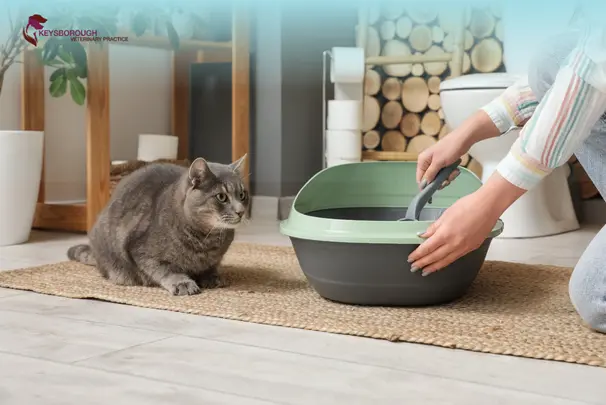
Changes in behaviour related to using the litter box are rarely just behavioural issues; they’re typically medical red flags. Straining to urinate, increased frequency, blood in urine, or avoiding the litter box entirely may be a sign of urinary tract infections, kidney problems, or feline lower urinary tract disease. A urinary tract infection requires immediate veterinary care as it can quickly become life-threatening.

Never dismiss litter box changes as your cat “being difficult.” If your cat is suffering from urinary tract issues, they may cry while attempting to urinate or urinate outside the box. Take your cat to see your veterinarian for a thorough physical examination as soon as possible. Early intervention prevents these conditions from developing into more severe complications requiring emergency treatment.

Increased Aggression or Irritability

A previously gentle cat who suddenly hisses, scratches, or bites when touched may be experiencing pain. Cats often become aggressive when hurting because they’re trying to protect painful areas from contact. This behaviour change can stem from arthritis, dental care issues like periodontal disease, injuries, or internal health problems.

Watch your cat’s body language carefully; flattened ears, dilated pupil responses, or tail lashing indicate distress. Your veterinarian can conduct a comprehensive physical examination to identify the source of discomfort. Dental disease in cats is particularly common and causes significant pain that manifests as irritability. Bad breath in cats often accompanies dental problems, another indicator to discuss with your vet.

Excessive Vocalisation

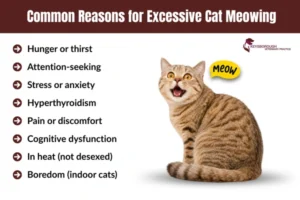
While some cats are naturally chatty, a sudden change in vocalisation patterns may indicate underlying illness. Senior cats, particularly, may vocalise more with conditions like hyperthyroidism, high blood pressure, thyroid problems, or cognitive decline. If your usually quiet cat becomes vocal or your talkative pet goes silent, book an appointment with your local vet.

Changes in communication patterns are your pet’s way of expressing distress. Cats communicate discomfort through increased meowing, yowling, or crying, especially at night. This could also be a sign of disease in cats, such as inflammatory bowel disease or intestinal cancer in advanced cases. Listen to what your cat may be trying to tell you through these vocal changes.

Changes in Grooming Habits

Cats are fastidious groomers under normal circumstances, so any deviation from regular grooming may indicate serious health concerns. A matted, greasy coat might indicate your cat feels too unwell to groom properly, while excessive licking of one area could signal pain, skin problems, or anxiety. Both over-grooming and under-grooming are signs that a cat is feeling ill.

When grooming may be reduced or stopped entirely, this often accompanies other health issues early in their development, making this an important indicator. Healthy cats groom multiple times daily; when your cat is sick, this essential behaviour diminishes. Bad breath, another grooming-related concern, may signal periodontal disease requiring dental care.

Lethargy or Reduced Activity

If your energetic cat suddenly prefers sleeping all day or shows little interest in play, don’t assume they’re just getting older. Reduced activity levels may be a sign of pain, infection, heart disease, or other serious conditions. Your energy level may seem normal to you, but cats age much faster than humans; what appears like normal ageing might actually be a treatable illness.

Many pet owners mistake lethargy for laziness, but persistent tiredness requires veterinary evaluation. Sick cats often sleep in unusual locations and remain motionless for extended periods. This could be a sign of various illnesses, from hyperthyroidism or diabetes to more serious conditions. Monitor whether your cat’s activity returns to normal or continues declining.

When Changes in Behaviour Signal an  Emergency

Understanding when behaviour changes require immediate versus routine care can be confusing. See your veterinarian immediately if your cat shows sudden, severe changes like difficulty breathing, collapse, inability to urinate, persistent vomiting or diarrhoea, seizures, or trauma. These situations may need an emergency animal hospital rather than waiting for regular appointments.

Notice any of these signs, breathing problems, third eyelid visibility, dilated pupil that doesn’t respond to light, or complete loss of appetite, and seek care as soon as possible. Disease in cats can lead to rapid deterioration, particularly when affecting vital organs. Some symptoms listed here represent true emergencies that cannot wait.

Behaviour Changes in Senior Cats to Watch For

As cats age, they need extra attention and more frequent health check-ups. Senior pets may develop age-related conditions manifesting through subtle behaviour shifts. Watch for increased hiding, confusion or disorientation (particularly at night), changes in sleep patterns, decreased grooming, and altered social interactions.

Older cats also show changes in vocalisation, appetite fluctuations, and mobility issues. These aren’t just “normal ageing”, they’re often signs of treatable conditions like arthritis, kidney disease, thyroid problems, or inflammatory bowel disease. Regular vet checks help monitor your senior cat’s overall health and catch emerging issues before they progress. Approximately 15 per cent of cats over age 10 develop some form of kidney disease, making regular screening essential.

How to Tell If Your Cat Needs Veterinary Care

For less urgent but concerning changes, gradual appetite loss, increased thirst, subtle lethargy, minor litter box changes, or mild behaviour shifts, contact your veterinary clinic within 24-48 hours. Don’t wait weeks hoping things improve. Australian pet owners increasingly recognise the importance of prompt care, though 21.5% have reduced routine appointments due to rising costs. However, delaying necessary visits leads to more serious complications.

Annual health check appointments are essential even when your cat seems perfectly fine. These wellness visits allow your vet to perform physical examinations, update vaccinations, conduct dental checks, and screen for common illnesses before symptoms appear. Many health issues show no obvious signs early on; regular checks detect problems when they’re most treatable. Consider pet insurance to help manage unexpected vet bills.

Monitoring Your Cat at Home

Effective monitoring starts with establishing your cat’s normal baseline behaviour. Spend time observing typical eating patterns, activity levels, social interactions, grooming habits, and litter box usage. Keep a simple log if needed; this documentation proves invaluable during vet visits when describing changes.

Create a consistent routine, making deviations easier to spot. Feed at regular times, maintain clean litter boxes, and ensure your pet has quiet rest spaces. Regular interaction helps you identify subtle shifts in personality, mobility, or responsiveness. Take photos or videos of concerning behaviours to show your vet; this visual evidence assists diagnosis and treatment planning.

Common Illnesses Affecting Cats

Understanding common illnesses helps you recognise when symptoms listed require veterinary attention. Hyperthyroidism, an overactive thyroid, affects many senior cats and causes increased appetite, weight loss, and restlessness. Diabetes manifests through increased thirst, frequent urination, and changes in appetite. Kidney disease progresses gradually with symptoms including increased water consumption, weight loss, and lethargy.

Dental disease, particularly periodontal disease, affects over 70 per cent of cats by age three, causing bad breath, difficulty eating, and facial swelling. Urinary tract problems, including urinary tract infection and blockages, create painful elimination attempts and litter box avoidance. Inflammatory bowel disease causes vomiting, diarrhoea, and weight loss. Intestinal cancer, while less common, presents similar gastrointestinal symptoms requiring prompt investigation.

When Cats Usually Hide Illness

Cats usually hide discomfort when they are sick, an evolutionary adaptation that protected vulnerable wild ancestors from predators. This instinct means cats also mask pain, weakness, and illness until conditions become severe. By the time obvious symptoms appear, the disease may have progressed significantly.

This survival mechanism makes proactive monitoring essential. Cats may also show extremely subtle signs initially that only attentive owners notice. Understanding that your cat is suffering despite appearing relatively normal requires knowledge of species-specific behaviours and baseline patterns. Don’t wait for dramatic symptoms; see your vet when you first notice behaviour changes that could indicate illness.

Understanding Your Cat’s Body Language and Subtle Signs

Your cat’s body language provides crucial health information. A healthy cat maintains upright ears, responsive pupils that adjust to light, a relaxed posture, and engaged expressions. When sick, subtle signs emerge: flattened ears, consistently dilated pupil despite bright light, hunched posture, squinted eyes, or visible third eyelid covering part of the eye.

These subtle changes in behaviour that others may miss often appear before obvious illness signs. Cats communicate primarily through body language rather than vocalisation, making visual observation critical. Changes in tail position, whisker orientation, and overall posture all signal emotional and physical states.

Preventative Care for Your Cat

Schedule regular health check-ups even when everything seems fine. Preventative care through annual examinations (or more frequent visits for older cats or those with existing conditions) catches problems before they become emergencies. During check-ups, discuss any minor changes you’ve noticed, no matter how insignificant they seem.

Keep your pet’s vaccination schedule current, maintain proper dental care routines, and follow your veterinarian’s recommendations for parasite control and nutrition. These preventive measures, combined with vigilant monitoring, give your cat the best chance at lifelong wellness. Treatment of illnesses can help to prevent conditions from progressing when caught early.

Take Action for Your Pet’s Health

Don’t wait until behaviour changes become severe. At Keysborough Veterinary Practice, we understand the unique bond between pet owners and their feline companions. Our experienced team provides comprehensive health checks, from routine wellness examinations to specialised care for complex conditions. We support you in maintaining your cat’s health through every life stage.

Book an appointment today for a thorough health check. Whether you need routine annual check-ups, vaccination updates, dental health assessment, or evaluation of concerning behaviour changes, we offer compassionate, expert veterinary care tailored to your needs. Discover how often to take your pet for check-ups and establish a preventative care plan. Call us now or visit our website to schedule your visit. Your cat’s health is our priority.

Frequently Asked Questions

Are behaviour changes normal in cats?
Minor, temporary shifts can be normal, but persistent or sudden changes usually indicate stress or illness. Symptoms that indicate your feline friend may be unwell require veterinary evaluation. Always have your vet assess concerning behaviours that persist beyond 24-48 hours.

How long should I wait before seeing a vet?
For sudden, severe changes, seek immediate care. For gradual shifts, contact your vet within 24-48 hours. Never wait more than a few days when you suspect your cat may be experiencing health problems.

Can stress cause behaviour changes in cats?
Yes, stress triggers hiding, aggression, and appetite changes. However, illness also causes stress, so examination is essential to rule out medical issues. Signs of illness may overlap with stress responses, making professional assessment necessary.

Why do cats hide when they are sick?
Instinct drives ill cats to hide; their wild ancestors concealed weakness to avoid predators. This survival behaviour makes early detection challenging for pet owners. Understanding this helps explain why indicators that your cat is feeling unwell may be subtle initially.

Should indoor cats still have regular health checks?
Absolutely. Indoor cats need annual health check-ups, vaccinations, dental care, and preventative treatments. Regular vet checks maintain wellness and detect hidden health concerns. Help to prevent conditions from developing by maintaining consistent veterinary care regardless of indoor lifestyle.

Cat Skin Allergies: Causes, Symptoms & Treatment Guide

Itchy Cat? Feline Allergy & Skin Disease: Ask Your Vet

Do you know why your cat scratches constantly, leaving patches of missing fur around the house? 

Feline allergic skin disease affects nearly 20% of cats, making it one of the most common reasons pet owners visit their veterinarian. Your cat’s relentless itching, over-grooming, and skin irritation aren’t just uncomfortable; they’re signs of an underlying allergy that needs attention. 

Understanding what causes these allergic reactions and how to manage them can make a dramatic difference in your cat’s quality of life. This comprehensive guide will help you understand the causes of cat allergies, recognise symptoms early, and discover effective treatment options to bring relief to your itchy pet.

What is Feline Allergic Skin Disease?

Feline allergic skin disease is your cat’s immune system overreacting to substances in their environment, food, or on their skin. Think of it as your cat’s body treating harmless substances like dangerous invaders.

This condition isn’t a single disease. It’s a reaction pattern that cats display when exposed to various allergens. Veterinary professionals now use the term Feline Atopic Syndrome (FASS) to describe this complex group of allergic responses.

When a cat is allergic to something, their immune system releases chemicals that cause inflammation. This leads to the intense pruritus (medical term for itching) that makes your cat miserable. The constant scratching and licking can damage the skin barrier, opening the door for secondary bacterial infections and fungal complications.

Common Signs Your Cat Has Skin Allergies

Recognising allergy symptoms early helps your vet diagnose and treat the problem faster. Here’s what to watch for:

1. Behavioural Changes:

  • Excessive scratching that seems never-ending
  • Over-grooming until bald patches appear
  • Constant licking of the same areas
  • Biting or chewing at their skin
  • Hair pulling with their teeth

2. Physical Symptoms:

  • Miliary dermatitis (small, crusty bumps that feel like millet seeds)
  • Symmetrical hair loss on both sides of the body
  • Red, inflamed patches of skin
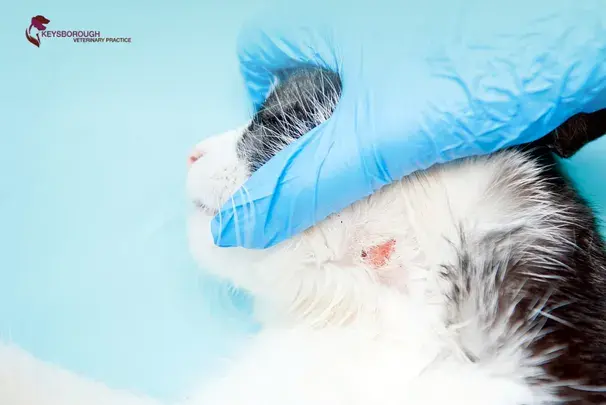
  • Open sores or scabs, especially around the head and neck
  • Skin lesions that won’t heal
  • Areas most affected: base of tail, neck, face, ears, and belly

Many cats with allergies show subtle signs at first. Your cat may groom more frequently than usual. You might notice more hairballs. These early warning signs shouldn’t be ignored.

The 3 Main Types of Cat Skin Allergies

Understanding the type of allergy your cat has is crucial for effective treatment. Let’s explore each one.

1.  Flea Allergy Dermatitis (Most Common Cause of Skin Disease)

Flea allergy is the most common cause of allergic skin disease in cats. When a flea bites a cat, it injects saliva into the skin. Cats with flea allergy are hypersensitive to proteins in flea saliva.

Here’s what makes this allergy so challenging:

  • Just one or two flea bites can trigger severe itching
  • The allergic response lasts for days or weeks
  • Indoor cats can still get fleas from visiting pets or wildlife
  • Symptoms appear mainly at the base of the tail and lower back
  • Year-round flea control is essential, even for indoor cats

At Keysborough Veterinary Practice, we see many cases where owners don’t see fleas on their cat. The cat may be so efficient at grooming that they removes all evidence. This doesn’t mean fleas aren’t the problem.

2. Food Allergies

Food allergies can develop at any age, even if your cat has eaten the same diet for years. The most common food allergens include:

  • Chicken and poultry products
  • Beef
  • Fish and seafood
  • Dairy products
  • Eggs

Cats with food allergies often show:

  • Itching around the face and ears
  • Gastrointestinal symptoms (vomiting or diarrhea)
  • Skin problems that occur all year round

To diagnose a food allergy, your veterinarian will recommend an elimination diet. This food trial must last at least 8-12 weeks. During this time, your cat eats only a special hypoallergenic or novel protein diet. If symptoms improve, you’ve found the culprit.

3.  Environmental Allergies (Atopic Dermatitis)

Atopic dermatitis happens when cats react to airborne allergens. This condition is similar to hay fever in humans, except cats show skin symptoms instead of sneezing.

Common environmental triggers include:

  • Pollen from trees, grass, and weeds
  • House dust and dust mites
  • Mold spores
  • Storage mites in dry food

Some cats have seasonal allergies that flare during spring or fall. Others suffer from allergies all year round, particularly when allergic to indoor allergens like dust mites. Environmental atopy typically causes itching on the face, ears, paws, and belly.

4. Contact Allergies (Rare)

Contact allergies happen when skin touches an irritating substance. These are uncommon in cats but can occur with certain plastics, fabrics, or cleaning products.

Treatment Options for Itchy Cats

Managing allergic skin disease requires a multifaceted approach. The goal is to reduce itching, heal damaged skin, and prevent flare-ups.

1. Immediate Relief for Allergic Dermatitis

When your cat needs quick relief from severe pruritus:

  • Corticosteroids: Prednisolone reduces inflammation fast. These medications provide rapid relief but aren’t ideal for long-term use due to potential side effects.
  • Antihistamines: Some cats respond well to antihistamines, though they’re less effective than in dogs or humans.
  • Treating Secondary Infections: If bacterial or fungal infections are present, your cat needs antibiotic or antifungal medications. Secondary bacterial skin infections are common complications of chronic licking and scratching.

2. Long-Term Management Strategies

Sustainable control of allergic skin disease due to environmental factors requires:

  • Allergen Avoidance: If skin testing identifies specific triggers, minimize exposure. Use HEPA filters, dust-free litter, and keep windows closed during high pollen seasons.
  • Immunotherapy (Allergy Shots): For cats with environmental atopy, allergy shots can retrain the immune system. Custom injections based on intradermal testing results help many cats reduce their allergic response over time.
  • Cyclosporine (Atopica): This immune-modulating medication reduces the allergic response without the side effects of long-term steroids.
  • Essential Fatty Acids: Omega-3 supplements support the skin barrier and have anti-inflammatory properties.
  • Medicated Shampoos: These help remove allergens from the coat and soothe inflamed skin.

3. Diet Management for Food Allergies

If food allergies are diagnosed through a food trial:

  • Continue the hypoallergenic diet that worked during elimination
  • Consider novel protein diets (protein sources your cat hasn’t eaten before)
  • Try hydrolysed protein diets where proteins are broken down into too small pieces to trigger allergies
  • Avoid all treats and table scraps during the trial period

The response to treatment varies by cat. Some improve within days, while others need weeks to show significant progress.

Home Care Tips for Allergic Cats

You can support your cat’s treatment at home:

Strict Flea Control:

  • Use veterinary-recommended flea treatment monthly
  • Treat all pets in the household
  • Vacuum frequently and wash bedding weekly
  • Remember that even indoor cats need flea control

Environmental Management:

  • Install HEPA air filters in main living areas
  • Switch to dust-free, unscented litter
  • Wash your cat’s bedding in hot water weekly
  • Reduce carpet and fabric where allergens collect
  • Keep your cat indoors during high pollen days

Proper Grooming:

  • Groom your cat regularly to remove loose hair and allergens
  • Use only products recommended by your vet
  • Never use over-the-counter products without veterinary approval

When to Seek Immediate Care: Contact Keysborough Veterinary Practice immediately if your cat shows:

  • Rapidly spreading lesions
  • Signs of pain or fever
  • Severe swelling
  • Loss of appetite lasting more than 24 hours
  • Wounds that appear infected

Living with a Cat Who Has Allergies

Managing cats with allergies requires patience and realistic expectations. Here’s what you need to know:

  • Allergies Are Lifelong: There’s no cure for allergic skin disease. Your cat needs ongoing management to stay comfortable.
  • Consistency Is Key: Skipping flea prevention or medications can trigger flare-ups. Stick to the treatment plan your veterinarian recommends.

Timeline for Improvement:

  • Symptom relief: 3-7 days with appropriate medications
  • Full control: 4-8 weeks for most treatments
  • Food trial results: 8-12 weeks minimum

Cost Considerations: 

Treatment costs vary depending on the type of allergy and chosen therapies. Discuss options with your vet to find an approach that fits your budget.

Success Stories: 

With proper diagnosis and treatment, most allergic cats live comfortable, happy lives. Many cat owners report significant improvement once they identify and address the underlying cause.

Prevention: Can Cat Allergies Be Prevented?

Some cats are genetically predisposed to allergies. You can’t change genetics, but you can minimise problems:

  • Start flea control early in your cat’s life
  • Schedule regular check-ups at Keysborough Veterinary Practice
  • Address skin problems promptly before they become chronic
  • Watch for early warning signs like increased grooming
  • Maintain a healthy weight and good nutrition

Certain breeds may be more prone to atopy, though any cat can develop allergies.

Conclusion

Feline allergic skin disease causes significant discomfort, but it’s manageable with the right approach. Whether your cat suffers from flea allergy, food allergies, or environmental atopy, effective treatment options exist to relieve their pruritus and restore their quality of life.

The key steps are: recognise the symptoms early, work with your veterinarian to identify the specific allergen, and commit to a comprehensive treatment plan. Remember that diagnosis of feline allergies takes time and patience. Your cat’s symptoms provide important clues about the underlying cause.

At Keysborough Veterinary Practice, we’re committed to helping cats with skin problems find relief. If your cat shows signs of allergic skin disease, constant scratching, hair loss, or skin lesions, don’t wait. Early intervention prevents complications and gets your itchy cat feeling better faster.

Contact us today for a thorough examination. Together, we’ll develop a personalised treatment plan to help your cat thrive. Your feline friend deserves to be comfortable in their own skin, and we’re here to make that happen.

Frequently Asked Questions

Can cats outgrow their allergies?
No, cats don’t typically outgrow allergies. Allergies occur when the immune system becomes sensitised to specific allergens. Once established, this sensitivity usually persists for life. However, with proper management, symptoms can be controlled effectively. Some cats may experience seasonal variations where symptoms improve during certain times of the year.

Are certain cat breeds more prone to skin disease?
While any cat can develop allergies, some studies suggest that Siamese, Abyssinian, and Devon Rex cats may have higher rates of atopy. However, allergy in cats occurs across all breeds and mixed breeds. Your cat’s individual genetics and environment play larger roles than breed alone.

Can I use over-the-counter medications for my itchy cat?
Never give your cat over-the-counter medications without consulting your veterinarian first. Many human medications are toxic to cats. Even products marketed for pets may not be appropriate for your cat’s specific condition. What works for dogs can be dangerous for cats. Always check with Keysborough Veterinary Practice before starting any new treatment.

How long does it take to see improvement with allergy treatment?
The timeline depends on the treatment type. Steroids provide relief within days, while immunotherapy may take months to show full benefits. Food trials require 8-12 weeks to assess response. For environmental allergens, removing the trigger offers quick improvement if complete avoidance is possible. Your cat may need a combination of approaches for optimal control.

Types of Cat Vomit & What Each Colour Means: A Complete Guide

Cat Vomit Colour Chart: Vet Guide to Types of Vomit & Vomiting in Cats

Have you ever wondered what that puddle on your floor really means for your cat’s health? You’re not alone. Every cat owner faces this messy reality at some point. Understanding the types of cat vomit can help you know when to relax and when to rush to the vet. At Keysborough Veterinary Practice, we believe education comes first. The colour of cat vomit, texture, and frequency all tell a story about what’s happening inside your feline friend’s body. Some cases need immediate veterinary attention, while others just need monitoring at home.

Let’s decode what your cat’s vomit means and help you become confident in caring for your furry companion.

Understanding Vomiting in Cats: The Key Difference

Before diving into the cat vomit colour chart, you need to know something important. Not all episodes are the same. Cats experience two different processes that look similar but mean very different things.

  • Vomiting involves active effort. 

Your cat will hunch over, make retching sounds, and contract their abdominal muscles. The material that comes up has been in the stomach for a while. You’ll notice it’s partially digested and often mixed with stomach acids.

  • Regurgitation happens passively. 

There’s no effort, no warning sounds, just sudden expulsion. The food looks exactly as it went down because it never reached the stomach. This happens right after eating in most cases.

Recording a quick video on your phone helps tremendously. When you visit your veterinarian, this footage provides crucial diagnostic information. The difference between these two processes points to completely different health issues.

Cat Vomit Colour Chart: Decoding What Each Type Means

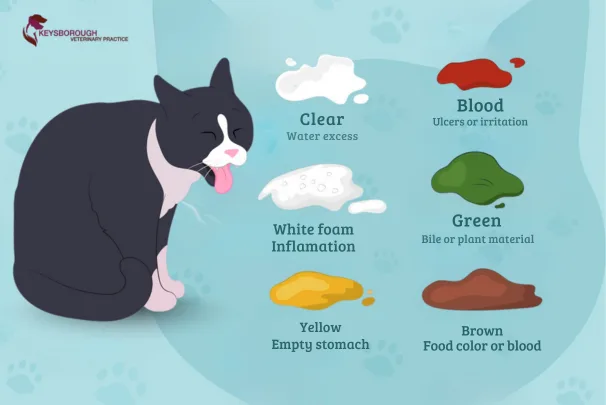
Checking the colour of your cat’s vomit gives you the first clue about what’s wrong. Here’s what each colour tells you about your cat’s health.

1. Clear or White Foam Vomit

This foamy vomit appears when your cat’s stomach is empty. The white foam in cat vomit comes from stomach acid and mucus mixing together. Your cat may vomit in the mornings before breakfast or between meals.

What causes it:

  • An empty stomach for too long
  • Excess stomach acid production
  • Gastric irritation
  • Esophageal issues

Action steps: Feed smaller meals more frequently throughout the day. If this becomes regular vomiting, schedule a check-up with your veterinarian.

2. Yellow Vomit or Yellow Liquid

Yellow liquid means bile is present. Bile comes from the liver and helps digest fats. When your cat is vomiting on an empty stomach, bile is usually the culprit. This happens most often in the early morning hours.

What causes it:

  • Long gaps between meals
  • Bilious vomiting syndrome
  • Liver problems
  • Gallbladder issues

Action steps: Try offering a small snack before bedtime. If your cat continues to vomit bile regularly, contact Keysborough Veterinary Practice for an evaluation.

3. Green Vomit

Throwing up green vomit usually means one of two things. Your cat ate grass or plant material. Alternatively, green colouring comes from bile mixed with stomach contents. Food from the small intestine can also create this colour.

What causes it:

  • Grass consumption
  • Intestinal contents are backing up
  • Bile presence
  • Digestive tract issues

Action steps: If your cat ate grass, monitor them closely. Green vomit without grass eating requires a vet visit to rule out serious problems.

4. Brown Cat Vomit

Brown colouring comes from partially digested food, particularly dry cat food. However, dark brown that looks like coffee grounds signals something more serious. This appearance means digested blood from the upper digestive tract.

What causes it:

  • Digested cat food
  • Internal bleeding
  • Stomach ulcers
  • Intestinal problems

Action steps: Brown vomit from food is less concerning. Coffee-ground texture demands immediate veterinary care.

5. Red or Bloody Vomit (Emergency)

Fresh blood in cat vomit appears bright red. This is always an emergency. Blood indicates active bleeding somewhere in the mouth, esophagus, or stomach. Your cat may vomit blood from various serious conditions.

What causes it:

  • Sharp foreign objects
  • Severe ulcers
  • Trauma to the digestive tract
  • Poisoning
  • Severe infections

Action steps: Rush to the nearest veterinary emergency clinic immediately. Don’t wait. Time matters critically with bloody vomit.

6. Hairball Vomit

Most cat owners recognise hairball vomit easily. You’ll see a cylindrical mass of compacted fur mixed with liquid. The liquid around the hairball can be clear, white, or yellow. Long-haired cats vomit hairballs more frequently than short-haired breeds.

What causes it:

  • Normal grooming behaviour
  • Excessive grooming from stress
  • Skin conditions causing over-grooming
  • Lack of hairball prevention

Action steps: Occasional hairballs are normal. If your cat produces more than one per month, talk to your veterinarian about solutions.

7. Undigested Food Vomit

When your cat is throwing up undigested food, the kibble looks exactly as it did in the bowl. This cat vomit indicates the food never made it to the stomach properly. Your cat ate too fast in many cases. Other times, this signals obstruction or esophageal problems.

What causes it:

  • Eating too quickly
  • Food sensitivities
  • Esophageal disorders
  • Partial blockages

Action steps: Try a slow-feeder bowl. If vomiting undigested food continues despite slower eating, schedule an examination.

8. Worms in Vomit (Requires Vet Visit)

Finding worms in your cat’s vomit is disturbing but common. Roundworms appear as thin, spaghetti-like strands. Heavy parasite loads cause cats to vomit up these unwanted guests.

What causes it:

  • Untreated intestinal parasites
  • Environmental exposure
  • Hunting infected prey

Action steps: Contact Keysborough Veterinary Practice immediately for deworming treatment. All pets in your home need treatment to prevent reinfection.

Acute Vomiting vs. Chronic Vomiting: Understanding the Difference

The timing and pattern of vomiting episodes matter tremendously. Veterinarians classify vomiting into two main categories.

1. Acute Vomiting

Acute vomiting comes on suddenly. Your cat vomits multiple times within hours. This pattern often indicates poisoning, infections, or dietary indiscretion. Acute episodes carry a high risk for dangerous dehydration.

Signs include:

  • Multiple vomit episodes in one day
  • Sudden onset with no prior history
  • Often accompanied by lethargy
  • Loss of appetite

This requires prompt veterinary intervention.

2. Chronic Vomiting

Chronic vomiting develops over weeks. Your cat has been vomiting once every few days for more than three weeks. This pattern suggests an underlying disease rather than an acute illness. Common causes include inflammatory bowel disease, kidney problems, or hyperthyroidism.

Signs include:

  • Persistent pattern over weeks or months
  • Weight loss
  • Decreased appetite
  • Changes in behaviour or energy

Schedule a comprehensive examination for chronic cases.

Common Causes of Vomiting in Cats

Understanding the common causes of cat vomiting helps you prevent future episodes. Some causes are simple fixes, while others need medical management.

1. Dietary Issues

Food-related problems top the list of reasons why cats vomit. Quick changes in diet upset sensitive stomachs. Food allergies trigger repeated episodes. Some cats simply eat too fast and immediately vomit after eating.

Prevention tips:

  • Transition foods gradually over 7-10 days
  • Use slow-feeder bowls for fast eaters
  • Choose high-quality, appropriate cat food
  • Avoid table scraps and human foods

2. Medical Conditions

Numerous health problems cause vomiting. Kidney disease, liver disease, and hyperthyroidism frequently lead to chronic episodes. Inflammatory bowel disease irritates the digestive tract. Pancreatitis causes severe nausea and vomiting.

These conditions need proper diagnosis and ongoing veterinary management.

3. Foreign Objects and Obstructions

Cats are curious creatures. They swallow strings, toys, hair ties, and other dangerous items. These objects can cause partial or complete blockages. String is particularly dangerous because it can sawn through intestines.

Signs your cat may have an obstruction:

  • Vomiting undigested food repeatedly
  • Abdominal pain
  • Lethargy
  • Loss of appetite

4. Toxins and Poisoning

Many household items are toxic to cats. Lilies cause deadly kidney failure. Human medications like ibuprofen are extremely dangerous. Cleaning products, antifreeze, and certain foods (chocolate, onions, garlic) all cause vomiting along with other serious symptoms.

If you suspect poisoning, this is an absolute emergency.

When to Call the Vet.

Knowing when your cat is actually vomiting an emergency versus a minor issue can save their life. Some situations demand immediate action.

1. Immediate Emergency Signs

Rush to veterinary care if you notice your cat is showing any of these symptoms:

  • Blood in your cat’s vomit – Fresh blood or coffee-ground appearance
  • Repeated vomiting – Multiple episodes within a few hours
  • Inability to keep water down – Leads to dangerous dehydration
  • Pain signs – Crying, hunched posture, reluctance to move
  • Lethargy or collapse – Extreme weakness or unconsciousness
  • Difficulty breathing – Rapid breathing or pale gums
  • Known toxin ingestion – Any amount of toxic substance
  • Bloated abdomen – Swollen or painful belly

At Keysborough Veterinary Practice, we’re equipped to handle these emergencies promptly.

2. Schedule a Veterinary Appointment For

These situations aren’t immediately life-threatening but still need professional evaluation:

  • Vomiting continuing for more than 24 hours
  • Vomiting more than once a month
  • Loss of appetite lasting over 12 hours
  • Diarrhea accompanying the vomit
  • Unexplained weight loss
  • Behavioral changes
  • Frequent hairball production

3. Safe to Monitor at Home

Your cat has vomited once but acts completely normal afterwards. They’re eating, drinking, playing, and showing their usual personality. No other symptoms appear. This single episode likely doesn’t need veterinary intervention. Just keep watching your cat closely.

What to Do When Your Cat is Vomiting

Taking the right steps after your cat has vomited helps their recovery and gives your veterinarian useful information.

Immediate actions:

  1. Remove food temporarily – Give their stomach 4-6 hours to settle
  2. Offer small water amounts – One to two teaspoons every 30 minutes or ice cubes to lick
  3. Observe closely – Watch for additional symptoms or worsening
  4. Document everything – Take photos, note frequency, record the time

Reintroducing food:

Start with tiny portions of bland food after the fasting period. Boiled chicken or plain white rice works well. Gradually return to their regular diet over 24-48 hours. This gentle approach prevents triggering more vomiting.

What to avoid:

  • Never give human medications (many are fatal to cats)
  • Don’t withhold water for extended periods
  • Don’t force food or water
  • Don’t assume occasional vomiting is always normal

Preventing Future Vomiting Episodes

Prevention saves both you and your cat from repeated vomit cleanup sessions. These strategies reduce vomiting frequency significantly.

1. Diet Management

Feed smaller, more frequent meals throughout the day. This prevents bile buildup from empty stomachs. Use puzzle feeders or slow-feeder bowls for cats who gulp their food. Always transition between foods gradually over a full week.

2. Hairball Prevention

Regular brushing removes loose fur before your cat swallows it. This simple step dramatically reduces hairball frequency. Consider hairball-control formulas in your cat food. Adequate hydration also helps hair pass through the digestive system smoothly.

3. Environmental Safety

Remove toxic plants from your home entirely. Lilies, poinsettias, and many others poison cats. Secure all medications and cleaning chemicals in locked cabinets. Cat-proof your space by eliminating access to strings, rubber bands, and small toys.

4. Regular Veterinary Care

Annual check-ups catch problems before they become serious. Your veterinarian can detect early signs of kidney disease, hyperthyroidism, or other conditions that cause vomiting. Stay current on parasite prevention. Monitor your cat’s weight and eating habits closely.

Final Thoughts

You know your cat better than anyone. When something feels wrong, trust that instinct. The cat vomit indicates many different conditions, from harmless to life-threatening. Understanding what different types of cat vomit mean empowers you to make informed decisions about your cat’s health.

Remember that while occasional vomiting happens, it’s never truly “normal.” Your cat’s body is telling you something. Paying attention to patterns, colours, and accompanying symptoms helps you catch problems early. Early intervention leads to better outcomes and often simpler, less expensive treatment.

If you notice your cat vomiting more than usual or you’re concerned about any aspect of their health, contact Keysborough Veterinary Practice today. Our experienced team is here to help your feline companion feel better quickly. Your cat’s health and comfort are our top priorities.

Don’t hesitate to reach out. When it comes to your cat’s well-being, it’s always better to be safe and get professional advice. We’re here to support you every step of the way.

Frequently Asked Questions

How often is too often for a cat to vomit?
More than once a month warrants a veterinary consultation. While many cat owners think vomiting is normal, frequent episodes always indicate an underlying problem that needs addressing.

Is it normal for cats to throw up hairballs regularly?
Occasional hairballs happen, but frequent production (more than once monthly) suggests excessive grooming or digestive issues. Consult your veterinarian about prevention strategies.

Should I take my cat to the emergency vet for vomiting?
Yes, if your cat vomits blood, has multiple episodes within hours, shows lethargy, or you know they ingested something toxic. These situations need immediate emergency care.

Can I give my cat anything for vomiting at home?
No over-the-counter medications are safe for cats without veterinary guidance. Many human medications are toxic to cats. Always call Keysborough Veterinary Practice before giving any medication.

What does it mean if my cat is vomiting clear liquid?
Vomiting clear liquid typically indicates an empty stomach with excess stomach acid. Try feeding smaller, more frequent meals. If it continues, schedule a veterinary examination.

What’s the difference between a cat throwing up versus coughing up a hairball?
Hairballs are cylindrical with visible, compacted fur. The cat vomit that accompanies hairballs is usually minimal liquid. Regular vomit contains more liquid, food, or bile with various colours.

Why is my cat vomiting but acting normal?
Some cats vomit occasionally without other symptoms. This might be from eating too fast, minor dietary indiscretion, or hairballs. However, if the vomit contains blood, appears frequently, or your cat eventually shows other signs, don’t delay getting help.

Cats & Ribbons

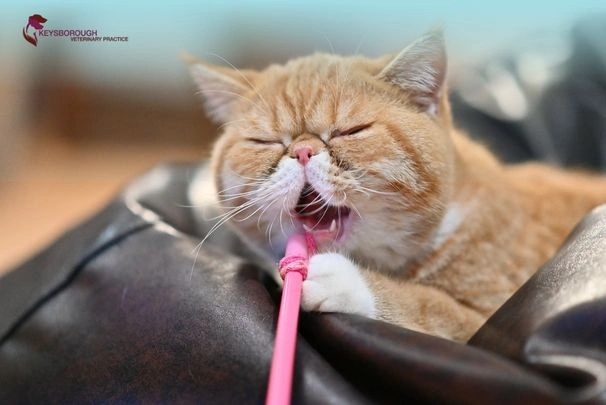
A pile of glistening, shiny Christmas presents sitting under the twinkling lights of the Christmas tree are charming, heartwarming… and apparently delicious to many unwise cats at this time of year!

Many cats are tempted by long, curly, shiny ribbons and will play with them. A few of those will chew and swallow ribbon or string, resulting in a potentially devastating linear foreign body in the intestine!

A linear foreign body is worse than a rounded foreign body, as it will often thread through the intestines, causing the gut to bunch up around it, like pulling a drawstring through the edge of a pair of pants. The ribbon may then cut through the intestine, and often requires multiple surgical incisions to remove safely.

Symptoms of a linear foreign body include: vomiting, not wanting to eat, lethargy, and generally being severely unwell.

Ribbon, tinsel, string and similar shaped objects can all become linear foreign bodies if eaten. Using broader, thicker ribbon means it is less likely to be eaten by your curious cat, but some cats are simply too tempted to be around ribbon at all.

Local FIV prevalence

Does your cat go outside, at all? Do they have up to date FIV protection?

Feline Immunodeficiency Virus, the pathogen that causes Feline AIDS, is a relatively common virus of cats, with up to 20% of stray cats in Victoria being infected. It is commonly transmitted by cat bites, so any cat which ventures outside, at all, is at risk of contracting this virus.

While the best protection against FIV is keeping your cat inside, vaccination is available for cats who do venture outside. A simple blood test can be performed in our clinic to determine whether your cat may have already been infected. Please phone us for more information or to schedule an appointment.