
Common Dog Illnesses in keysborough, AU & How to Spot Them Early

Common dog diseases in keysborough, AU include skin allergies, ear infections, dental disease, and parasitic infections from ticks, fleas, and heartworms. Early detection is key; watch for changes in behaviour, lethargy, vomiting, diarrhoea, or loss of appetite. Skin conditions were the leading reason dogs visited the vet in 2024, followed by gastrointestinal issues and ear infections. According to University of Queensland research, around 10% of vet visits in eastern keysborough, AU from 2021 to 2023 were for tick paralysis, with 1 in 10 of those pets sadly dying from the toxin. Regular vet check-ups and keeping your dog’s vaccination up to date can prevent many serious diseases and help your furry companion live healthy lives.

Most Common Dog Diseases and Illnesses in keysborough, AU

keysborough pet owners need to be aware of health problems that commonly affect dogs. Understanding these common diseases in dogs helps with early detection and prevention, giving every dog the best chance at a long, happy life.

Skin Allergies & Dermatitis

Skin conditions top the list as one of the most common health issues affecting keysborough dogs. Environmental allergens, food sensitivities, and flea and tick bites can all trigger allergic reactions. Your dog may show signs like excessive scratching, red or inflamed skin, hair loss, or hot spots. Contact with infected animals or contaminated environments can spread certain skin infections that require immediate veterinary care.

Ear Infections

Ear infections are incredibly common health problems for dogs, especially those with floppy ears that trap moisture. Bacteria, yeast, or parasites can cause painful ear inflammation. Common symptoms include head shaking, scratching at ears, redness, discharge, or an unpleasant odour. Left untreated, ear infections can lead to serious complications including hearing loss.

Dental Disease

keysborough vets report that four out of five dogs over age three have some level of dental disease. This common health problem starts with plaque buildup and can progress to painful gum infection, tooth loss, and bacteria entering the bloodstream. Heart disease, kidney and liver problems can result when dental issues are left untreated. Regular dental care and a balanced diet help keep your dog’s teeth healthy.

Gastrointestinal Problems

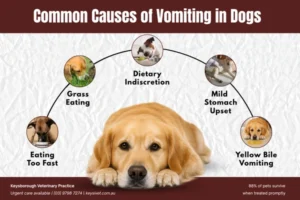
Vomiting and diarrhoea are common signs your dog’s digestive system is upset. Causes range from dietary indiscretion to serious diseases like parvovirus. Canine parvovirus is highly contagious and potentially deadly, particularly for unvaccinated puppies. The infection spreads through contact with infected dogs or contaminated faeces, causing severe vomiting, bloody diarrhoea, and lethargy. Immediate veterinary care is essential as this life-threatening illness can quickly lead to dehydration and death.

Arthritis & Joint Disease

Joint problems commonly affect dogs as they age, though certain breeds are more susceptible. Senior dogs often develop arthritis causing pain, stiffness, and difficulty moving. Early diagnosis and a treatment plan including pain management, controlled exercise, and maintaining a healthy weight can significantly improve quality of life.

Parasites (Fleas, Ticks & Worms)

Parasites are among the most common and preventable diseases affecting keysborough dogs. Fleas cause itching, skin irritation, and can transmit other parasitic infections. The paralysis tick and the brown dog tick are found along keysborough’s eastern seaboard. Tick paralysis affects thousands of pets annually, with research showing 4,000 to 5,000 vet visits in eastern keysborough are tick-related each season. Paralysis ticks inject a neurotoxin, causing weakness, paralysis, and potentially death if not removed promptly. Heartworm disease is transmitted by mosquitoes and affects the heart and lungs. This parasitic infection is life-threatening but preventable with regular medication. Internal parasites like worms also pose health risks, particularly for puppies.

Heart Disease

Heart conditions can affect dogs of any age, though they’re more common in older pets. Warning signs include coughing, difficulty breathing, lethargy, and exercise intolerance. Regular vet check-ups help detect heart problems early, when treatment can make the biggest difference.

Subtle Signs Your Dog May Be Unwell

Recognising early warning signs can help you protect your dog from serious illness. Watch for these common symptoms:

  • Changes in behaviour: Your normally playful pup is becoming withdrawn or irritable
  • Lethargy: Unusual tiredness or lack of interest in activities
  • Appetite changes: Loss of appetite or a sudden increase in eating
  • Coughing or respiratory issues: Persistent cough, wheezing, or laboured breathing may indicate respiratory infections like kennel cough or more serious conditions
  • Digestive upset: Vomiting, diarrhoea, or changes in toilet habits
  • Mobility issues: Limping, stiffness, or reluctance to move

A dog may hide illness instinctively, so pet owners should trust their intuition. If something seems off, it probably is. Early detection and management of health issues can significantly improve outcomes. Early intervention can significantly improve your dog’s prognosis and quality of life.

When Should You Take Your Dog to the Vet?

Knowing when to seek veterinary attention can be the difference between a treatable illness and a serious medical emergency. Contact your vet immediately if your furry friend shows any of these warning signs:

  • Difficulty breathing or persistent cough
  • Seizures or paralysis
  • Severe vomiting or diarrhoea, especially with blood
  • Signs of poisoning or toxic ingestion
  • Collapse or extreme weakness
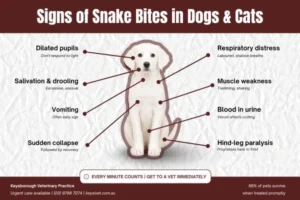
  • Suspected tick bite or visible tick attached
  • High fever or extreme lethargy
  • Refusal to eat or drink for more than 24 hours
  • Sudden behaviour changes or signs of pain

For highly contagious respiratory illnesses or diseases like distemper and canine parvovirus, seek immediate veterinary care. These preventable diseases can be life-threatening without prompt treatment. Dog owners should never wait to see if symptoms improve on their own when it comes to potentially serious conditions.

Prevention remains the best medicine. Keep your dog up to date with vaccination to protect against preventable diseases. Regular vet check-ups, typically annually for healthy adult dogs and more frequently for puppies and senior dogs, help catch issues early. Avoid contact with infected animals and high-risk environments like dog parks or dog shows when disease outbreaks occur in your area.

Protect Your Dog: Prevention is Key

Ready to give your furry mate the best care? At Keysborough Veterinary Practice, we’re committed to keeping pets healthy through comprehensive preventive care. Don’t wait for common signs of illness to appear, schedule your dog’s wellness check today. Our experienced vets provide diagnosis and treatment plans tailored to your dog’s needs, from puppy vaccinations to senior care. We’re here to help you spot health issues early and ensure your dog lives a long, healthy life. 

Contact us now to book an appointment and give your dog the expert care they deserve.

Frequently Asked Questions

What are the most common dog diseases in keysborough?
The most common diseases include skin allergies, ear infections, dental disease, gastrointestinal problems, arthritis, and parasitic infections from fleas, ticks, and heartworms. Highly contagious respiratory conditions like kennel cough and potentially deadly diseases such as parvovirus also affect dogs across keysborough.

How can I tell if my dog is sick?
Watch for changes in behaviour, lethargy, loss of appetite, vomiting, diarrhoea, coughing, difficulty breathing, or excessive scratching. Your new dog or puppy may show subtle signs like reduced playfulness or hiding. Trust your instincts, if your dog seems unwell, seek veterinary attention.

When should I worry about my dog’s symptoms?
See a vet immediately for severe symptoms like difficulty breathing, seizures, paralysis, bloody vomiting or diarrhoea, collapse, suspected tick bites, or signs of highly contagious and potentially deadly infections. Any symptoms lasting more than 24 hours warrant a vet visit.

How often should dogs have a vet check-up?
Healthy adult dogs should see a vet at least annually. Puppies need more frequent visits for vaccination and monitoring, while senior dogs benefit from check-ups every six months. Dogs with chronic conditions may require more regular appointments based on their diagnosis and treatment plan.

Can early treatment really prevent serious illness?
Absolutely. Early detection and prevention through regular vet visits, proper vaccination, and preventive parasite control can stop many illnesses and conditions before they become serious. Early diagnosis and treatment of common diseases in dogs significantly improves outcomes and can prevent life-threatening complications. What starts as a minor infection can become a serious disease if not addressed promptly.

Chronic Cough in Dogs: Why It Won’t Stop and What to Do About It

Dog Coughing: Causes, When to See a Vet, and Care Tips

Do you know why your dog has been coughing for weeks with no sign of improvement? 

A persistent cough in your beloved pet can be distressing. It’s confusing, too. This comprehensive guide will help you understand the common causes of coughing in dogs. You’ll learn to recognise warning signs. You’ll know when it’s time to contact your vet. We believe in educating pet owners first. 

Understanding your dog’s health empowers you. It helps you make the best decisions for their well-being. A chronic cough isn’t just an annoyance. It’s often a sign of an underlying health issue that requires veterinary attention. Many dogs experience occasional coughs. But when a cough persists for more than a few weeks, it demands investigation. 

Let’s explore the reasons your dog may be coughing. We’ll show you what steps you can take to help them breathe easier.

What Makes a Cough “Chronic”?

A cough becomes chronic when your dog is coughing most days for two months or longer. This persistent cough differs significantly from the occasional cough dogs might have after drinking water too quickly or getting excited. Understanding the type of cough your pet experiences helps your vet diagnose the underlying problem more effectively.

Common types of coughs include:

  • Honking cough: Sounds like a goose honk and often indicates tracheal issues
  • Hacking cough: Dry, harsh sound that may suggest airway irritation
  • Wet or productive cough: Brings up mucus or fluid from the respiratory tract
  • Gagging cough: Appears as if something is stuck in their throat

The timing of the cough matters too. Does your dog cough more at night? After exercise? When excited? These patterns provide valuable clues about the cause of coughing in dogs.

Common Causes of Chronic Cough in Dogs

1. Chronic Bronchitis

Chronic bronchitis ranks among the most common reasons your dog develops a persistent cough. This condition occurs when the airways become inflamed over time, leading to constant irritation. The inflammation causes the airway lining to thicken and produce excess mucus.

Key characteristics of chronic bronchitis:

  • Most common in older dogs (typically middle-aged to senior)
  • Creates a dry, hacking cough that worsens over time
  • Often triggered by environmental irritants like cigarette smoke or dust
  • Can cause dogs to cough more frequently during activity or excitement
  • May lead to exercise intolerance and fatigue

At Keysborough Veterinary Practice, we see many cases of chronic bronchitis in older dogs. This condition cannot be cured but can be managed with proper veterinary care. Dogs with chronic bronchitis need ongoing treatment to reduce airway inflammation and improve their quality of life.

2. Tracheal Collapse

Tracheal collapse happens when the rings of cartilage in the trachea weaken and flatten. This creates a narrowed airway that makes breathing difficult. Small dogs face a higher risk, with breeds like Yorkshire Terriers, Pomeranians, and Chihuahuas particularly vulnerable.

Signs of tracheal collapse:

  • A distinctive honking cough that sounds like a goose honk
  • Cough worsens with pressure on the neck (from collars)
  • Respiratory distress during exercise or heat
  • Gagging when eating or drinking
  • Blue-tinged gums in severe cases

Using a harness instead of a collar significantly reduces pressure on the trachea and helps minimise coughing episodes. This simple change can make your dog more comfortable and prevent the condition from worsening.

3. Heart Disease

Heart disease in dogs often causes coughing that many owners don’t expect. As the heart enlarges or functions poorly, fluid can back up into the lungs. This leads to coughing, especially when the dog lies down or during nighttime rest.

Warning signs of heart-related cough:

  • Cough occurs mainly at night or when resting
  • Accompanied by rapid breathing or difficulty breathing
  • Loss of energy and reduced exercise tolerance
  • Coughing, as well as symptoms like fainting or collapse
  • Blue tongue or gums indicate poor oxygen circulation

Congestive heart failure requires immediate veterinary attention. Heart disease in dogs progresses over time, so early diagnosis and appropriate treatment can extend your pet’s life significantly.

4. Kennel Cough

Kennel cough typically resolves within a few weeks, but it can become a persistent cough in some cases. This highly contagious respiratory infection spreads quickly in places where many dogs gather, like boarding facilities, dog parks, or grooming salons.

Kennel cough characteristics:

  • Strong, forceful cough that may sound like honking
  • Often caused by a combination of viral infections and bacterial agents
  • May produce a honk sound during coughing fits
  • Can develop into pneumonia if left untreated
  • Most dogs recover with supportive care, though some need antibiotic treatment

The common infectious cause of coughing spreads through airborne droplets when dogs bark, sneeze, or cough. Vaccination helps prevent severe cases, though it doesn’t eliminate all risk.

5. Environmental Allergies and Irritants

Allergy-related coughing develops when dogs repeatedly inhale irritants that inflame their airways. Common triggers include pollen, dust mites, mould spores, and chemical fumes. Some dogs react to specific irritants while others have multiple sensitivities.

Common environmental irritants:

  • Household cleaning products and air fresheners
  • Smoke from cigarettes, candles, or fireplaces
  • Perfumes and scented sprays
  • Dust and pollen during seasonal changes
  • Mould and mildew in damp environments

Reducing exposure to these irritants helps minimise airway inflammation. Many dogs show improvement once owners identify and remove the specific irritant triggering their symptoms.

6. Other Serious Causes That Require Attention

Several other conditions can cause dogs to cough chronically. Heartworm disease damages the heart and lungs, creating persistent respiratory symptoms. Pneumonia, both bacterial and fungal types, causes severe coughing along with fever and lethargy. Lung tumours may develop in older dogs, leading to progressive respiratory distress.

Each of these conditions requires specific treatment based on accurate diagnosis. Delaying veterinary care allows these problems to worsen and become harder to manage.

Warning Signs: When to See a Vet Immediately

Some symptoms indicate your dog needs urgent veterinary care. Take your dog to the vet right away if you notice:

  • Difficulty breathing or laboured, rapid breathing
  • Blue or pale gums indicate oxygen deprivation
  • Coughing up blood or bloody mucus
  • Extreme lethargy or weakness
  • Refusing food for more than 24 hours
  • Collapsing or fainting during activity
  • High fever above 103°F

Even if your dog shows milder symptoms, any cough that persists beyond two weeks deserves professional evaluation. Early intervention often prevents complications and improves treatment outcomes.

Treatment Options for Chronic Cough

Treatment depends entirely on the underlying cause of your dog’s cough. No single approach works for every case, which is why proper diagnosis is so important.

Medical management options include:

  • Anti-inflammatory medications to reduce airway swelling and irritation
  • Bronchodilators that open narrowed airways and improve breathing
  • Antibiotics for bacterial respiratory infections
  • Cough suppressants (used selectively, as coughing sometimes serves a protective function)
  • Heart medications for dogs with cardiac disease
  • Weight management programs for overweight dogs

At Keysborough Veterinary Practice, we develop a treatment plan tailored to each patient. Dogs with chronic bronchitis typically need long-term anti-inflammatory therapy. Those with tracheal collapse benefit from weight control and environmental modifications. Heart disease requires specific cardiac medications to improve heart function and reduce fluid buildup.

Home care strategies that help:

  • Keep your dog at a healthy weight to reduce respiratory strain
  • Use humidifiers to add moisture to dry air
  • Eliminate smoke and strong chemical odours from your home
  • Switch from neck collars to harnesses
  • Provide calm, stress-free environments
  • Ensure good hydration to thin respiratory secretions

These supportive measures work alongside veterinary treatment to give your dog the best possible outcome.

Conclusion

Wondering why your dog continues coughing despite your best efforts? Don’t wait for the cough to resolve on its own. A dog is coughing persistently for a reason, and that reason deserves investigation. At Keysborough Veterinary Practice, we’re committed to finding the cause of your dog’s cough and developing effective solutions.

Chronic cough is the most common respiratory complaint we see in dogs. While the causes vary widely, nearly all respond to appropriate treatment when diagnosed correctly. Your dog may be coughing due to something easily managed, or they might have a condition requiring ongoing care. Either way, early intervention leads to better outcomes.

Talk to your vet about any cough lasting longer than two weeks. Schedule an appointment with Keysborough Veterinary Practice today. Together, we’ll identify what’s causing your dog’s respiratory distress and create a plan to help them breathe comfortably again. Your dog deserves relief, and we’re here to provide it.

Frequently Asked Questions

Why does my dog cough more at night?
Dogs often cough more when lying down because fluid accumulates in the lungs more easily in this position. Heart disease commonly causes nighttime coughing. The horizontal position also allows post-nasal drip to trigger cough reflexes. If nighttime coughing disrupts sleep, seek veterinary care promptly.

Can kennel cough become chronic?
Most cases of kennel cough resolve within 2-3 weeks. However, some dogs develop secondary bacterial infections that lead to persistent symptoms. Older dogs or those with weakened immune systems face a higher risk of complications. If your dog’s kennel cough doesn’t improve after three weeks, visit your vet for evaluation.

What’s the difference between coughing and reverse sneezing?
Reverse sneezing looks dramatic, but differs from coughing. During reverse sneezing, dogs rapidly pull air inward through the nose, creating a loud snorting sound. The dog is trying to clear the nasal passages, not the airway. True coughing involves forceful expulsion of air from the lungs. Both can occur together in some respiratory conditions.

How do I know if my dog is coughing due to allergies?
Allergy-related coughing usually follows seasonal patterns or exposure to specific triggers. The cough may improve when you remove certain irritants or when allergy seasons end. Other allergy symptoms often appear alongside the cough, including itchy skin, watery eyes, or sneezing. Your vet can help determine if allergies are the cause of your dog’s cough.

Is chronic cough in dogs treatable?
Many causes of chronic cough can be managed successfully, though a complete cure isn’t always possible. Chronic bronchitis requires lifelong management but responds well to treatment. Tracheal collapse improves with weight control and lifestyle changes. Heart disease needs ongoing medication, but it can be controlled for months or years. The key is getting a proper diagnosis and following your treatment plan consistently.

Dog Arthritis: Symptoms, Treatments & How to Help Your Pet

Pets are family. They offer us love, companionship and affection. That’s why we, as pet owners, should be responsible and ensure they live the best version of their lives.

One common health issue for pets is arthritis.

Arthritis does not only affect humans, they it can also be seen in our pets such as cats and dogs. It is a disease that causes inflammation in joints and many pet owners are not aware of this disease that attacks our fur babies. Approximately 40% of animals are affected by this disease. Often, arthritis is worse during the cold weather. Therefore, it is crucial to observe their behavior during this time of the season. Arthritis can be caused by joint wear-and-tear or may be a result of an injury.

Common Dog Arthritis Symptoms to Watch For

Sometimes, it’s difficult for us to determine if our pets are suffering from arthritis since they cannot speak and tell us what they feel.

Cats in particular are used to hiding their pain. However, through keen observation, we can determine arthritis in cats. You might notice that your cat doesn’t jump as often as they normally do or hesitate when leaping from one side to the other. A general decrease in activity level is a red flag too.

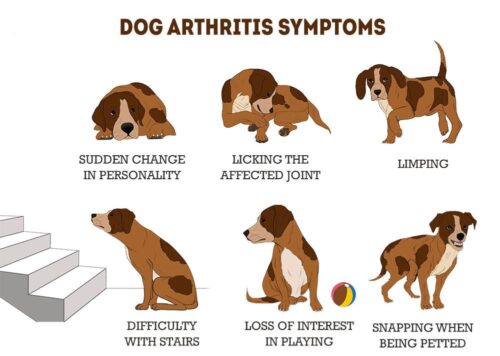
For arthritis in dogs, you may observe how they’ve slowed down in their movements or notice soreness after physical activity. Difficulty in climbing elevated platforms or getting up from a lying position may be a sign that they have joint pain and further, arthritis.

Both cats and dogs may show reduced energy when interacting with you.

If you observe these signs in your pets, it would be best to consult your veterinarian to run some checkups.

Dog Arthritis Treatments: Medical Options

The good news is there are now plenty of treatments for pet arthritis. Veterinarians have done several studies and came up with treatment plans to ease the pain and address other symptoms.

Beransa (dogs) and Solensia (cats) are new medications which have shown very good results in reducing pain associated with arthritis for many dogs and cats. As with all medications not all animals are suitable candidates for Beransa or Solensia (dogs and cats under 12 months, pregnant, breeding or lactating bitches/queens for example should not be given this medication), and in some instances other medications may need to be used in combination with Beransa or Solensia. Despite this, many dogs and cats have shown a huge improvement in quality of life following Beransa or Solensia administration.

Beransa and Solensia are once a month injections administered by the veterinarian, which target Nerve Growth Factor (NGF), one of the proteins involved in perception of pain in arthritic dogs and cats. NGF has also been shown to increase inflammation in arthritic joints, and lead to progression of the disease, so reducing the levels of this protein with Beransa or Solensia has been shown to reduce inflammation in the affected joints, and slow progression of the disease as well as treating the symptoms. As Beransa and Solensia are monoclonal antibodies they are broken down like any other protein in the body rather than having to be metabolized & excreted. This means there are less side effects associated with this type of medication, and they are safe to use in dogs and cats with liver and early kidney issues, which is particularly beneficial in older animals who are more likely to have both arthritis and other concurrent disease.

If your pet is experiencing arthritis-related symptoms, consult with your veterinarian to determine the most suitable treatment option. Your veterinarian will consider your pet’s age, size, breed, overall health, severity of arthritis and other factors for them to recommend what is suitable – every situation is unique.

There are also other treatment plans for arthritis aside from monthly injections. There are oral medication, joint supplements, physiotherapy, weight management and lifestyle modifications.

These can be combined to create a more personalised treatment plan for your pet’s arthritis case.

 When to See a Vet for Arthritis Symptoms

If you think your pet is suffering from arthritis, you need to schedule a visit to your veterinarian ASAP.

Clinical evaluation is a must to prevent pet arthritis from getting worse and for your vet to be able to make the appropriate treatment plan for your fur baby. The veterinarian will conduct various exams such as assessing your pet’s medical history, physical examination, and recommend additional tests like X-rays to assess joint health.

You must also share the things you’ve noticed about your cat or dog once you arrive at the veterinary clinic. Through this, the veterinarian can easily assess what treatment plan may suit them best. So, if you start to notice symptoms, try to write them down or remember them so you can communicate them to your vet during your pet’s checkup.

Keysborough Veterinary Practice has been trusted by pet owners since 1988. Their amazing team of vets, nurses, and receptionists are committed to helping your pets live their best lives!

Home Care For Pets With Arthritis

Though veterinary treatments are important, there are several things you can start doing at home to help alleviate your pet’s discomfort.

You can provide your pet with a soft and supportive bed or cushioned bedding to ease pressure on their joints. Regular low-impact exercise, such as gentle walks or swimming, can help maintain their mobility and muscle strength. Additionally, managing your pet’s weight through a balanced diet and portion control can reduce the stress on their joints. Consider incorporating joint supplements recommended by your veterinarian into their daily routine to promote joint health.

Making sure they have a warm and comfortable environment, especially during colder months, can help soothe their achy joints. And lastly, be observant of any changes in their behavior or mobility. Though there are things you can do from home that would help, it’s always best to consult with your veterinarian so they can confirm what’s really going on and provide a treatment plan accordingly.

All About Consistency: Monitoring And Adjusting Treatment

Management of pet arthritis, a chronic ailment, requires continuous care and attention. This includes monitoring and modifying treatment. The effectiveness of your pet’s medicine and treatment plan depends on how consistent you are with providing the care they need and also on how frequently you take your pet to the vet. During these visits, the vet can analyse your pet’s health and gauge how effectively the present course of therapy is working.

Your pet will be thoroughly examined by your veterinarian during these visits, and they will pay particular attention to assessing your pet’s mobility, joint function, and general level of comfort. They may also ask for more diagnostic procedures, such as X-rays to learn more about the severity of the arthritis and any probable underlying conditions that might be causing it, or blood testing, to check for underlying disease which may affect treatment choices. The veterinarian can ascertain whether any adjustments are required to better manage your pet’s symptoms and enhance their quality of life by carefully observing how they respond to their present treatment plan.

The Earlier You Find Out About Your Pet’s Condition, The Better

Finding out about pet arthritis in its early stage is very important. Remember, your pets don’t openly show their discomfort, that’s why early intervention is necessary to ease the pain and to slow disease progression.

Pet arthritis can cause your pets decreased mobility and constant pain and discomfort. We need to be observant in their everyday actions, habits, and movements to be able to point out if they are in pain, suffering from an illness, or if they are simply perfectly fine. It’s up to us as pet owners to be able to observe the symptoms early on. By working closely with your veterinarian, you can help them to assess your pet’s condition for them to give your pet proper treatment or medication. Ensuring that their wellbeing is always observed and taken cared of will give our pets a long and happy life. If you observe any of the symptoms, we discussed in this article, click here to contact us for a consult!

Mitral Valve Disease

Mitral Valve disease is the most common type of heart disease in small dogs and is especially common in the Cavalier King Charles Spaniel, Toy and Miniature Poodle, Maltese Terrier and Chihuahua.

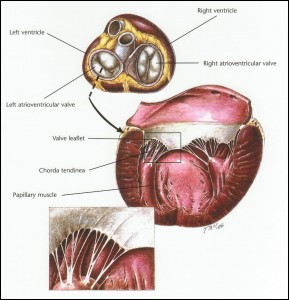
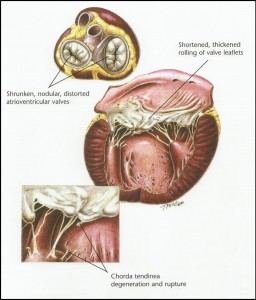
The valves in a normal heart close tightly to only allow blood to flow in one direction. Diseased valves will leak, allowing blood to flow backwards or regurgitate, which may be heard as a heart murmur. Leaky valves change the blood flow dynamics and internal blood pressure in the heart, often causing it to enlarge, which is seen on Xray.

Because the leaky heart valve allows blood to flow backwards, the pumping of the heart becomes less efficient and over time will lead to congestive heart failure. This may take a few months, or it may take several years.

Initially the dog attempts to cope by retaining fluid to increase blood volume. This fluid can gather in the lungs, causing decreased oxygen transfer and a cough.

Patients are often prescribed diuretics (eg frusemide) to reabsorb this fluid, and may be prescribed other medications such as Vetmedin or Fortekor to improve quality of life and extend survival times. Some patients require fluid to be drained, or may require oxygen therapy.

Monitoring your pet for a persistent cough or an increased resting respiratory rate at home is the best way to monitor their heart health in between their regular veterinary check ups.

Mitral Valve disease